Get your free personalized podcast brief
We scan new podcasts and send you the top 5 insights daily.
The balance of power between the US and China is a "Mexican standoff" of mutual vulnerability. Due to globalization, China has significant leverage over manufacturing and rare earth metals, meaning any US economic pressure will be met with painful reciprocation.

Related Insights
For the first time, China's economic power—measured by purchasing power parity, manufacturing output, and control over critical minerals—has shifted the global power balance. This gives President Xi a stronger negotiating position than his U.S. counterpart, as China can now weaponize economic dependencies more effectively.

The strategic competition with China is often viewed through a high-tech military lens, but its true power lies in dominating the low-tech supply chain. China can cripple other economies by simply withholding basic components like nuts, bolts, and screws, proving that industrial basics are a key geopolitical weapon.

China is leveraging its 90% control over rare earth processing not just against the US, but globally. By requiring licenses from any company worldwide, it creates a chokehold on high-tech manufacturing and establishes a new template for economic coercion.
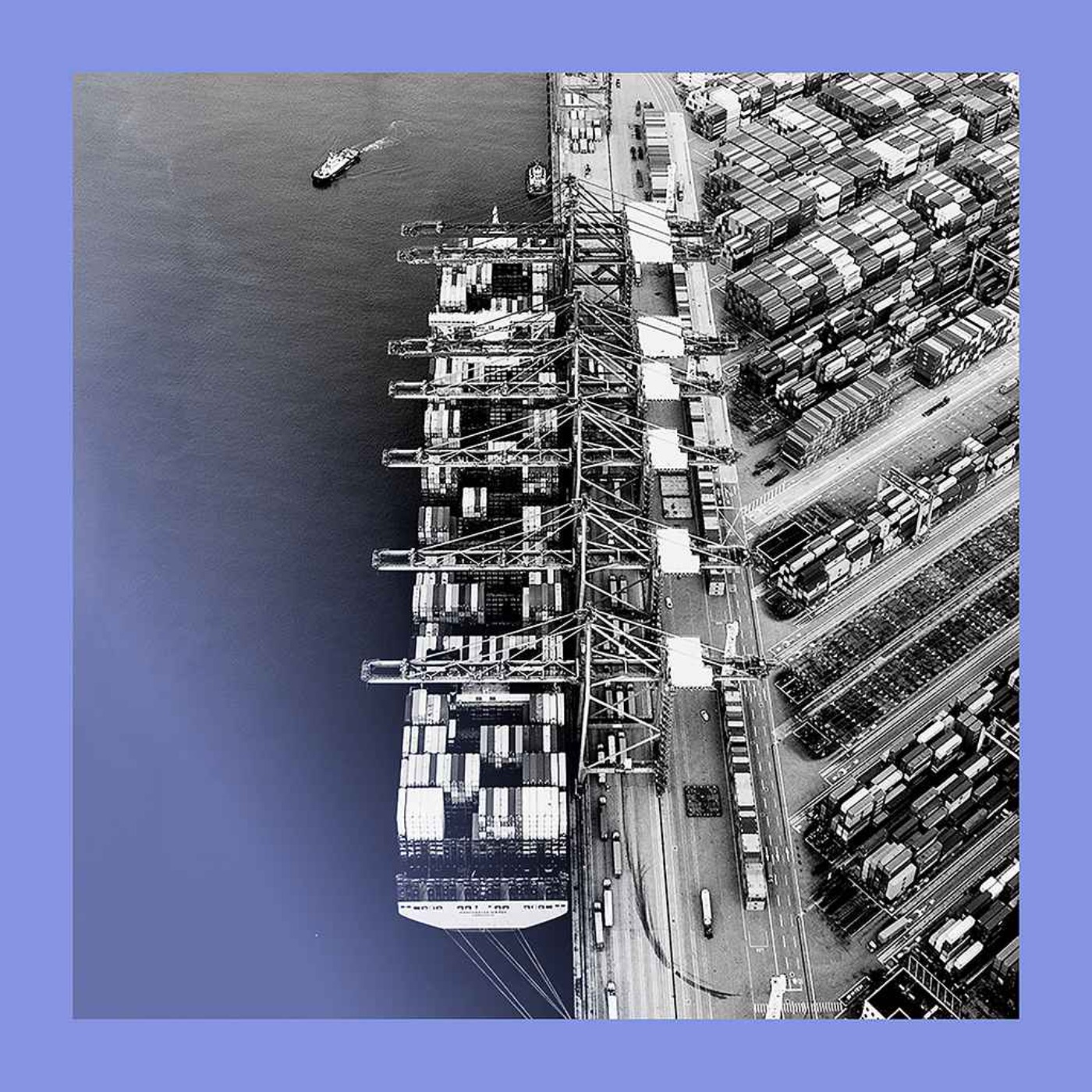
China demonstrated its significant leverage over the U.S. by quickly pressuring the Trump administration through a partial embargo on rare earth metals. This showcased a powerful non-tariff weapon rooted in its control of critical mineral supply chains, which are also vital for defense applications.

A recent showdown demonstrated China's new economic leverage. After the U.S. imposed heavy tariffs, China retaliated by threatening to restrict exports of critical minerals essential for U.S. tech and defense industries. This move successfully forced the White House to back down and significantly lower the tariffs, showcasing a shift in economic power.
For the first time in history, China's leader, Xi Jinping, is negotiating from a position of relative strength compared to the U.S. president. This power shift is driven by China's larger manufacturing base, peer-level technology, and ability to weaponize control over critical economic resources like rare earth minerals.
China's dominance in rare earth and critical mineral supplies, which are vital for US weapons and tech manufacturing, gave President Xi a strategic advantage over President Trump in their recent summit. This economic chokehold shifted the traditional power dynamic between the two nations.
Despite being rivals, the US and China are in weak economic positions where each nation is the only one that can meaningfully help the other. The US is the world's consumer, and China is the world's producer, creating a tense but necessary codependency for economic stability.

Despite escalating rhetoric, the U.S. and China are unlikely to fully decouple their supply chains. Their relationship is maintained by a fragile equilibrium where the U.S. provides semiconductor chips in exchange for China's critical rare earth minerals, making a return to the status quo the most probable outcome.

The latest US-China trade talks signal a shift from unilateral US pressure to a negotiation between equals. China is now effectively using its control over critical exports, like rare earth minerals, as a bargaining chip to compel the U.S. to pause its own restrictions on items like semiconductors.
