Get your free personalized podcast brief
We scan new podcasts and send you the top 5 insights daily.
X (formerly Twitter) is actively trying to win back journalists who left after Elon Musk's takeover. This effort shows the platform's leadership understands that a small percentage of "very important tweeters," often journalists, drives a disproportionate amount of engagement and credible content.

Related Insights
The million-dollar prize for the best article on X is more than a user engagement tactic. It's a clever, inexpensive growth hack to generate a massive corpus of original, long-form content. This data is invaluable for training X's own large language models, like Grok, making the prize a small investment for a significant strategic asset.

The nature of citizen journalism is evolving. Previously focused on passively capturing and observing events, a new wave of creators is actively pursuing investigations and deep dives. This shift is fueled by new monetization paths on platforms like YouTube and X, enabling a sustainable model for independent exposes.

When releasing the "Twitter Files," Musk didn't curate or filter information. He gave investigative journalists direct, unfettered access to Twitter's internal systems, emails, and databases without looking over their shoulders, allowing them to report their findings independently.
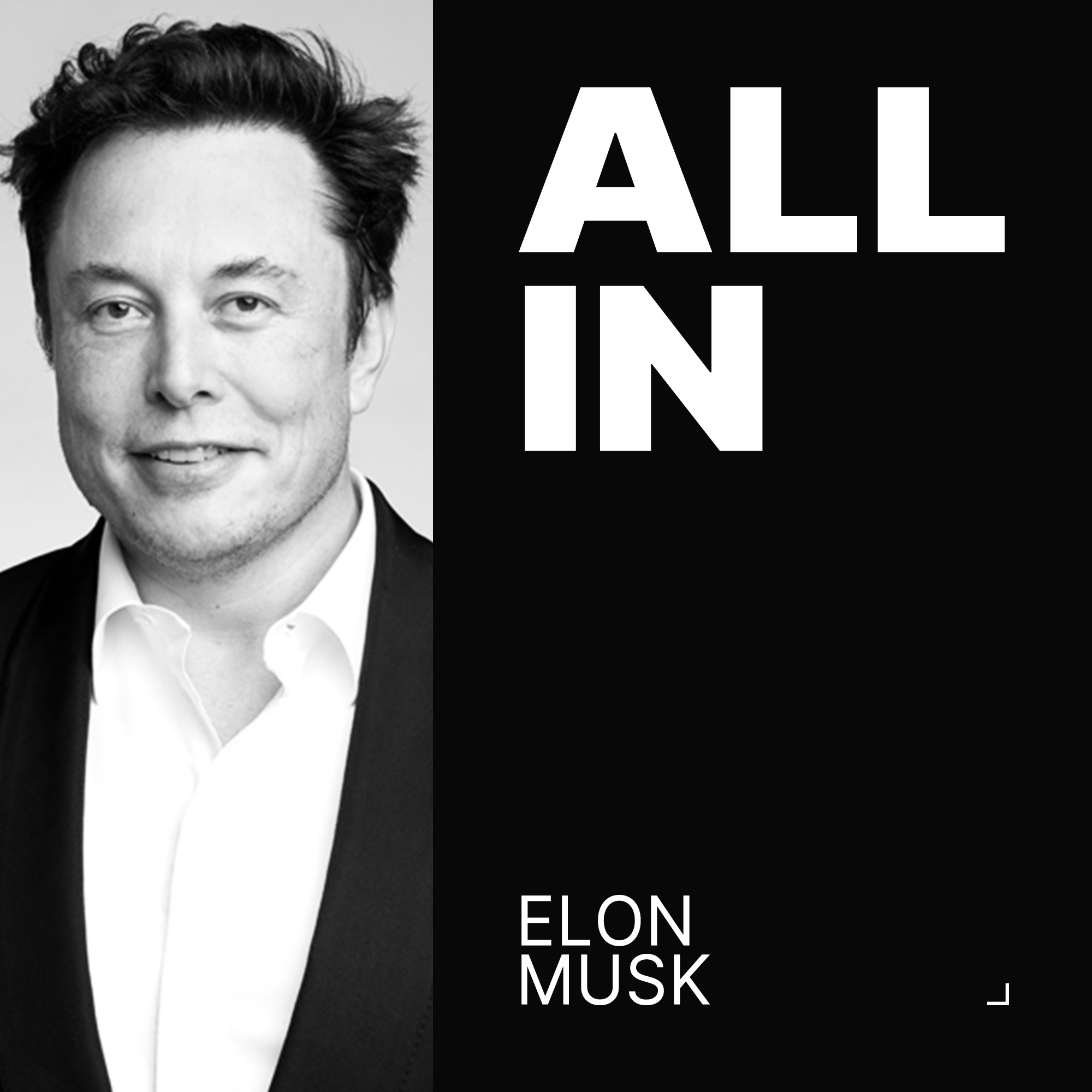
While the internet shifts to video, X's core strength remains its text-based format. This attracts a high-value audience of intellectuals and creators, making it the leading platform for this demographic, according to Elon Musk.

X doesn't need to convince top writers to abandon platforms like Substack. Their goal is to get those writers to cross-post free content onto X, thereby capturing valuable long-form text and user attention without needing to replicate Substack's entire creator-friendly ecosystem.
X doesn't need writers to abandon platforms like Substack. The high-profile contest incentivizes them to cross-post their best free content to X. This strategy enriches X's platform with high-quality, long-form articles, treating it as a distribution channel that funnels attention back to the writers' primary newsletters.

The era of building a follower list like an email list is over. Platforms now use an "interest graph," meaning a post from an account with few followers can go viral if the content is compelling. This shift democratizes reach and prioritizes content quality above all else.

Despite declining viewership, legacy media institutions like The New York Times and Washington Post remain critical because they produce the raw content and shape the narratives that fuel the entire digital ecosystem. They provide the 'coal' that other platforms burn for engagement, giving them unrecognized leverage.
Twitter (X) has historically struggled to capture the value it creates because users treat it as a "watering hole" for news and discussion. This mindset is fundamentally different from Meta's platforms, where users are in a "shopping" frame of mind, making them far more receptive to product ads and e-commerce integrations.
To move beyond simple engagement signals, Elon Musk's X is deploying Grok to read and understand up to 100 million posts per day. The AI will categorize and match content to individual users, a personalization task he says is impossible for humans to perform at scale.