Get your free personalized podcast brief
We scan new podcasts and send you the top 5 insights daily.
To ensure continuous innovation, Honda structured his R&D division so any individual, particularly young engineers, could propose and take responsibility for any research project they wanted to pursue. He believed giving youth opportunity and freedom was essential to progress.

Related Insights
To foster innovation, LEGO co-locates all its designers in Billund, Denmark. This creates a highly concentrated creative hub, supplemented by giving them total creative freedom on dedicated "free-play" days every two weeks to explore new ideas outside of their assigned projects.

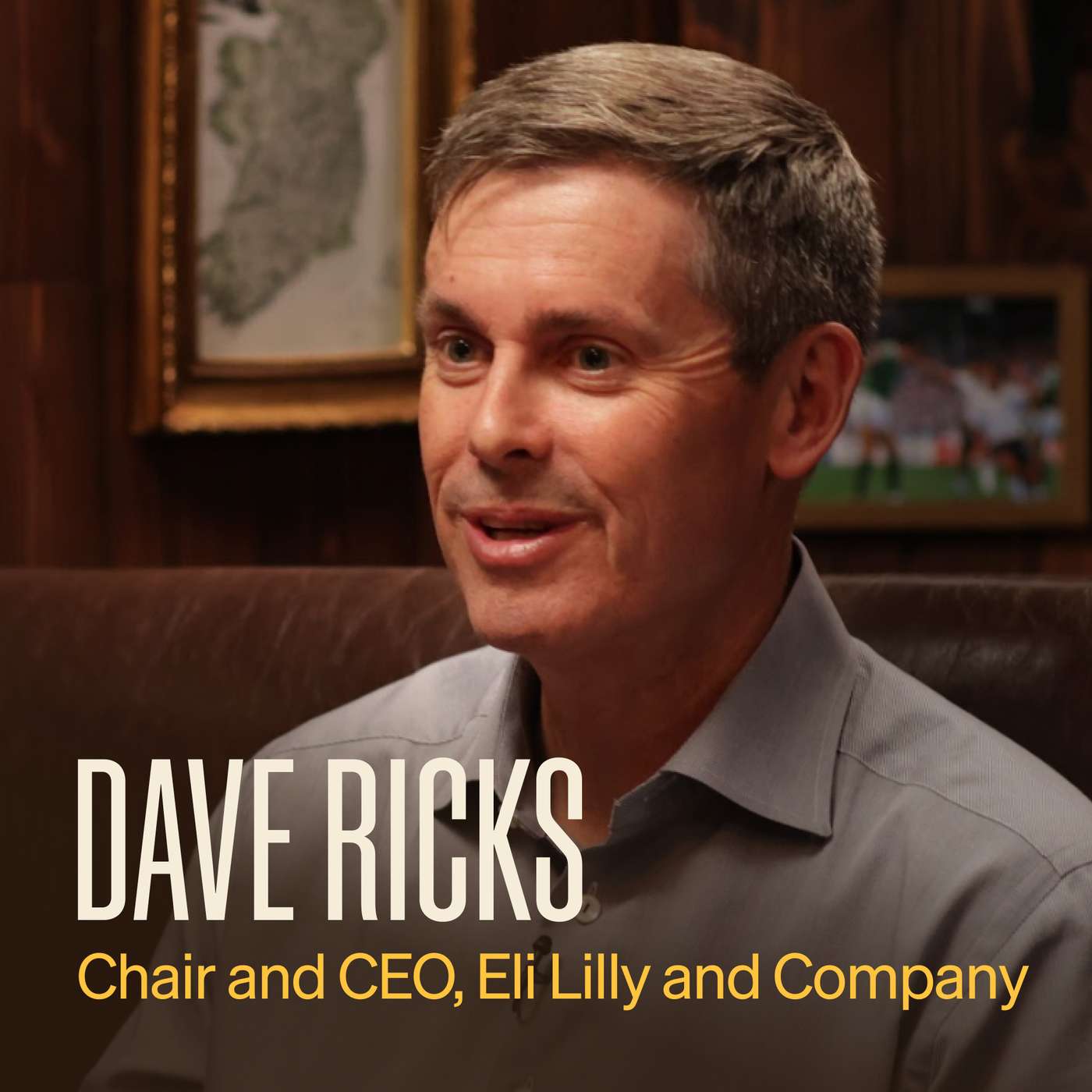
A significant number of Eli Lilly's compelling inventions came from unsanctioned projects. The company intentionally provides budget flexibility and avoids micromanagement at its R&D sites, allowing scientists to pursue their curiosity.
Wozniak firmly believed that revolutionary products are not invented by committees. He advised inventors to work alone, comparing the process to art. This solitary approach, free from corporate bureaucracy and marketing-driven compromises, allows for the creation of truly novel designs without dilution.
![Steve Wozniak: The Engineer Who Built Apple [Outliers] thumbnail](https://megaphone.imgix.net/podcasts/173ae9aa-b91e-11f0-8162-63aad90e354b/image/9e812b450021bae886ac0579c1929769.png?ixlib=rails-4.3.1&max-w=3000&max-h=3000&fit=crop&auto=format,compress)
As a young repairman, Soichiro Honda built his reputation by successfully fixing vehicles that older, more established shops had given up on. This strategy of starting with the hardest problems became a core principle of his company.
Honda created a separate company for R&D, funded by a portion of the parent company's sales. This structure insulated the inherently failure-prone process of research from the profit-and-loss demands of the manufacturing business, fostering true, long-term innovation.
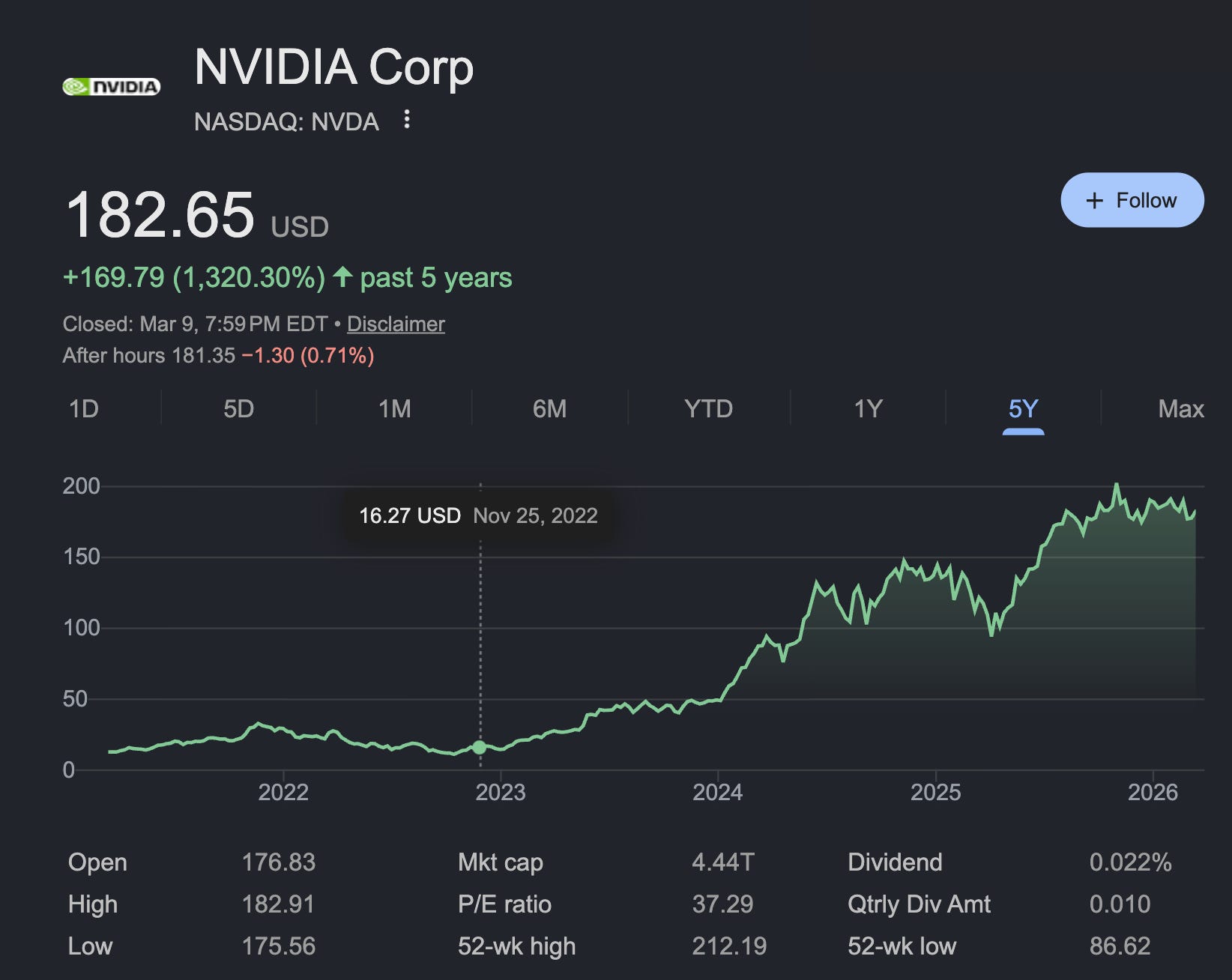
Unlike typical large corporations with rigid roles, NVIDIA encourages a fluid structure where employees can pursue their interests and propose new initiatives. This "pickup basketball" culture allows talent to self-organize around compelling projects, leading to state-of-the-art work across many domains.
Unlike structured, management-driven research, Bell Labs operated on a philosophy of hiring top talent and granting them autonomy. Stroustrup's initial job was simply "do something interesting" and report back in a year on a single sheet of paper, a model that produced breakthroughs like Unix and C++.

While competitors sought government protection from imports, Honda refused. He believed the only path to victory was through superior technology, arguing that high-quality products know no national boundaries and forcing his company to compete at a global standard.
To maintain a culture of innovation, the founder embraces "delusion." When his engineering team says an idea is impossible—like adding red light to a percussive device—he takes it as a sign that they're pushing boundaries and must pursue it. This challenges the team to solve hard problems and creates differentiated products.

Scientists are naturally curious, but their potential is constrained by budgets focused solely on building pre-defined solutions. Allocating resources for R&D to investigate the 'why' behind a user problem unleashes their creativity, leading to multiple innovative solutions and a robust product pipeline.
