Get your free personalized podcast brief
We scan new podcasts and send you the top 5 insights daily.
Honda created a separate company for R&D, funded by a portion of the parent company's sales. This structure insulated the inherently failure-prone process of research from the profit-and-loss demands of the manufacturing business, fostering true, long-term innovation.

Related Insights
To compete with Chinese EV maker BYD, CEO Jim Farley concluded his existing team and processes were inadequate. He formed an independent group with new talent, separate IT systems, and a different philosophy to radically simplify vehicle design and manufacturing.

Startups can successfully pioneer disruptive technologies because their survival depends on it. Unlike large corporations, they don't have a profitable, established business to protect, which often makes incumbents hesitant to cannibalize their own revenue streams with new, potentially loss-making innovations.
![CEO Jean-François Brepson on Scaling a CRO, and Selling to Charles River | E59 [Sponsored] thumbnail](https://d3t3ozftmdmh3i.cloudfront.net/staging/podcast_uploaded_nologo/38602414/38602414-1710163512282-a7c132e056a57.jpg)
To ensure continuous innovation, Honda structured his R&D division so any individual, particularly young engineers, could propose and take responsibility for any research project they wanted to pursue. He believed giving youth opportunity and freedom was essential to progress.
According to Joe Tsai, creating a dedicated "innovation division" in a large company is a flawed strategy. These units fail because the company's core business will always command the best talent and resources, leaving the innovation team isolated and under-resourced. Innovation must be instilled organization-wide.

To overcome academic bureaucracy, LeTourneau University's trustees created RGRD, a separate non-profit corporation. This allows them to be agile, providing money and resources to commercialize promising student ideas without the delays of the traditional university committee structure, effectively fast-tracking innovation.

Rion structures itself as a central "hub" with core technology, then creates separate "spoke" companies for verticals like veterinary or cosmetics. These spokes raise their own targeted capital, allowing Rion to fund platform development without constant dilution at the parent company level and diversifying funding risk.

To compete with agile companies like BYD, Ford established an independent team, free from the company's legacy systems and processes, to develop a new, affordable EV platform. This radical approach was deemed necessary because incremental improvements on existing models would fail against formidable Chinese competition.

By centralizing resources (hub), PureTech can dispassionately kill failing programs and reallocate talent. This structural design counters the powerful emotional and financial pressure to continue that exists when a company's survival is tied to a single drug, as people's livelihoods aren't dependent on one program's success.
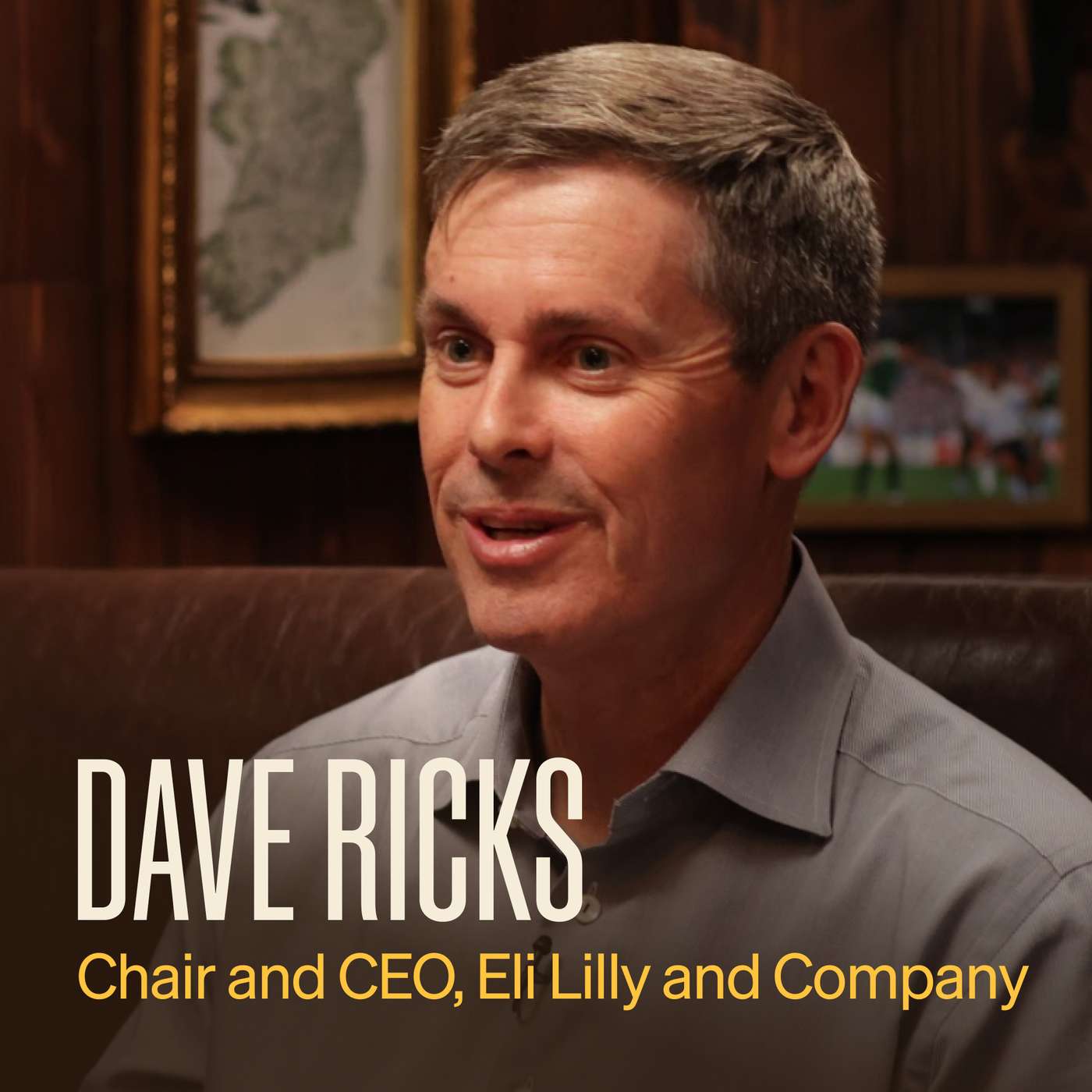
To avoid the pitfalls of scale in R&D, Eli Lilly operates small, focused labs of 300-400 people. These 'internal biotechs' have mission focus and autonomy, while leveraging the parent company's scale for clinical trials and distribution.
Scientists are naturally curious, but their potential is constrained by budgets focused solely on building pre-defined solutions. Allocating resources for R&D to investigate the 'why' behind a user problem unleashes their creativity, leading to multiple innovative solutions and a robust product pipeline.