Get your free personalized podcast brief
We scan new podcasts and send you the top 5 insights daily.
The company's profit-sharing checks are calculated based solely on an employee's longevity. This unique model rewards loyalty and contribution over hierarchical position, meaning a long-tenured grill cook receives a larger bonus than a newly hired executive.

Related Insights
To ensure growth and opportunity, tire mogul Les Schwab mandated that store managers appoint an assistant and give them 10% of the profits. To enforce this, he decreased the profit share for any manager who failed to develop and promote their top employees.

To enforce its long-term philosophy, Capital Group makes an analyst's eight-year performance the largest component of their bonus. This structural incentive discourages short-term, reactive decision-making and aligns behavior with the firm's core strategy.

P. Terry's uses the "Maggie Rule" to vet decisions, asking: "Does this disrespect Maggie?"—a 21-year veteran grill cook. This simple heuristic ensures leadership actions, like office perks, always honor and support their most tenured front-line staff, preventing a disconnect between corporate and store employees.
To attract executives without the lure of a quick liquidity event, Maloa offers equity to top management and robust annual bonus programs tied to company success. This structure appeals to leaders who value stability and sustainable growth over a potentially destructive, high-risk sale.

Robinhood intentionally decouples compensation from an employee's org size. This counters the typical corporate incentive for 'empire building.' By disproportionately rewarding people who achieve high impact with the smallest possible team, they foster a culture of lean efficiency and focus.

To make culture tangible, it must be a core component of performance management. Plaid evaluates who gets promoted, raises, or more equity based not only on results but also on their contribution to and enhancement of the company culture.

Structuring compensation around a single, firm-wide P&L, rather than individual deal performance, eliminates internal competition. It forces a culture of true collaboration, as everyone's success is tied together. The system is maintained as a meritocracy by removing underperformers from the 'boat.'
![Martín Escobari - Inside General Atlantic - [Invest Like the Best, EP.449] thumbnail](https://megaphone.imgix.net/podcasts/90e6e3e6-c984-11f0-ae5f-27bb851bdc56/image/608fac468f77cb3014e96336896d96de.jpg?ixlib=rails-4.3.1&max-w=3000&max-h=3000&fit=crop&auto=format,compress)
To enforce its long-term philosophy, the largest component of a portfolio manager's bonus at Capital Group is their 8-year performance record, while one-year results are the smallest factor. This structure insulates managers from short-term market pressures and gives them the necessary "time to be right" on their convictions.
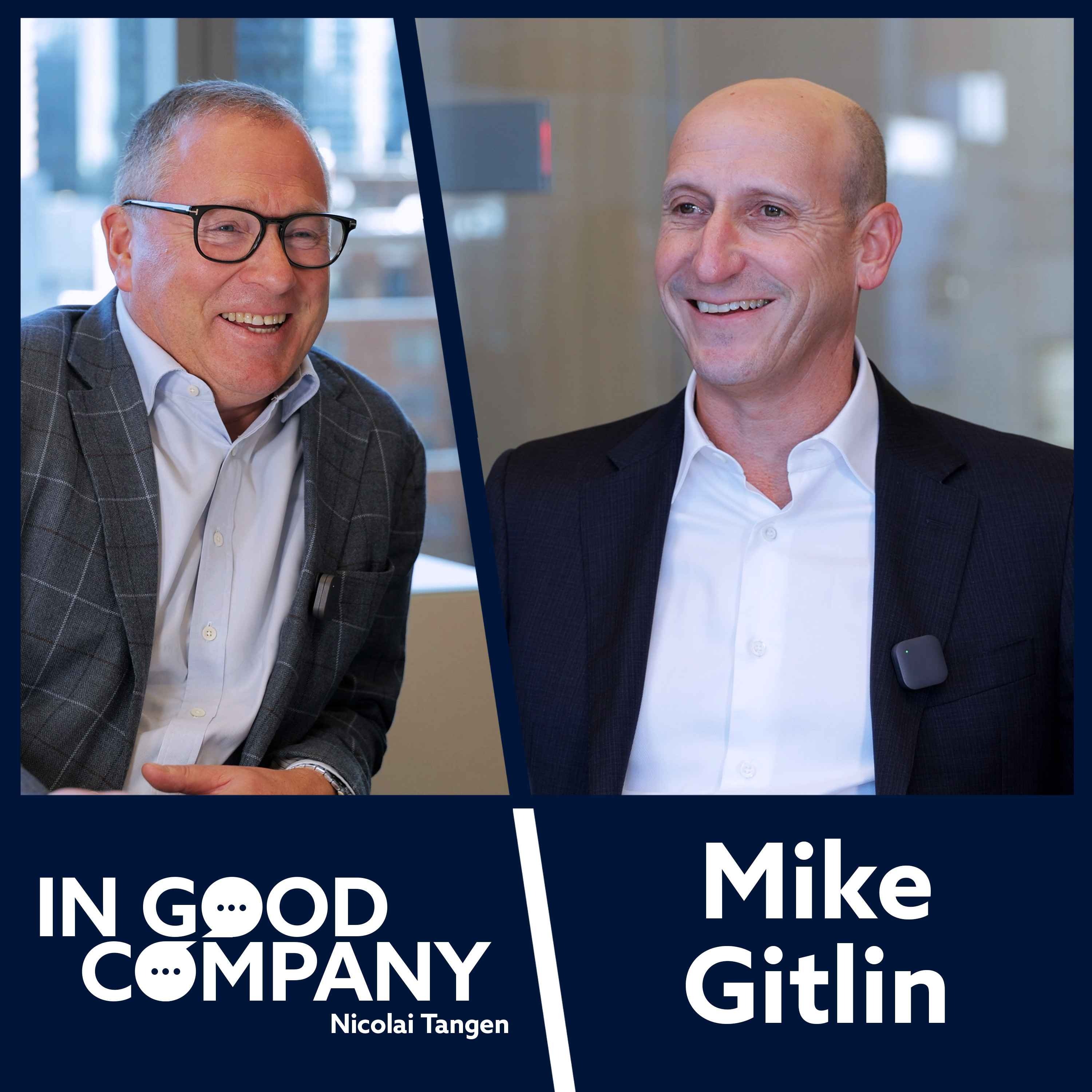
Triton rejects a hierarchy where only deal-makers are partners. They extend partnership and carried interest to functions like Investor Relations and operational units. This fosters an egalitarian "one team" culture and ensures long-term alignment, recognizing these functions are strategic, not administrative.

To ensure long-term thinking, Hillpointe's development teams are primarily incentivized with a share of the fund's overall profit. This structure discourages pushing through bad deals just to earn a closing bonus, aligning the acquisition team's interests with the long-term success of the investment.