Get your free personalized podcast brief
We scan new podcasts and send you the top 5 insights daily.
Symbiotica's founder draws inspiration not from competitors but from Chanel. She admires its core mission of female empowerment and timelessness, using these attributes as a guiding 'muse' for her wellness brand, despite the vast category difference.
Related Insights
Inspiration for brand execution can come from entirely different product categories. The Gruuns founder modeled his company after Dr. Squatch, aiming to replicate their success in making a mundane category (soap) fun and relatable, but within the often intimidating supplement industry.

Jeni Britton launched Flora, a fiber company, seeing it as an extension of her ice cream brand's mission: "making people feel better." This shows how a founder's core purpose can transcend product categories, linking indulgent treats to functional health foods.

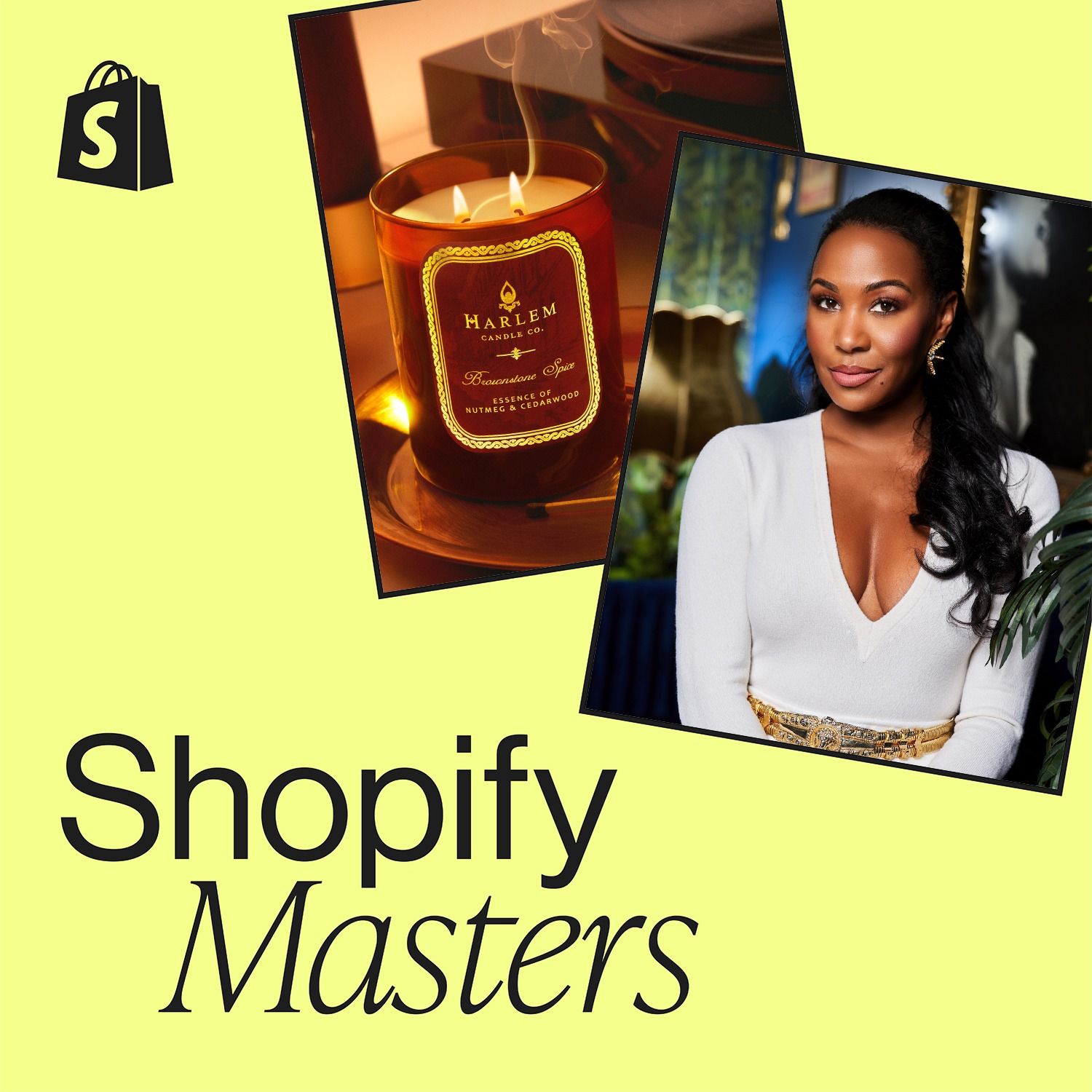
To stand out in the saturated candle market, founder Terry Johnson drew from her personal passion for the Harlem Renaissance, inspired by her time studying in Paris. This authentic connection to a specific cultural history gave the brand a unique “soul” that resonated deeply with customers.
Bender establishes a brand's unique perspective—its "world," beliefs, and codes—as the foundation. This core identity then naturally dictates product development and community engagement, rather than being an afterthought. This approach ensures authenticity and a deeper consumer connection from day one.
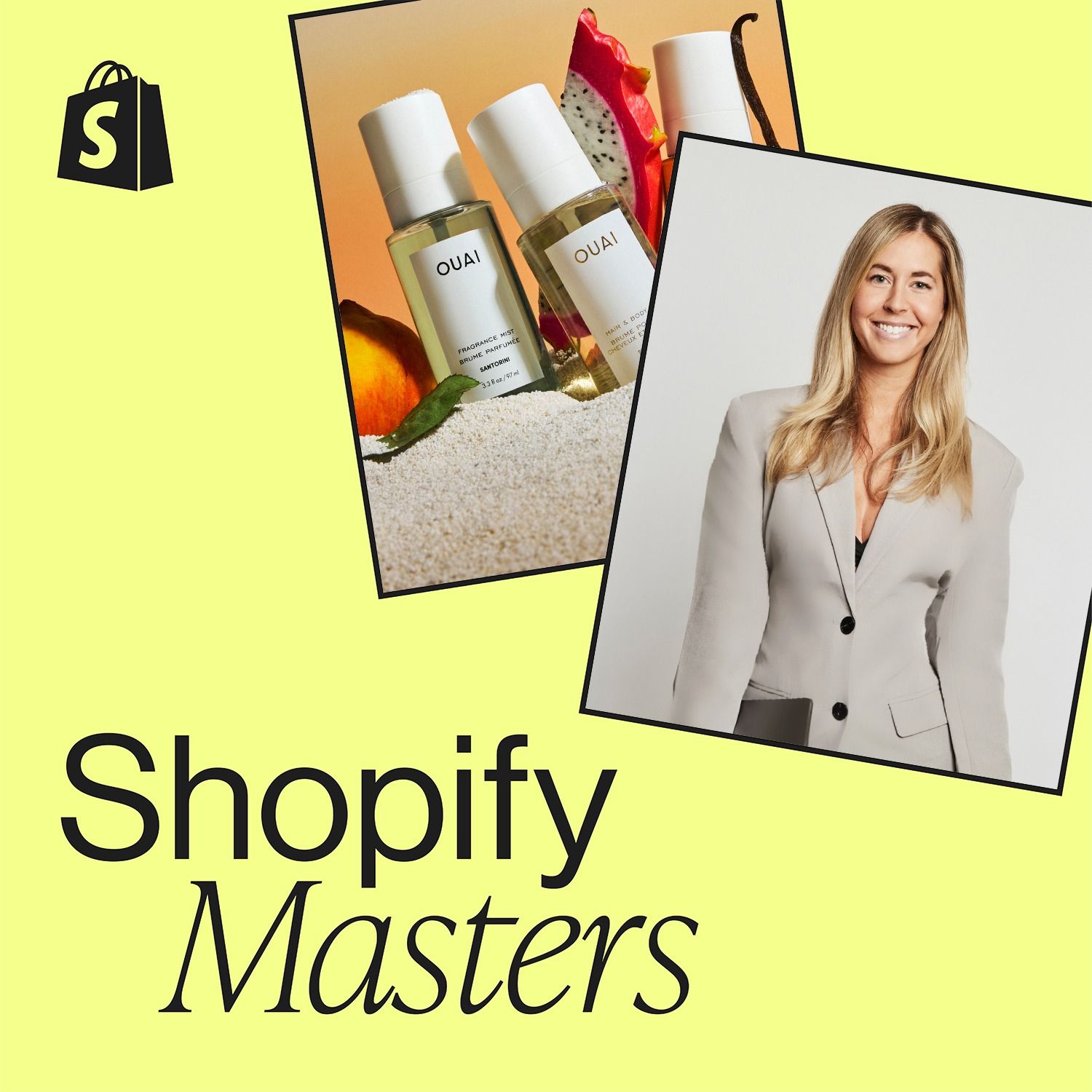
Way's future CEO joined the scrappy startup not for the haircare, but because founder Jen Atkin had a brand vision that transcended the category, drawing inspiration from Range Rover and New Balance. This shows that a powerful, category-agnostic brand identity is a primary tool for attracting key early-stage talent.
Product inspiration can come from unexpected places. On Running's CPO points to the perfume industry's ability to sell an intangible feeling through packaging and branding as a key lesson in creating an emotional connection with consumers, even for highly functional products like running shoes.

Ulta's move into wellness wasn't a guess. They saw social media posts where customers described beauty acts (like hair masks) as wellness and listed wellness items (like vitamins) as beauty regimens. This customer-led insight gave them confidence to invest in the new category.
The era of simply 'slapping a celebrity face' on a product is over. Modern consumers demand authenticity. Successful brands like Fenty and Rare Beauty thrive because their founders are deeply involved, knowledgeable about the products, and genuinely connected to a larger mission, such as inclusivity or mental health.

The brand rejects a marketing-driven approach of finding a market gap and building a product. Instead, like a fashion house, they create what they are inspired to make, focusing on beauty and story first. The creativity itself is the driver, not a strategic response to market data.

While competing DTC beauty brands followed a repetitive influencer-driven playbook, Salt & Stone's founder drew inspiration from legacy lifestyle brands like Nike. This cross-industry approach informed a different brand strategy, allowing them to break through the noise with a unique aesthetic and feel in a crowded market.