Get your free personalized podcast brief
We scan new podcasts and send you the top 5 insights daily.
Instead of a siloed advisory board, Axon's ethics council—comprised of academics and activists—is embedded directly with product managers. This makes ethical considerations an upfront design input and proactive part of the development lifecycle, rather than a final compliance check, shaping products from their inception.

Related Insights
Effective AI governance starts with an "AI Council" composed of passionate users, IT, legal, and operations staff. Unlike a top-down "Center of Excellence" that dictates rules, this council's primary role is to create enabling policies and guidelines that empower grassroots adoption and safe experimentation across the organization.

As AI lowers the barrier to building, product teams spend less time on execution ('how') and more on strategy and ethics ('should we'). This shift elevates the conversation to focus on consequences, bias, and building the right thing, making product taste a shared responsibility across the entire team.

Instead of reacting to unsanctioned tool usage, forward-thinking organizations create formal AI councils. These cross-functional groups (risk, privacy, IT, business lines) establish a proactive process for dialogue and evaluation, addressing governance issues before tools become deeply embedded.

Product development is not a neutral activity. Your personal values, viewpoints, and biases are inherently built into the products you create. This makes having teams representative of the user base critical for building ethical and accessible products.

Responsible design requires considering societal impact. A "bad headlines" workshop is a practical tool where teams brainstorm the worst possible news headline if their AI feature fails or is misused. This creative exercise effectively surfaces potential harms and helps teams decide whether to proceed, pivot, or pull back on a project.

To implement a cohesive AI strategy in a large organization, avoid siloed decision-making. Instead, empower a dedicated leadership pod (Product, Engineering, AI) to own the end-to-end vision. This prevents features from being diluted into a 'lowest common denominator' by committee.

To maintain high velocity, Robinhood integrates legal and compliance partners into product development from the very beginning. By making them co-owners of the product vision, they become creative problem-solvers rather than end-stage blockers, which is crucial for shipping quickly in a regulated industry.

In the divisive public safety market, Axon's philosophy is not to impose its own policy views. Instead, its product teams focus on creating flexible tools with the right "knobs and dials." This empowers individual police departments to implement policies appropriate for their specific communities, making the product adaptable and widely adoptable.
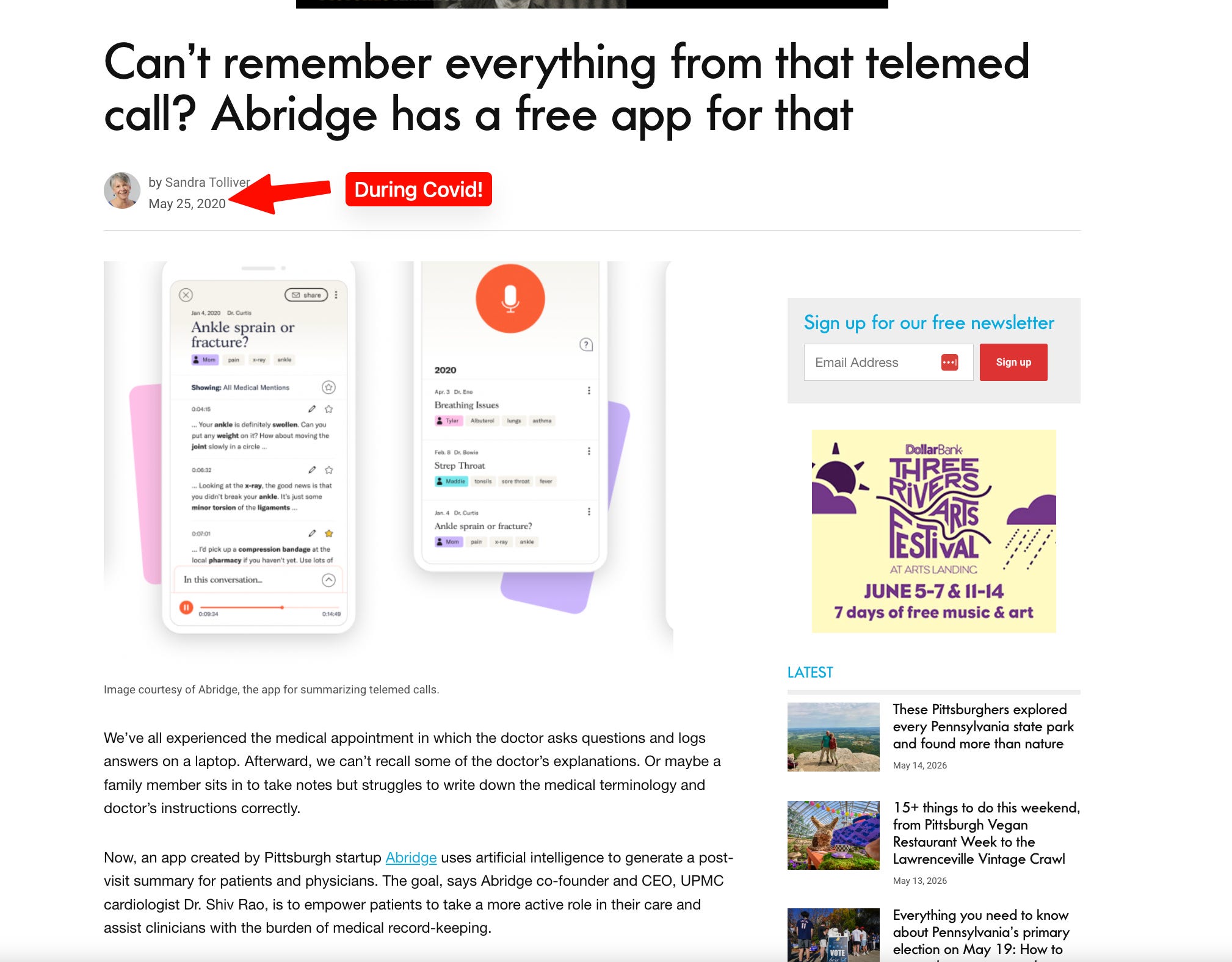
Abridge's secret weapon for building clinically relevant products is the "clinician scientist" role. These are team members with clinical backgrounds (e.g., MDs) who are also deeply technical. By embedding them in product teams, the company ensures that clinical usefulness and safety are baked into development and evaluation from day one.
Instead of a top-down product strategy, Anthropic operates like a research lab where those closest to AI's emergent behaviors—often engineers or even finance staff—are empowered to ideate and drive new products. Leadership's role is to facilitate this bottom-up discovery.