Get your free personalized podcast brief
We scan new podcasts and send you the top 5 insights daily.
While competitors offered limited options, My Two Brows embraced the operational complexity of 275 SKUs. The founder recognized the high inventory requirement was a significant barrier to entry for others, turning a logistical challenge into a key differentiator and a sustainable competitive advantage.

Related Insights
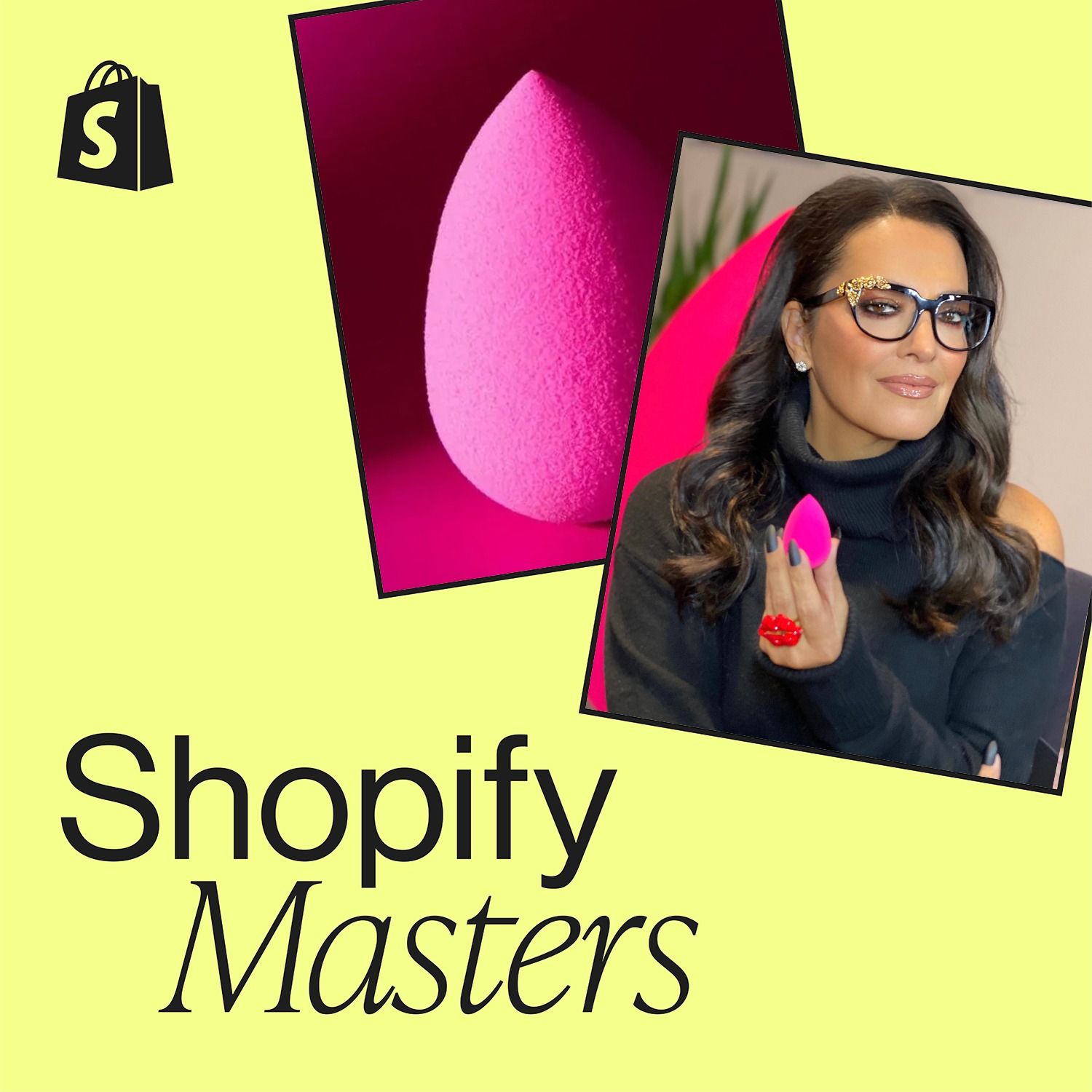
Unlike makeup brands with hundreds of SKUs, Beauty Blender launched with just one product. This simplicity made inventory management, financial commitments, and scaling into thousands of retail doors significantly easier and less capital-intensive for the self-funded company.
Physical products are easily copied. While patents help, brand is the most durable competitive moat. A strong brand lowers acquisition costs, increases lifetime value, and commands premium pricing—advantages that copycats cannot replicate, even if they perfectly clone the product.

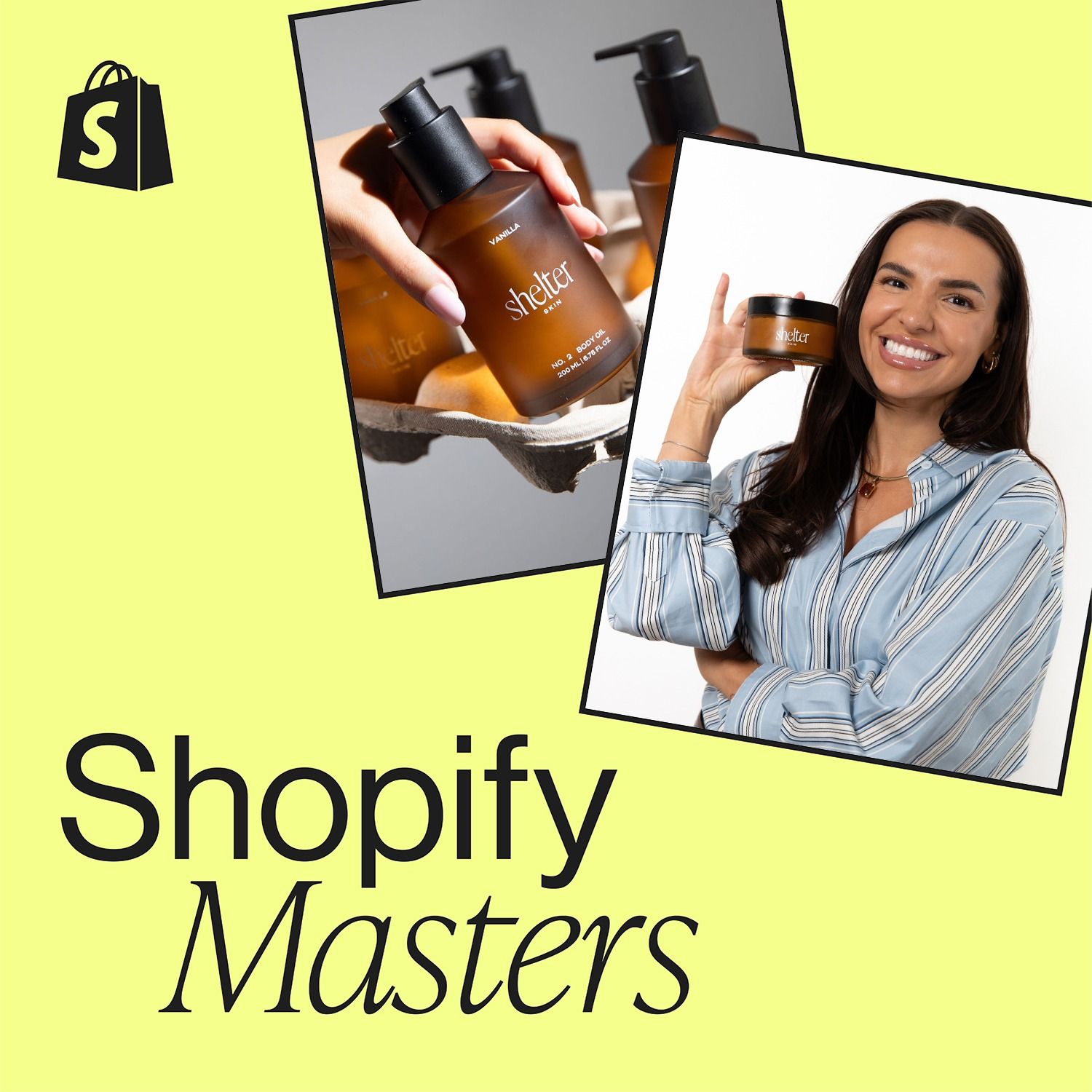
Founder Catherine Lockhart isn't afraid of copycats. She shares her manufacturing process openly, believing the sheer difficulty of execution is a sufficient barrier to entry. This radical transparency builds customer trust and turns potential trade secrets into a powerful marketing asset.
Adopting a unique, complex, and more expensive packaging format (the "Bottle Can") required a three-year mission to bring to market. This difficulty created a competitive advantage that competitors couldn't easily replicate, ultimately doubling the rate of sale.

Persisting with a difficult, authentic, and more expensive production process, like using fresh ingredients instead of flavorings, is not a liability. It is the very thing that builds a long-term competitive advantage and a defensible brand story that copycats cannot easily replicate.

Unlike D2C competitors who are primarily marketers that outsource production, Spot & Tango vertically integrated by building its own factory. This contrarian move created a strong competitive moat through proprietary processes, quality control, and supply chain ownership.

The business-changing insight to create a product line came from an actress who needed a way for her makeup artist to maintain her eyebrows for a six-month film shoot. This specific, high-stakes problem forced the creation of a replicable kit, directly leading to the scalable product business.

The primary purpose of a low-end product isn't just to capture budget-conscious customers. It serves a strategic defensive role, blocking new competitors from gaining a foothold at the bottom of the market and then moving up to challenge premium, high-margin products.

Promote IQ succeeded by targeting large retailers, a market other startups avoided due to its notoriously difficult and long sales cycle. They turned this pain point into a strategic advantage. By mastering the difficult sales process, they created a high barrier to entry that gave them time and space to dominate the category before competitors could catch up.

Jason Burnt deliberately avoids the larger cosmetic eyebrow market, instead expanding his product line *within* his core niche of medical hair loss (e.g., for sparse brows). This "inch wide, a mile deep" strategy strengthens his brand and avoids diluting his core message to his target audience.