Get your free personalized podcast brief
We scan new podcasts and send you the top 5 insights daily.
Protesters and returning veterans adopted the military-issue field jacket during the Vietnam War. By adorning it with peace signs and patches, they co-opted a symbol of the military establishment and transformed it into a powerful icon of the anti-war movement.

Related Insights
The academic theory behind 'people-powered' civil resistance has military origins. Seminal research by figures like Gene Sharp was directly funded with $50 million from the Pentagon's psychological operations unit to develop methods for bottom-up, state-sponsored coups under the guise of grassroots movements.

Waving a national flag is a direct political act with serious risks in authoritarian countries. Activists are instead using pop culture symbols, like the pirate flag from the anime 'One Piece', to protest. This makes their message more ambiguous, providing a layer of plausible deniability to dodge censorship and reduce personal risk.
A war film often functions as a cultural artifact of its own time. The sensibilities, anxieties, and political climate of the generation producing the film heavily influence its narrative and tone, telling us as much about the present as it does about the historical conflict being portrayed.

The saxophone's association with jazz and Black American culture led to it being banned by the Nazis, the Soviet Union, and the Vatican. This "forbidden" status did not diminish its power; instead, the controversy cemented its cultural identity as a symbol of revolution and counter-culture.

The need to liquidate millions of overproduced M43 jackets after WWII created the modern surplus industry. These stores made scientifically tested, high-performance clothing available to everyone, effectively becoming the "Walmart before Walmart" for functional apparel.
Brands like Buck Mason build their "timeless" collections by meticulously replicating vintage military garments, from field jackets to pants. This military archive subconsciously influences the entire menswear industry, defining what we consider classic style and creating a shared design language.
In Hong Kong, the public defense of bamboo scaffolding after a tragic fire became a safe, indirect way to protest perceived cultural erasure by Beijing. This coded speech allows citizens to voice dissent on sensitive political topics without directly violating strict national security laws.
The US military's intensive research for a single "perfect jacket" concluded that no such thing exists. The real breakthrough was a modular system of layers—a liner, a shell, and a parka—that could be adapted to any environment, revolutionizing apparel design.
An object's historical significance isn't fixed by its creator's intent. As shown with the "blueback speller," oppressed groups can transform common items into instruments of resistance and intellectual freedom, revealing a hidden history of agency and resilience that official narratives often miss.

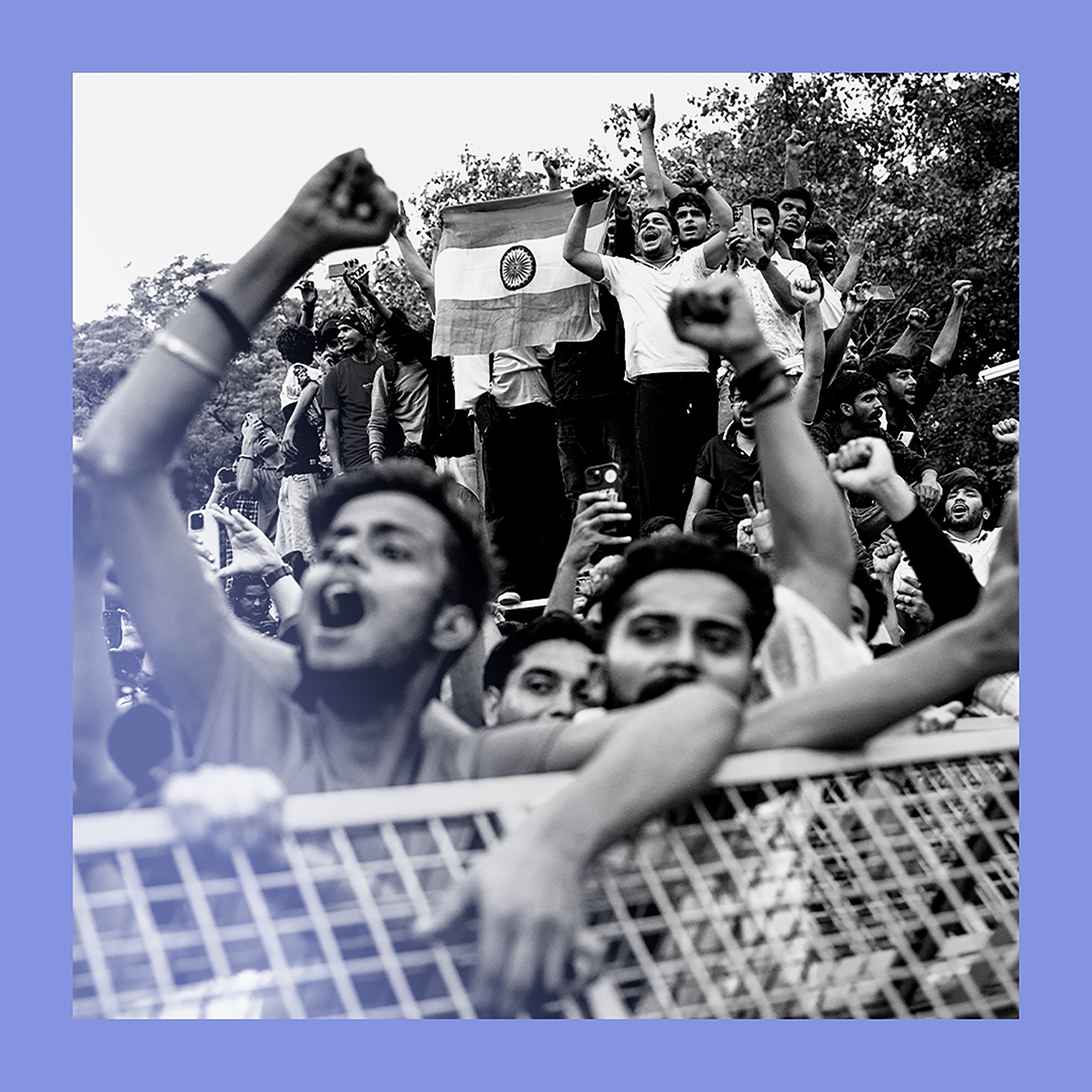
Facing a government that habitually brands critics as "anti-national," Indian youth protesters strategically employed patriotic symbols, such as clutching copies of the constitution and dressing as Gandhi. This tactic reframes their dissent as a patriotic duty to defend the country's future, making it significantly harder for authorities to discredit or suppress the movement.