Get your free personalized podcast brief
We scan new podcasts and send you the top 5 insights daily.
To get a meeting back on track without alienating a participant, use strategic paraphrasing. Acknowledge a valuable part of their comment, restate it, and then explicitly link it to the next agenda item. This validates their contribution while smoothly redirecting the conversation.
Related Insights
To contribute to a fast-moving discussion without being rude, use a 'wedging' technique. You can ask a clarifying question, paraphrase a recent point to show you're engaged before adding your view, or state an emotion like 'I'm concerned about...' to capture attention and create an opening.
Effective dialogue in difficult conversations requires more than just listening. You must actively paraphrase the other person's perspective back to them for their confirmation. Only after they agree with your summary should you advocate for your own position.
Instead of listing vague topics like "team discussion," structure each agenda item with a verb and a noun (e.g., "Decide Q4 budget," "Align on launch strategy"). This simple framing forces clarity on the desired outcome for each item and helps determine if it even requires a synchronous meeting.
Navigate disagreements with a four-step method: use uncertain language (Hedge), find common ground (Emphasize Agreement), demonstrate what you heard (Acknowledge), and frame points positively instead of negatively (Reframe). This prevents conversations from spiraling into negativity.
In tense executive meetings, this simple verbal tool can de-escalate conflict. By starting with two points of agreement ("I like...") before posing a question ("I wonder if..."), you validate the other person, lower defensiveness, and create space for alternative ideas.
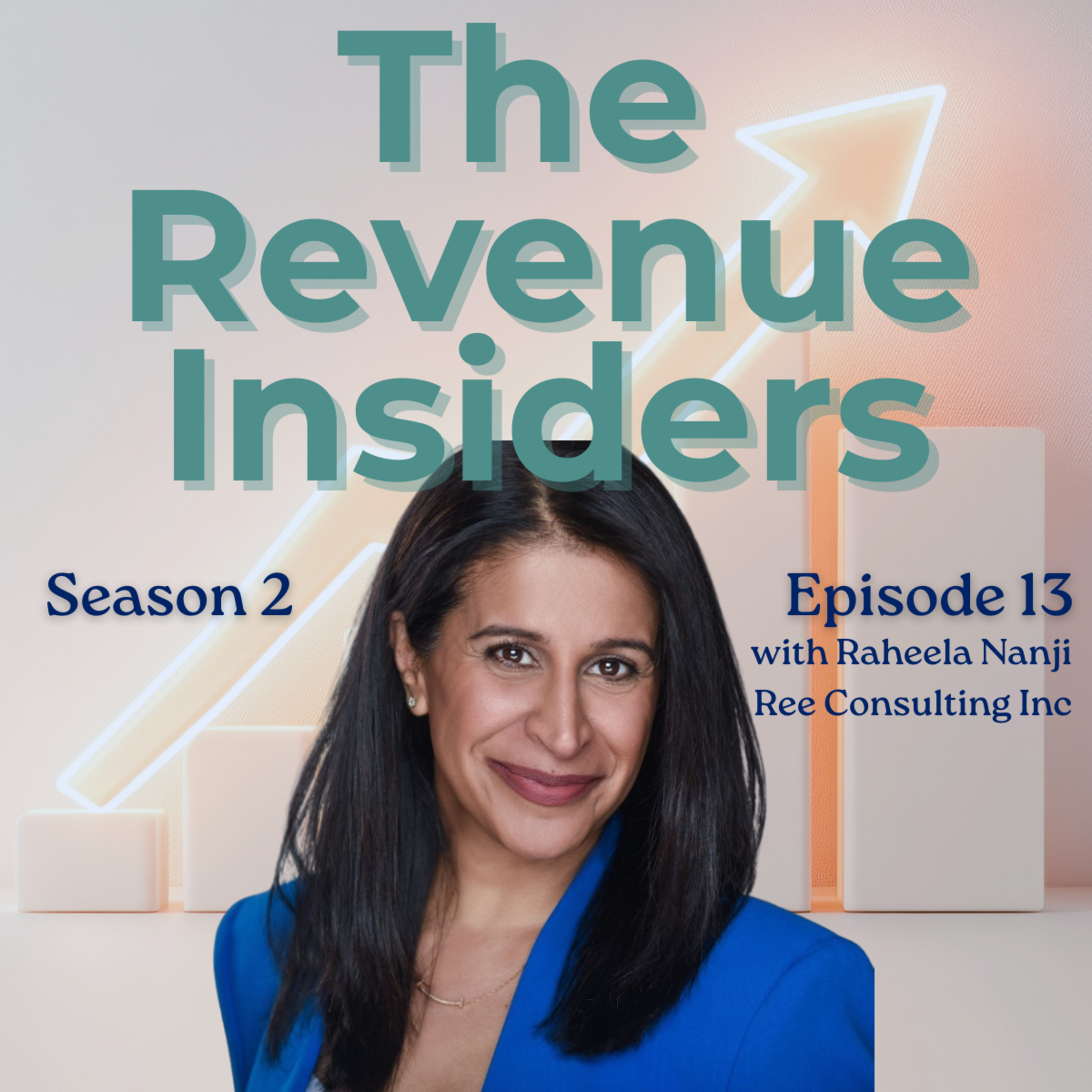
The most effective meeting leaders act less like passive moderators and more like orchestra conductors. Their primary job is to actively manage the room's energy—drawing out quieter voices and tempering louder ones—to ensure every participant contributes harmoniously to a productive session.

To prevent meetings from going off-track and to reduce anxiety, use a three-step framework. First, state exactly what you want to talk about. Second, define the desired outcome. Third, get the other person's explicit agreement to proceed. This creates a clear, shared path for the conversation.

A three-step technique to ensure you truly understand someone: ask a question, repeat their answer back in your own words, and then ask for confirmation. This process makes the other person feel deeply heard, which is critical for connection and de-escalation.

To slow down a heated or fast-paced conversation, avoid telling the other person to calm down. Instead, validate their emotional state by acknowledging it directly, e.g., 'I hear you have a lot of passion here.' This meta-commentary creates space and can de-escalate the intensity without being confrontational.
To prevent conflict from becoming personal or chaotic, first, explicitly state the disagreement out loud. Then, assign individuals to argue each side to ensure all perspectives are fully explored. This depersonalizes the debate and focuses it on the problem, not the people involved.
