Get your free personalized podcast brief
We scan new podcasts and send you the top 5 insights daily.
To familiarize engineers with agentic coding workflows, Brex created a new interview process that requires AI tool usage. They then had every current engineer and manager complete the interview, forcing hands-on experience and revealing skill gaps in a practical setting.

Related Insights
The biggest resistance to adopting AI coding tools in large companies isn't security or technical limitations, but the challenge of teaching teams new workflows. Success requires not just providing the tool, but actively training people to change their daily habits to leverage it effectively.

Dr. Fei-Fei Li states she won't hire any software engineer who doesn't embrace AI collaborative tools. This isn't about the tools' perfection, but what their adoption signals: a candidate's open-mindedness, ability to grow with new toolkits, and potential to "superpower" their own work.

To ensure AI adoption is a core competency, formally integrate it into your team's operating system. Webflow is redoing its career ladder to make AI fluency a requirement for advancement, expecting team members not just to use tools but to lead, own, and push the boundaries of AI in their work.

Brex structures its AI teams into small pods, combining young, AI-native talent who think differently with experienced staff engineers who understand the existing codebase, product, and customer needs. This blends novel approaches with practical execution.
To build an AI-native team, shift the hiring process from reviewing resumes to evaluating portfolios of work. Ask candidates to demonstrate what they've built with AI, their favorite prompt techniques, and apps they wish they could create. This reveals practical skill over credentialism.

To accelerate company-wide skill development, Shopify's CEO mandated that learning and utilizing AI become a formal component of employee performance evaluations. This top-down directive ensured rapid, broad adoption and transformed the company's culture to be 'AI forward,' giving them a competitive edge.

Recognizing that providing tools is insufficient, LinkedIn is making "AI agency and fluency" a core part of its performance evaluation and calibration process. This formalizes the expectation that employees must actively use AI tools to succeed, moving adoption from voluntary to a career necessity.

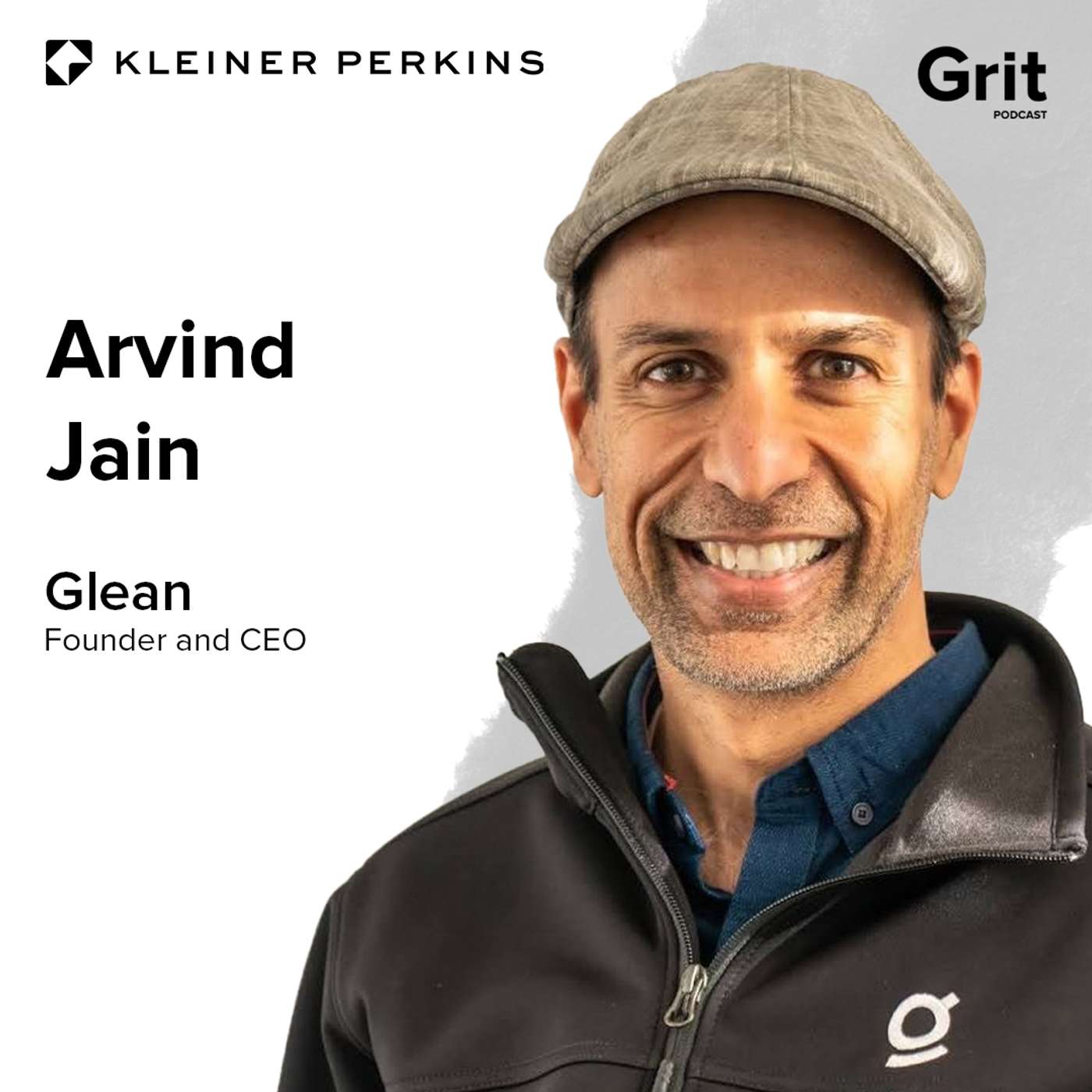
Glean has updated its interview process to screen for "AI fluency" across all departments. They don't expect expertise. Instead, they test for curiosity and initiative by asking candidates how they've personally used AI, looking for a mindset that embraces new ways of working.
Since AI assistants make it easy for candidates to complete take-home coding exercises, simply evaluating the final product is no longer an effective screening method. The new best practice is to require candidates to build with AI and then explain their thought process, revealing their true engineering and problem-solving skills.

Traditional hiring assessments that ban modern tools are obsolete. A better approach is to give candidates access to AI tools and ask them to complete a complex task in an hour. This tests their ability to leverage technology for productivity, not their ability to memorize information.