Get your free personalized podcast brief
We scan new podcasts and send you the top 5 insights daily.
Local service businesses can create a nationally shippable product (like a vase for a florist) to justify a presence on live shopping platforms. This broadens their audience, allowing them to capture local customers who discover them through the national broadcast while also selling the shippable item.

Related Insights
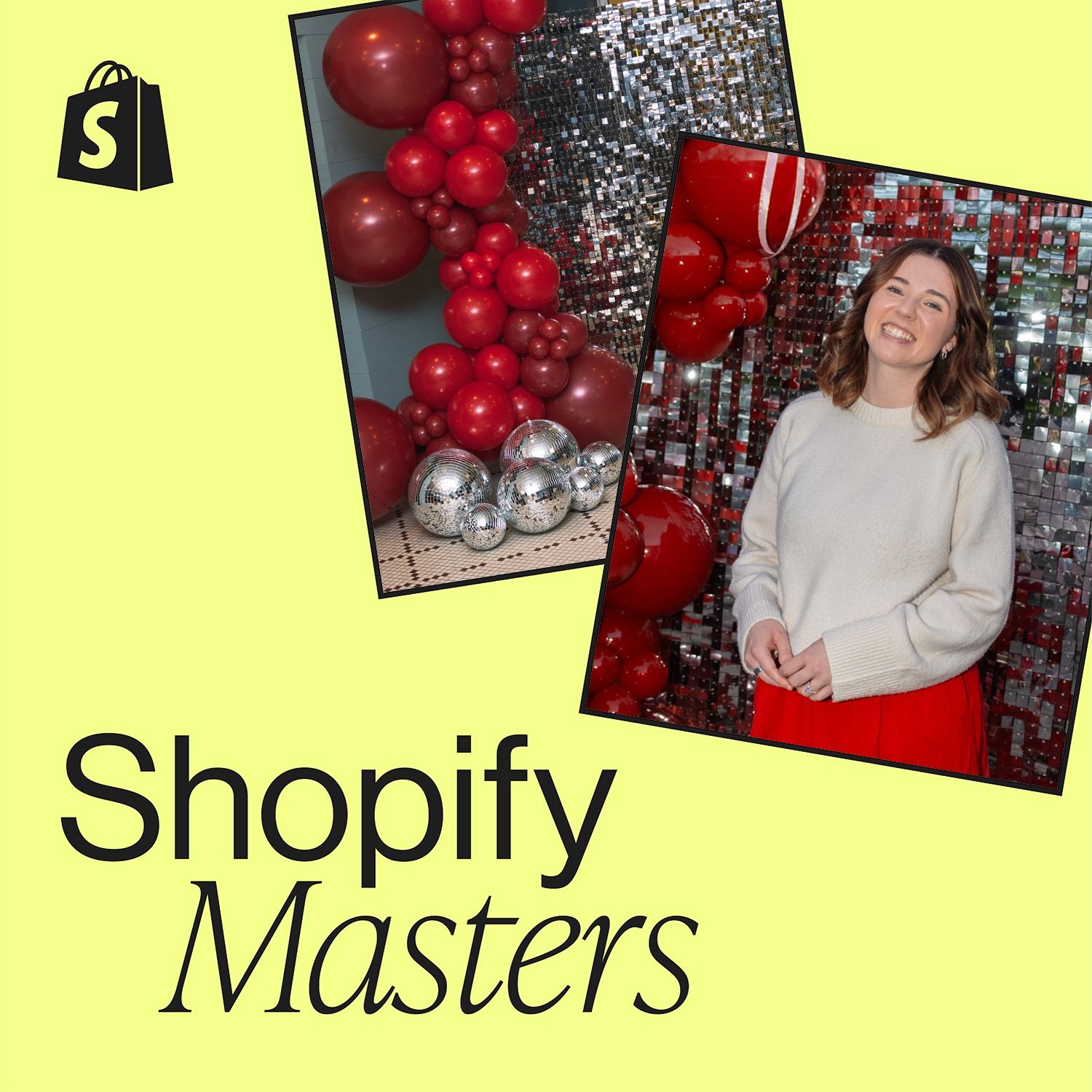
The company strategically pairs its high-visibility balloon installation service with a scalable DIY e-commerce product. The visually impressive installations generate a constant stream of social media content that directly markets and drives sales for the online kits, creating a powerful growth loop.
A local service business, like pest control, can attract clients by creating helpful YouTube videos that solve a common problem. When a local resident searches for a DIY solution, YouTube's algorithm often surfaces videos from nearby creators, turning an informational search into a direct business lead.
For individuals looking to generate income online, one of the most significant and underutilized opportunities is live social shopping on platforms like Whatnot and TikTok Shop. This format combines entertainment with e-commerce, allowing for direct monetization. It's particularly effective for those skilled at selling and can be started by flipping items from thrift stores or garage sales.
Instead of competing against the "buy local" trend, Amazon could incorporate it into its platform. By adding a "buy local" button that uses AI to source products from nearby stores, Amazon could generate revenue from local delivery or referral fees, turning a major point of criticism into a new business opportunity.

Businesses are sleeping on live shopping via social media, yet early adopters are already generating millions of dollars per month. It is a direct, high-conversion sales channel that is poised to become mainstream.
All major social platforms will be forced to integrate live shopping to compete, just as they all adopted 'stories'. This is a fundamental shift in consumer behavior, not a fleeting trend. In China, 30% of all e-commerce transactions already happen via live shopping, indicating its massive scale and inevitability in the West.
Brands can host multi-hour live stream sales events, mimicking the scarcity-driven format of QVC. By having influencers demonstrate products and announce real-time stock updates ('Only 10 left!'), companies create a fun, interactive, and urgent buying environment that drives significant sales in a short window.

Even with a geographically-limited service, live streaming to a national audience is valuable. It leverages the "small world" effect; a viewer in another state might have a relative in your service area. This creates an opportunity for free, highly-trusted word-of-mouth referrals that traditional local advertising can't replicate.
Instead of selling leads to local businesses like garage repair shops, create a superior online storefront and marketing funnel. You take the full customer payment, then subcontract the actual service to a local provider at their standard rate, profiting from the margin created by a better customer experience.

To unify their brand across channels, the store hosts a weekly live stream discussing new products. This single event allows them to interact directly and simultaneously with both their in-store regulars and online-only customers, creating a shared experience and a cohesive community that transcends physical location.