Get your free personalized podcast brief
We scan new podcasts and send you the top 5 insights daily.
To unify their brand across channels, the store hosts a weekly live stream discussing new products. This single event allows them to interact directly and simultaneously with both their in-store regulars and online-only customers, creating a shared experience and a cohesive community that transcends physical location.
Related Insights
Best Buy is leveraging its massive physical retail footprint as a unique advertising channel. This "in-store takeover" capability allows brands to create immersive experiences using window displays, digital walls, and interactive screens, reaching customers at the crucial point of purchase.

Coming from television, the founders treat their brand like a TV show, ensuring every 'frame'—from the store's interior design to social media posts and the website—is cohesive. This production mindset is key to maintaining a consistent brand identity across all customer touchpoints, a lesson directly transferable from creative media.
Differentiate marketing channels by their purpose. Use online platforms for broad reach and repeated touchpoints. Reserve offline, in-person events for fostering the genuine, vulnerable connections that are difficult to replicate digitally and are critical for building strong relationships.

Best Buy Ads offers "in-store takeovers," allowing brands to use its physical stores for immersive, measurable campaigns. This transforms window displays, digital walls, and checkout counters into a powerful advertising medium that engages customers at the point of purchase.
A great retail experience goes beyond transactions. Successful brands like Lululemon create "retail theater" by hosting local events like yoga classes in their stores. This builds community and brand loyalty, generating higher long-term ROI than focusing purely on daily sales per square foot.

Harley Finkelstein describes the future of retail as "agentic," where a consumer's journey seamlessly crosses platforms. For example, a journey could start on TikTok, move to a physical pop-up, and conclude with a purchase inside the game Roblox, moving beyond the simpler online vs. offline dichotomy.

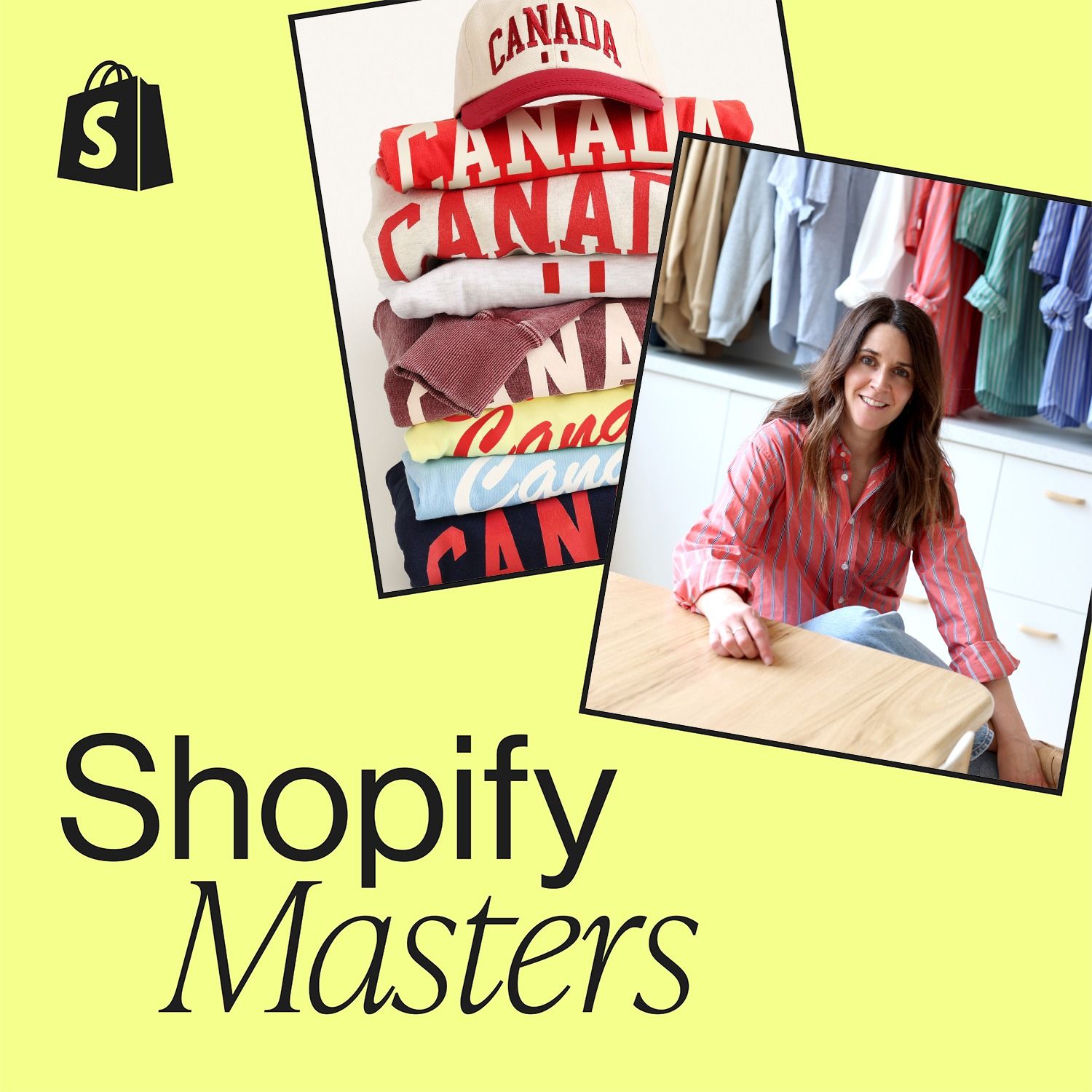
Province of Canada found their retail store didn't just add a new sales channel. It significantly boosted online orders in a radius around the location and solidified their status as a 'local business,' which was critical for surviving the pandemic through community support and curbside pickup.
In a world dominated by remote work, personal, in-person interactions have an outsized impact on digital reputation. The speaker treats event mingling not as a social nicety but as a core business strategy to create lasting connections that translate directly into how people perceive the brand online.

Brands can host multi-hour live stream sales events, mimicking the scarcity-driven format of QVC. By having influencers demonstrate products and announce real-time stock updates ('Only 10 left!'), companies create a fun, interactive, and urgent buying environment that drives significant sales in a short window.

Coterie treats its physical retail presence not just as a sales channel, but as a marketing tool. A well-placed product block acts like a billboard, driving discovery and funneling 10-12% of new customers back to their primary D2C subscription business.