Get your free personalized podcast brief
We scan new podcasts and send you the top 5 insights daily.
Netflix has deployed generative AI in about 300 productions, primarily in post-production. The company carefully positions the technology not as a replacement for writers or directors, but as a practical tool to reduce costs and enable shots that were previously cost-prohibitive, thus avoiding conflict with creative unions while still scaling its use.
Related Insights
The fear that AI will replace top artists is misplaced. The correct framing is what happens when top talent gets AI tools. A director like Steven Spielberg could potentially increase their output 20-fold for a fraction of the cost, leading to a massive increase in high-quality creative work.

While generative video gets the hype, producer Tim McLear finds AI's most practical use is automating tedious post-production tasks like data management and metadata logging. This frees up researchers and editors to focus on higher-value creative work, like finding more archival material, rather than being bogged down by manual data entry.
Sarandos argues AI's core function is to produce the most likely result, which is the opposite of what creators aim for in film and TV. He sees its value in production efficiency (e.g., pre-visualizing stunts for safety) and as a writing partner for brainstorming, not as a replacement for the originality that human writers' rooms provide.
AI is enabling films to be shot entirely on gray-screen soundstages with AI-generated backgrounds and lighting. This can slash a blockbuster's budget from over $200M to $70M, making it financially viable to produce more movies and take bigger creative risks.

Contrary to hype, Hollywood's current AI adoption is focused on back-end processes where labor unions have fewer protections, like automating animation and storyboarding to cut costs. Studios are treading cautiously and are not greenlighting AI-written scripts or replacing human actors, which are protected by guild agreements.

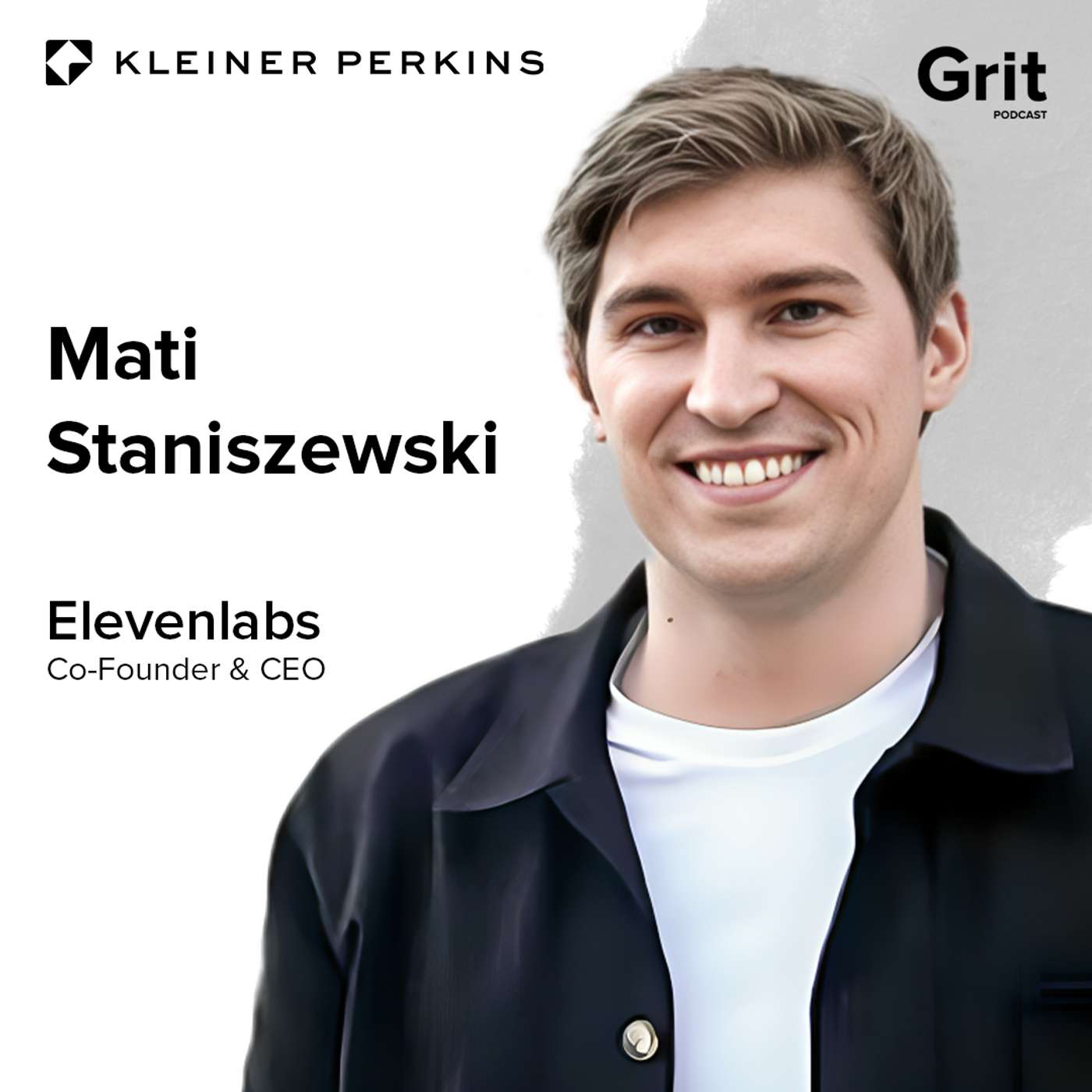
ElevenLabs' CEO predicts AI won't enable a single prompt-to-movie process soon. Instead, it will create a collaborative "middle-to-middle" workflow, where AI assists with specific stages like drafting scripts or generating voice options, which humans then refine in an iterative loop.
Netflix's acquisition of Interpositive, an AI startup, focuses on automating post-production tasks like lighting and reframing, not generating new scenes. This massive deal proves the most valuable and accepted use of AI in entertainment is as a high-end efficiency and cost-cutting tool that keeps creative control with humans.

Initially dismissing AI for creative tasks, media companies now recognize its inevitability. The key to adoption is framing AI's value around revenue generation (making more money), which is a far more compelling business case than simply cost-saving (e.g., reducing producer headcount).

Initially resistant, Hollywood now widely uses AI tools like Magnific. Creatives like Gal Gadot have realized AI can cut film production costs by two-thirds, enabling more content creation by focusing actors on performance while AI handles complex environments, ultimately servicing more audiences.

Public concern over AI in film often overlooks its long-standing use as a production tool. For years, machine learning pipelines have been used to enhance CGI character performances, like Thanos in 'Avengers'. This suggests audiences accept AI when it's an 'invisible' tool for enhancing quality, rather than a replacement for creative direction.