Get your free personalized podcast brief
We scan new podcasts and send you the top 5 insights daily.
Despite having robust worker rights—like high minimum wages, paid leave, and strong firing protections—the UK suffers from a stagnant economy and a deeply unhappy populace. This serves as a real-world case study suggesting that legislating better working conditions is not a silver bullet for solving deeper economic problems or ensuring social well-being.

Related Insights
Forcing businesses to pay a mandated high wage for a low-value job creates a powerful incentive to automate that role, especially with the rise of AI. A better approach is bottom-up regulation that fosters a competitive labor market, forcing companies to increase wages naturally to attract talent.

Contrary to classic economic theory, raising the minimum wage doesn't significantly increase unemployment. Instead, its hidden costs manifest as lower-quality work, such as unpredictable schedules and reduced workplace safety, as employers push workers harder to compensate for higher labor costs.

The minimum wage effectively makes it illegal for an employer to hire a worker whose skills are not yet worth the mandated hourly rate. This prevents young or unskilled individuals from accepting lower-paying jobs that would provide crucial skills and experience, trapping them in a cycle of unemployability.

The most powerful force for raising wages isn't legislation like minimum wage laws, but "optionality." When a vibrant ecosystem of small businesses creates numerous employment options, companies must compete for talent, naturally driving up pay and improving working conditions. This market-based approach is more effective than top-down mandates.
Raising the minimum wage is a superficial fix for stagnant wages. True wage growth comes from two systemic factors: an education system that prioritizes valuable skill acquisition, and deglobalization, which prevents skilled domestic workers from being easily replaced by cheaper foreign labor.

The government gave unions unprecedented power in exchange for wage restraint. However, the policy failed because union leaders, under pressure from members and competing with each other for better deals, couldn't uphold their end, fueling hyperinflation.

Raising the minimum wage often benefits individuals in higher-income households (e.g., teens with summer jobs) rather than the poorest families. The most vulnerable are often not in work. A more generous welfare state that directly provides money to poor households is a more targeted and effective way to reduce poverty and inequality.
Intended as a safety net, Britain's extensive welfare system now acts as a trap, creating powerful disincentives to work. With over half of households receiving more in benefits than they pay in taxes, the system fosters a dependency that is difficult for anyone, even the ambitious, to escape.

Despite claiming growth is its top mission, the UK government is pursuing anti-growth measures. These include making permanent residency harder to obtain, which limits skilled migration, and passing employment bills that increase the difficulty and cost of hiring, directly undermining business expansion.
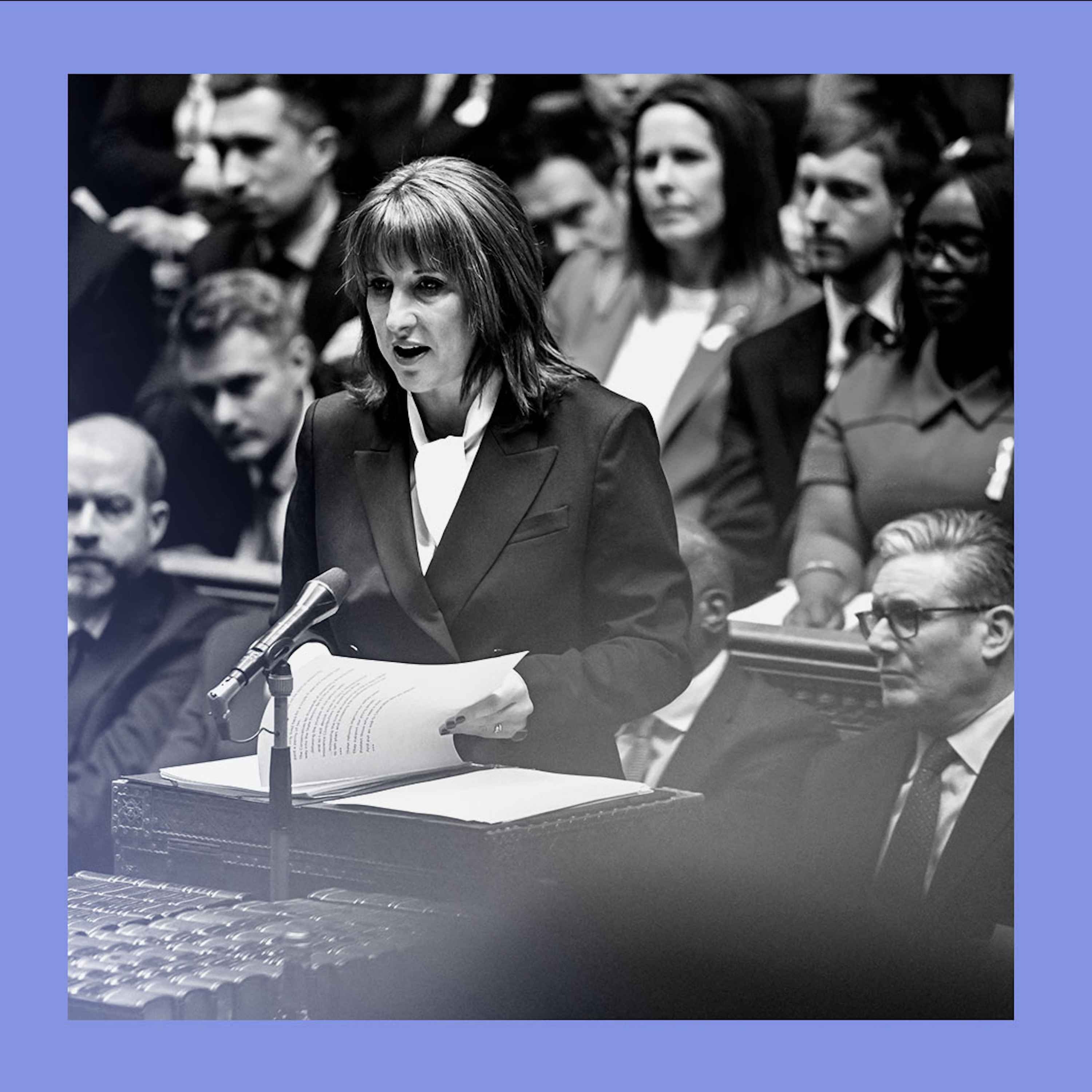
Contrary to the goal of forging a distinct identity, Britain has seen several social and political trends converge with European norms since 2016. This includes falling birth rates, young adults living at home longer, and stricter employment and renters' rights—mirroring a European social model rather than the deregulated, US-style economy some Brexiteers had envisioned.
