Get your free personalized podcast brief
We scan new podcasts and send you the top 5 insights daily.
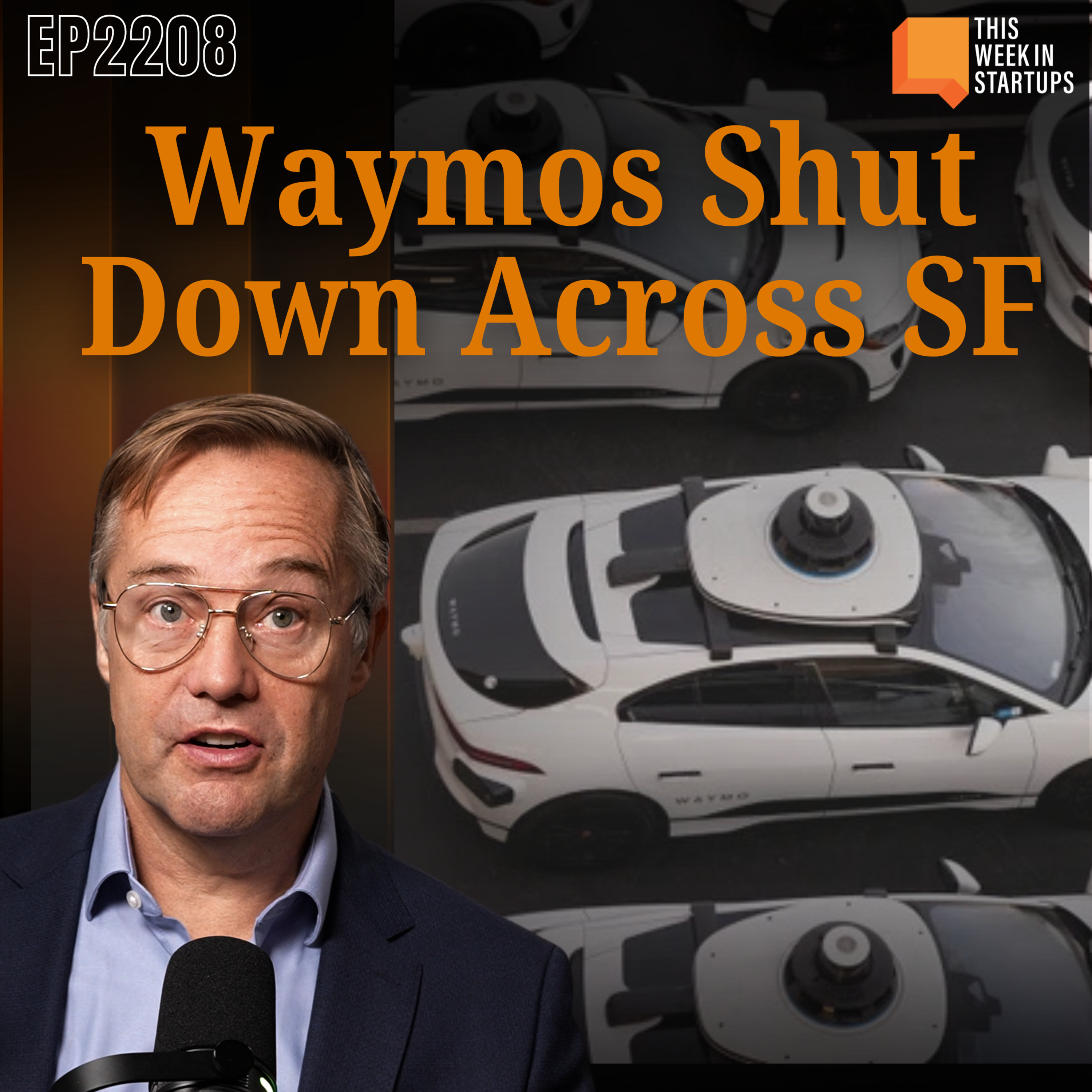
While its technology is advanced, Waymo's most significant competitive advantage is its head start in securing regulatory permits to operate and charge for rides. Competitors like Amazon's Zoox are far behind, not yet able to take paid passengers. This regulatory moat creates a powerful first-mover advantage in lucrative urban markets.

Related Insights
According to Flexport's CEO, large incumbents hold significant AI advantages over startups. They possess vast proprietary data for model training, the domain expertise to target high-value problems (features, not companies), and instant distribution, allowing them to deploy AI solutions to thousands of customers overnight.

While not in formal business frameworks, speed of execution is the most critical initial moat for an AI startup. Large incumbents are slowed by process and bureaucracy. Startups like Cursor leverage this by shipping features on daily cycles, a pace incumbents cannot match.

Lyft is competing with Waymo in cities like San Francisco but partnering with them in Nashville, where Lyft manages Waymo's fleet (cleaning, charging, maintenance). This "frenemy" approach allows Lyft to participate in the autonomous vehicle future by providing operational services to a direct competitor.
Autonomous vehicle technology will likely become a commodity layer, with most manufacturers providing their cars to existing ride-sharing networks like Uber and Lyft. Only a few companies like Tesla have the brand and scale to pursue a vertically-integrated, closed-network strategy.
While patents are important, a pharmaceutical giant's most durable competitive advantage is its ability to navigate complex global regulatory systems. This 'regulatory know-how' is a massive barrier to entry that startups cannot easily replicate, forcing them into acquisition by incumbents.

While many see autonomous vehicles as a threat to Uber's ride-hailing, its delivery segment may be more important and defensible. Automating last-mile delivery of goods from varied locations is significantly more complex and less economical than automating passenger transport, providing a durable moat.

As tech giants like Google and Amazon assemble the key components of the autonomy stack (compute, software, connectivity), the real differentiator becomes the ability to manufacture cars at scale. Tesla's established manufacturing prowess is a massive advantage that others must acquire or build to compete.
Contrary to displacement fears, driverless taxis like Waymo are carving out a new, expensive market segment. They cater to a different customer base—likely former private car users—thereby increasing overall demand for ride services rather than just cannibalizing the traditional taxi market.

Waymo's potential $100B valuation, over 200 times current revenue, is based on more than its robo-taxi service. Investors are betting on future high-margin revenue streams, particularly licensing its autonomous driving software to established automakers. This B2B model is key to justifying a valuation far beyond traditional transportation multiples.
AV companies naturally start in dense, wealthy areas. Uber sees an opportunity to solve this inequality by leveraging its existing supply and demand data in underserved areas. This allows it to make AV operations economically viable in transportation deserts, accelerating equitable access to the technology.
