Get your free personalized podcast brief
We scan new podcasts and send you the top 5 insights daily.
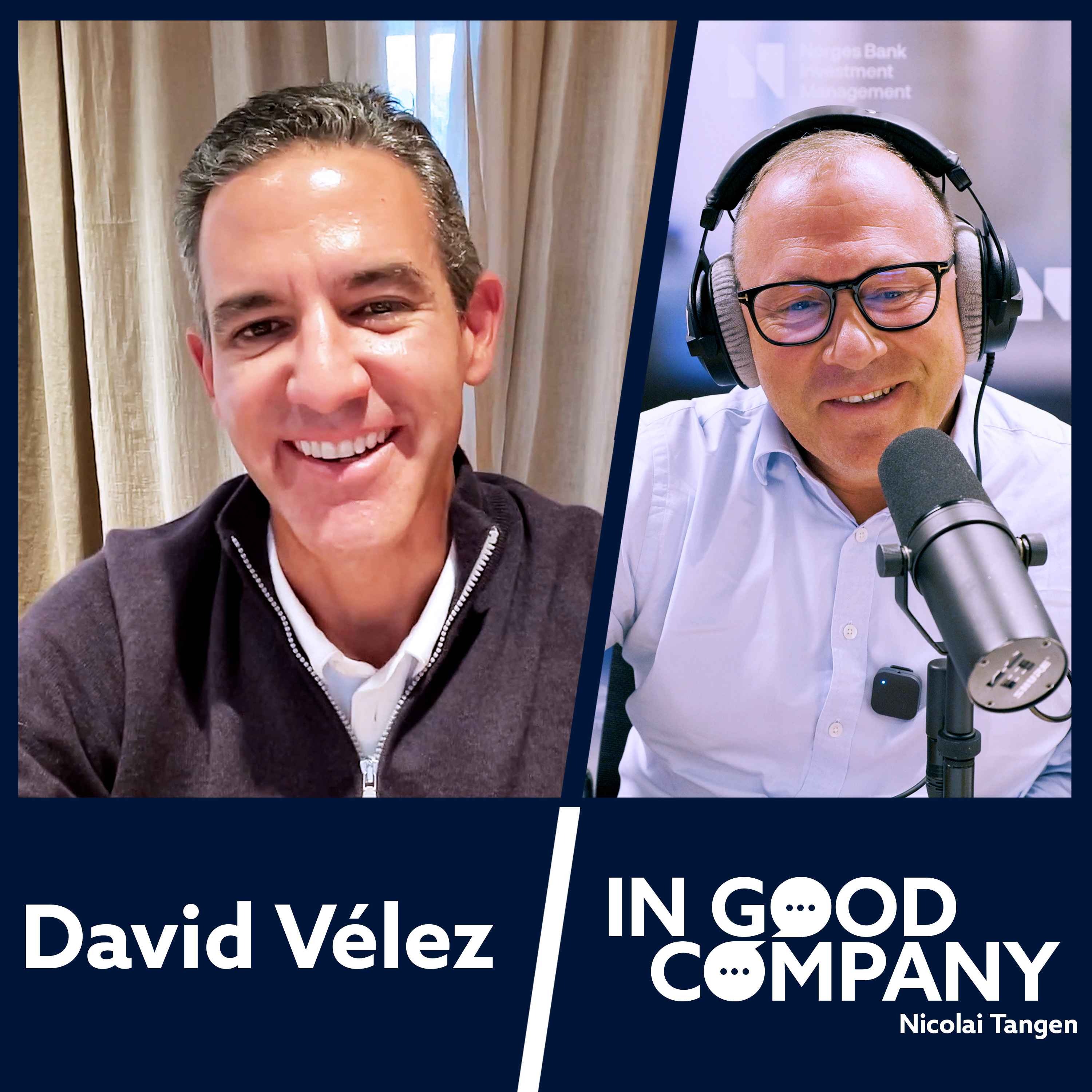
David Vélez found that adopting big-company management practices made Nubank feel like a big company, killing its startup urgency. The goal is not to become a traditional CEO, but to pair a founder's vision with light processes and a strong, agile team.
Related Insights
A founder's real boss is their customer base. While keeping a board happy is important, some CEOs become so consumed with managing up that they lose sight of the product and customer needs, ultimately driving the company off a cliff despite running perfect board meetings.

The most significant founder mistakes often arise from abandoning one's own judgment to do what is conventionally expected. Jason Fried notes that these errors feel worse because you aren't just failing, you're failing while trying to be someone else, which undermines the core identity of your company.

As startups hire and add structure, they create a natural pull towards slower, more organized processes—a 'slowness gravity'. This is the default state. Founders must consciously and continuously fight this tendency to maintain the high-velocity iteration that led to their initial success.

Conventional scaling crushes founders by making them hold everything. Instead, invert the model: create a supportive architecture where your frameworks hold your work, which in turn holds you. This 'nesting bowl' approach enables scaling without feeling responsible for holding everything yourself.

Large corporations can avoid stagnation by intentionally preserving the "scrappy" entrepreneurial spirit of their early days. This means empowering local teams and market leaders to operate with an owner's mindset, which fosters accountability and keeps the entire organization agile and innovative.

Many entrepreneurs love their core business but lose motivation as their role expands to include responsibilities they dislike (e.g., finance, operations). The solution is to reinvest early profits into hiring employees to handle these tasks, freeing the founder to focus on their strengths and passions.

A founder's role is constantly changing—from individual contributor to manager to culture builder. Success requires being self-aware enough to recognize you're always in a new, unfamiliar role you're not yet good at. Sticking to the old job you mastered is a primary cause of failure to scale.

After eight years of grinding, the founder recognized he had taken the company as far as his skillset allowed. Instead of clinging to control, he proactively sought an external CEO with the business acumen he lacked, viewing the hire as a "life preserver" to rocket-ship the company's growth.
