Get your free personalized podcast brief
We scan new podcasts and send you the top 5 insights daily.
The challenge with pooled screening is isolating the single best clone. A novel approach uses a CRISPR activation system that specifically targets the winning clone's unique DNA barcode. This activates a selectable marker, enabling the high-precision extraction of the desired cell line for monoclonal expansion.

Related Insights
Gordian Biotechnology embeds unique genetic "barcodes" into hundreds of different gene therapies. This transforms gene therapy from a treatment modality into a high-throughput screening tool, allowing them to test many potential drugs simultaneously inside a single living animal and trace which ones worked.
By labeling each cell with a unique DNA barcode, all clones can be grown together in a single, manufacturing-relevant bioreactor. This shifts the core challenge from laborious individual cell measurements to a high-throughput sequencing and data analysis task, dramatically increasing efficiency and data richness.
Instead of using CRISPR for gene editing (cut and replace), Seek Labs harnesses its natural function. Their platform programs CRISPR to find and 'chop up' viral DNA and RNA, directly lowering the viral load and allowing the host's immune system to take over.

Traditionally, vector design and cell line development are sequential steps requiring intermediate tests. By screening a mixed pool of candidates with DNA barcodes directly in a bioreactor, these stages can be overlapped, accelerating the timeline from initial design to identifying a high-performing manufacturing clone.
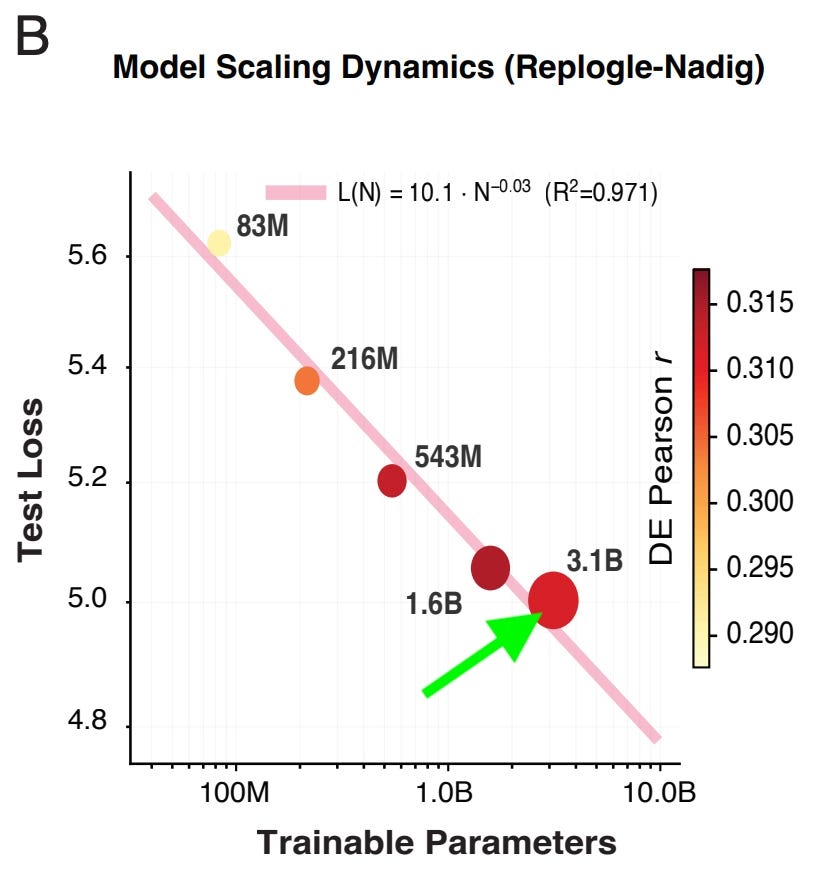
The next inflection point will come from clever data generation strategies optimized for AI models, not human analysis. This "black box data" approach—like pooled screening with sequencing readouts—is vastly more scalable and creates a powerful, proprietary moat for companies.

High-throughput biology uses techniques like PerturbSeq to run thousands of genetic perturbation experiments simultaneously in a single "pool" of cells. This method is highly scalable and, crucially, avoids the batch effects that plague traditional experiments, creating clean, uniform data essential for training large-scale AI models.
The field was stalled by the risk of transmitting porcine retroviruses to humans. The problem was intractable because 50-70 viral copies are spread across the pig genome. CRISPR's unique ability to efficiently make that many edits was the specific breakthrough needed to mitigate this key safety risk.

George Church envisions a future where, in emergencies, millions of barcoded gene therapies could be tested simultaneously in one patient. This approach combines high-throughput synthesis with in-vivo testing to achieve nearly 100% accuracy by using a real human biological system.
Delivering the CRISPR-Cas9 complex into delicate primary human T-cells was a major hurdle. The solution was electroporation, an old technique that uses an electrical current to create temporary pores in the cell membrane, allowing the CRISPR machinery to enter. This non-obvious method unlocked T-cell engineering.

Conventional cell line development screens clones in small-scale formats like 96-well plates. This environment starkly differs from the large-scale, controlled bioreactors used in production, leading to clones that perform well initially but fail when scaled up, creating a costly and predictable development bottleneck.