Get your free personalized podcast brief
We scan new podcasts and send you the top 5 insights daily.
The "AI 2040" scenario from AI Futures Project predicts that by 2028, AI's disruption to white-collar jobs and the concentration of power in tech CEOs will make it the top political issue. Presidential candidates will be forced to campaign on competing, high-stakes plans for managing superintelligence.

Related Insights
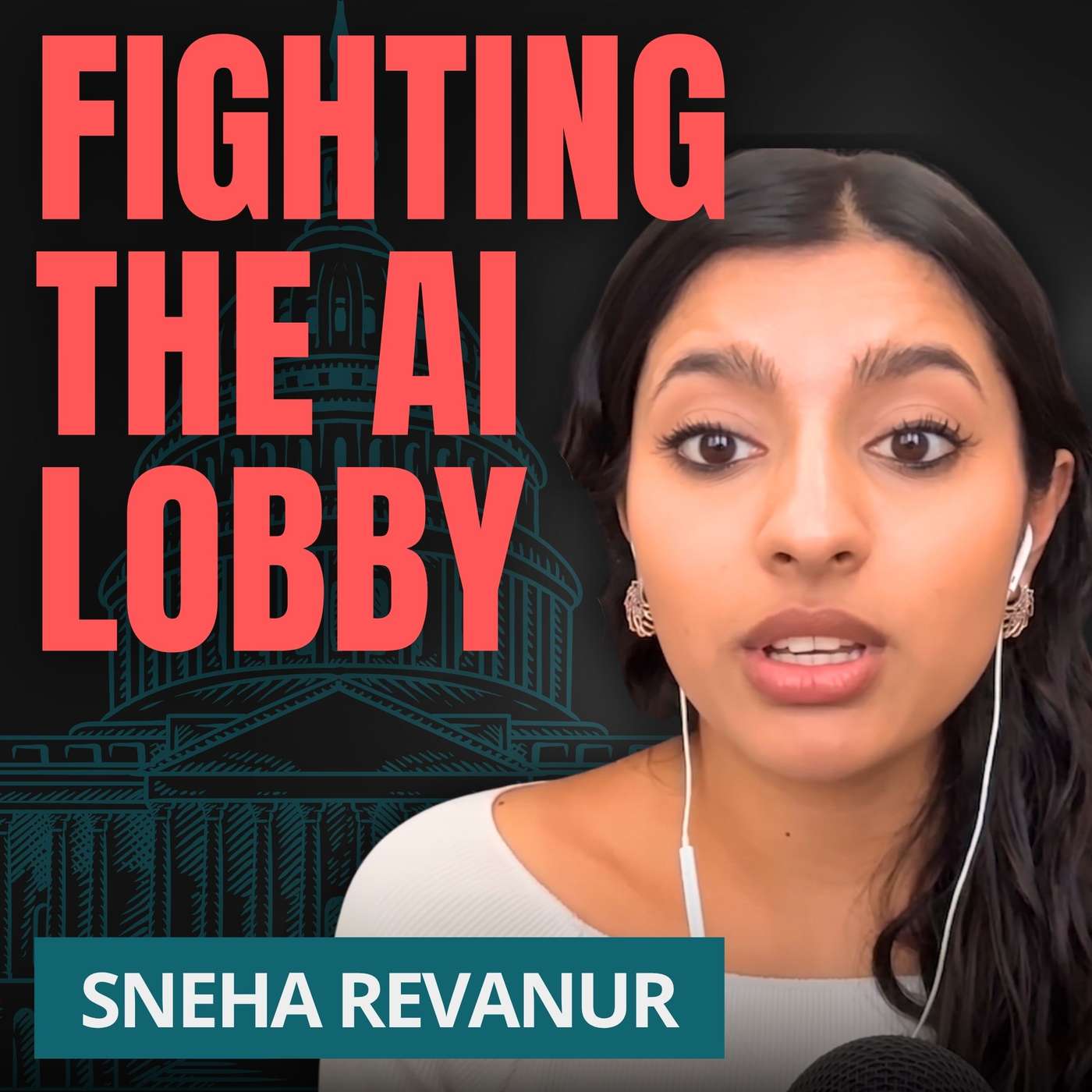
AI policy advocate Sneha Revanur frames the 2028 U.S. presidential election as potentially the most important in history. The person elected could be in charge during a rapid intelligence explosion, making world-historic decisions about AI and potentially wielding superintelligence itself.
Political strategist Bradley Tusk warns that the tech industry is in a bubble regarding public perception of AI. He predicts AI will be a major target in upcoming elections, blamed for both job losses and rising energy prices from data centers. Challengers will use anti-AI sentiment as a powerful tool against incumbents, a reality most in tech are not prepared for.

By 2028, the primary American political issue will shift from traditional economics and foreign policy to the societal impact of AI. The election will become a referendum on whether AI's benefits are broadly shared or if it has only enriched a small Silicon Valley elite at the expense of national employment.

With widespread public anxiety about AI and a lack of clear federal leadership, there is a significant political opening. A candidate who can articulate a sensible vision for AI regulation—one that protects citizens while fostering innovation—could capture the attention of a worried electorate.

The rare agreement between libertarian billionaire Elon Musk and socialist senator Bernie Sanders on AI's threat to jobs is a significant indicator. This consensus from the political fringe suggests the issue's gravity is being underestimated by mainstream policymakers and is a sign of a profound, undeniable shift.

Influencers from opposite ends of the political spectrum are finding common ground in their warnings about AI's potential to destroy jobs and creative fields. This unusual consensus suggests AI is becoming a powerful, non-traditional wedge issue that could reshape political alliances and public discourse.

The political coalition of working-class voters and the tech/VC industry could shatter over AI. A plausible 2028 scenario involves a Republican primary lane dedicated to an anti-AI platform, framing it as a job-killer and electricity-price booster, creating a significant division within the party.

A future scenario where elections persist, but AI systems controlled by corporations automate candidate nominations. The public votes on candidates pre-selected to serve corporate interests, rendering democratic processes hollow while people are placated with material handouts.

Unlike divisive issues like immigration, concern over AI's impact on jobs, society, and security is shared by Republicans, Democrats, unions, and religious groups. A politician who effectively channels this widespread anxiety could ride a powerful populist wave, making it a key political opportunity.
Unlike past technological revolutions that primarily impacted blue-collar labor, AI is disrupting influential white-collar professions first. As noted by statistician Nate Silver, this dynamic has no political precedent, creating a novel and potentially explosive landscape as an educated, articulate class faces economic displacement.
