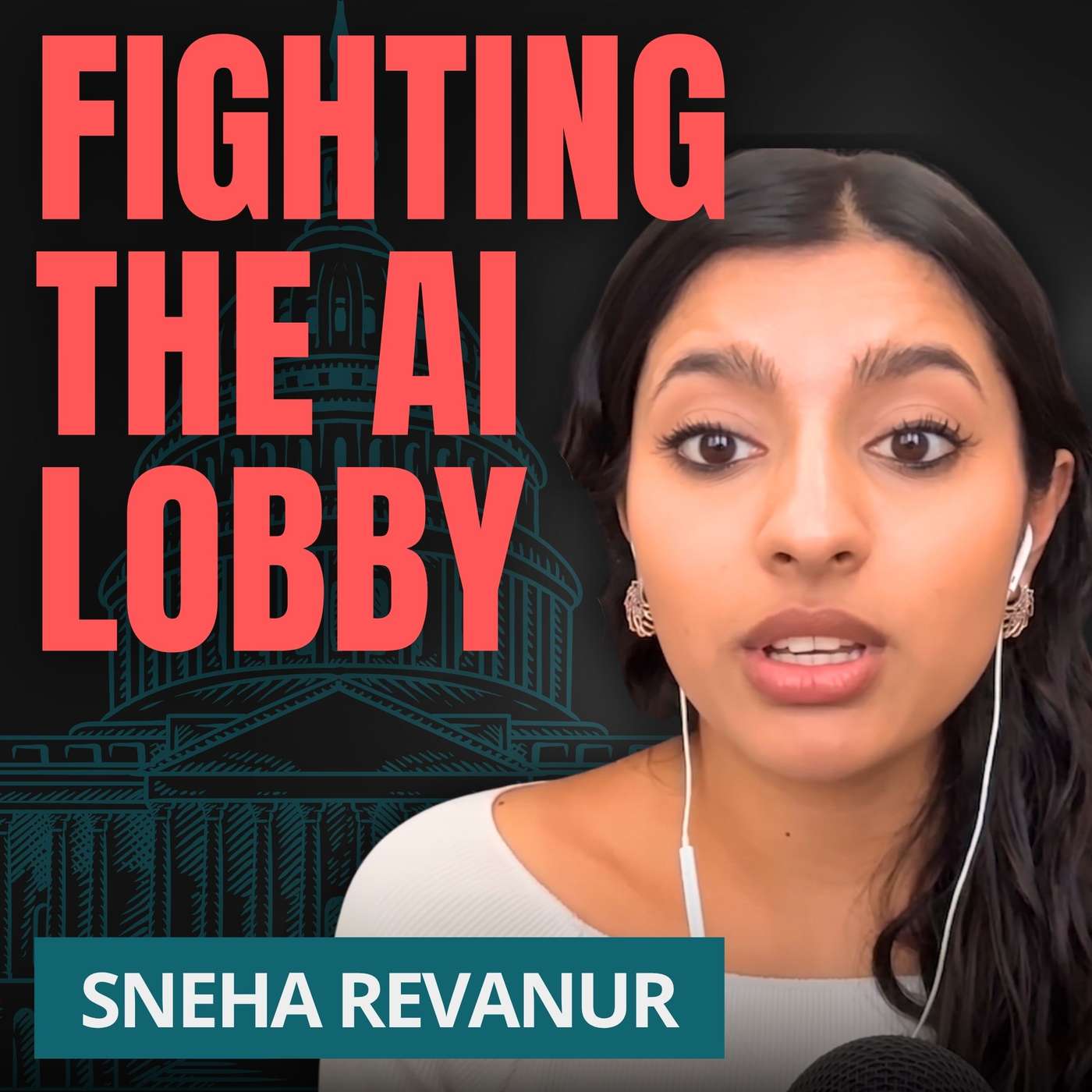
Encode AI found its initial grassroots model with young volunteers was difficult to convert into tangible political outcomes. They shifted to a professionalized approach, building coalitions with established groups that already have clear stances, which proved significantly more effective.
Encode successfully fought federal preemption of state AI laws by uniting "strange bedfellows" like conservatives, parents of children harmed by AI, and artists. Rallying diverse groups with different end goals against a single, shared threat is a powerful political strategy for blocking unfavorable policy.
Encode's ambitious SB1047 bill was vetoed, but the effort wasn't a failure. It primed the legislature, built a powerful coalition, and put AI regulation on the governor's radar. This "delayed payoff" from the initial failure was essential for passing the subsequent, successful SB53 bill.
Rather than setting a low standard, passing AI safety laws in states like California creates a strong baseline. This gives advocates leverage to demand an even stronger federal framework, as anything weaker would be a non-starter for stakeholders who oppose federal preemption.
When subpoenaed by OpenAI, advocacy group Encode strategically balanced its public response. While highlighting the intimidation, they avoided burning bridges, recognizing OpenAI as a key, long-term player in future policy debates. This preserved their ability to negotiate and collaborate later on.
Anti-regulation super PACs are misapplying tactics that worked for the low-salience issue of crypto. Because the public is increasingly concerned about AI, massive spending can backfire by creating a backlash and boosting the name recognition of targeted politicians, proving capital is not always fungible into political outcomes.
Effective AI advocacy requires balancing two conflicting mindsets. The "soldier" builds coalitions and persuades, while the "scout" engages in sharp, unsparing analytical thinking. Excelling at one can weaken the other, so advocates must consciously toggle between persuading and questioning their own core assumptions.
Building coalitions with diverse interests often leads to conflicts over specific legislative text. However, investing in deep relationships and mutual trust provides a "benefit of the doubt." Trusted partners are more willing to listen and compromise on details, believing in your good faith and overall goals.
Contrary to the belief that advocates are always "outside the room," California's legislative process allows organizations to act as co-sponsors on bills. This unique feature gave Encode AI an inside role in shaping AI safety laws, from drafting and negotiating to influencing implementation.
AI policy advocate Sneha Revanur frames the 2028 U.S. presidential election as potentially the most important in history. The person elected could be in charge during a rapid intelligence explosion, making world-historic decisions about AI and potentially wielding superintelligence itself.