Get your free personalized podcast brief
We scan new podcasts and send you the top 5 insights daily.
As AI advances, the half-life of technical skills shrinks to 2.5-5 years. Leaders must cultivate appreciating 'soft' skills like judgment and adaptability by embedding them into performance metrics (KPIs, OKRs), rather than just verbally encouraging them. Employees won't prioritize what they aren't evaluated on.

Related Insights
As AI handles more routine tasks, uniquely human skills like creativity, strategic thinking, clear communication, and collaboration are becoming table stakes. These former "soft skills" are now mandatory for career growth and resilience.

As AI handles technical tasks, uniquely human skills like curiosity, empathy, and judgment become paramount. Leaders must adapt their hiring processes to screen for these non-replicable soft skills, which are becoming more valuable than traditional marketing competencies.

As AI handles technical tasks, the value of hard skills diminishes. The most crucial employee traits become "human" qualities: buying into the company vision, emotional intelligence, and self-awareness. These are the new competitive advantages in talent acquisition.
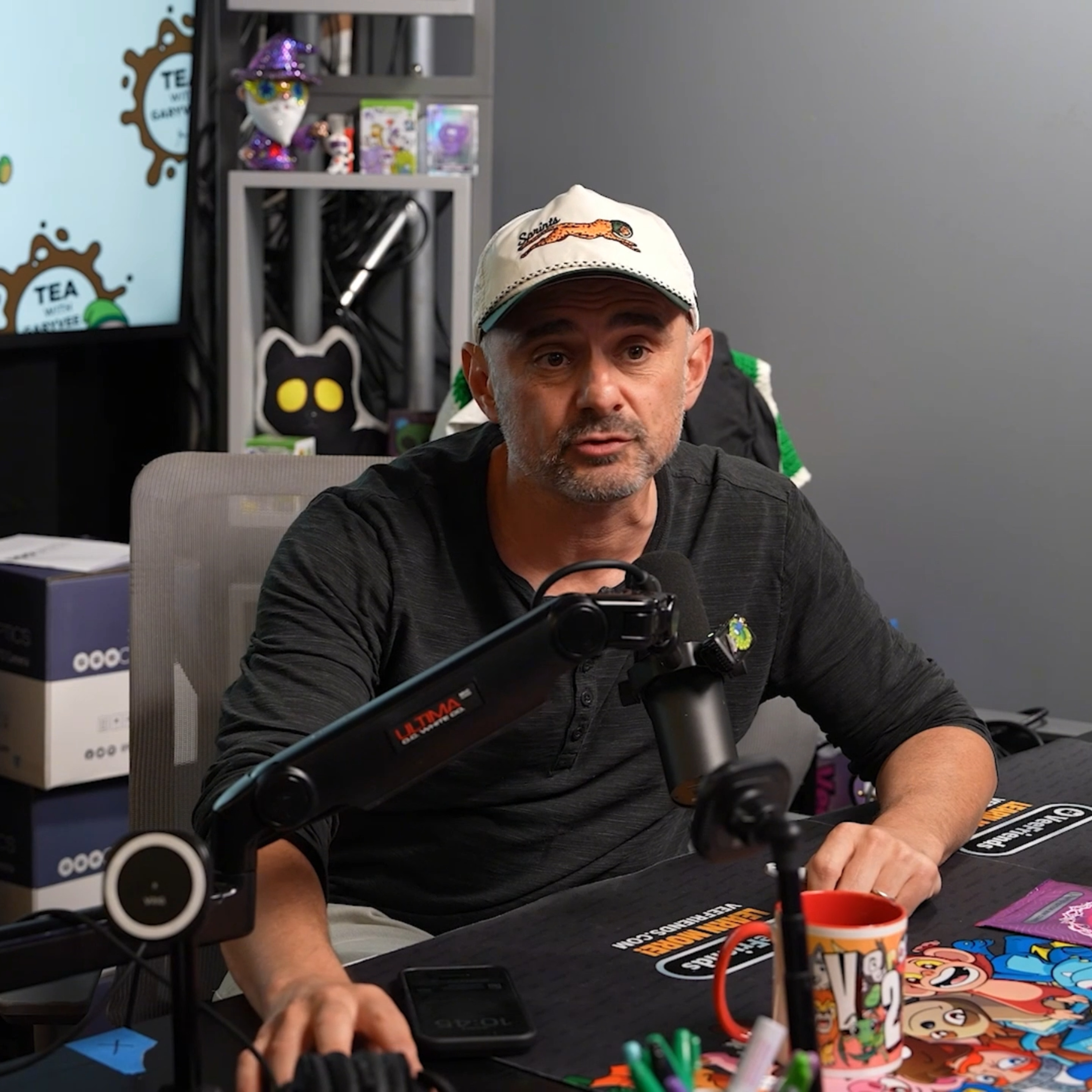
To make AI adoption tangible, Zapier built rubrics defining "AI fluency" for different roles and seniority levels. By making these skills a measurable part of performance reviews and rewards, you create clear incentives for employees to invest their time in developing them, as behavior follows what gets measured.
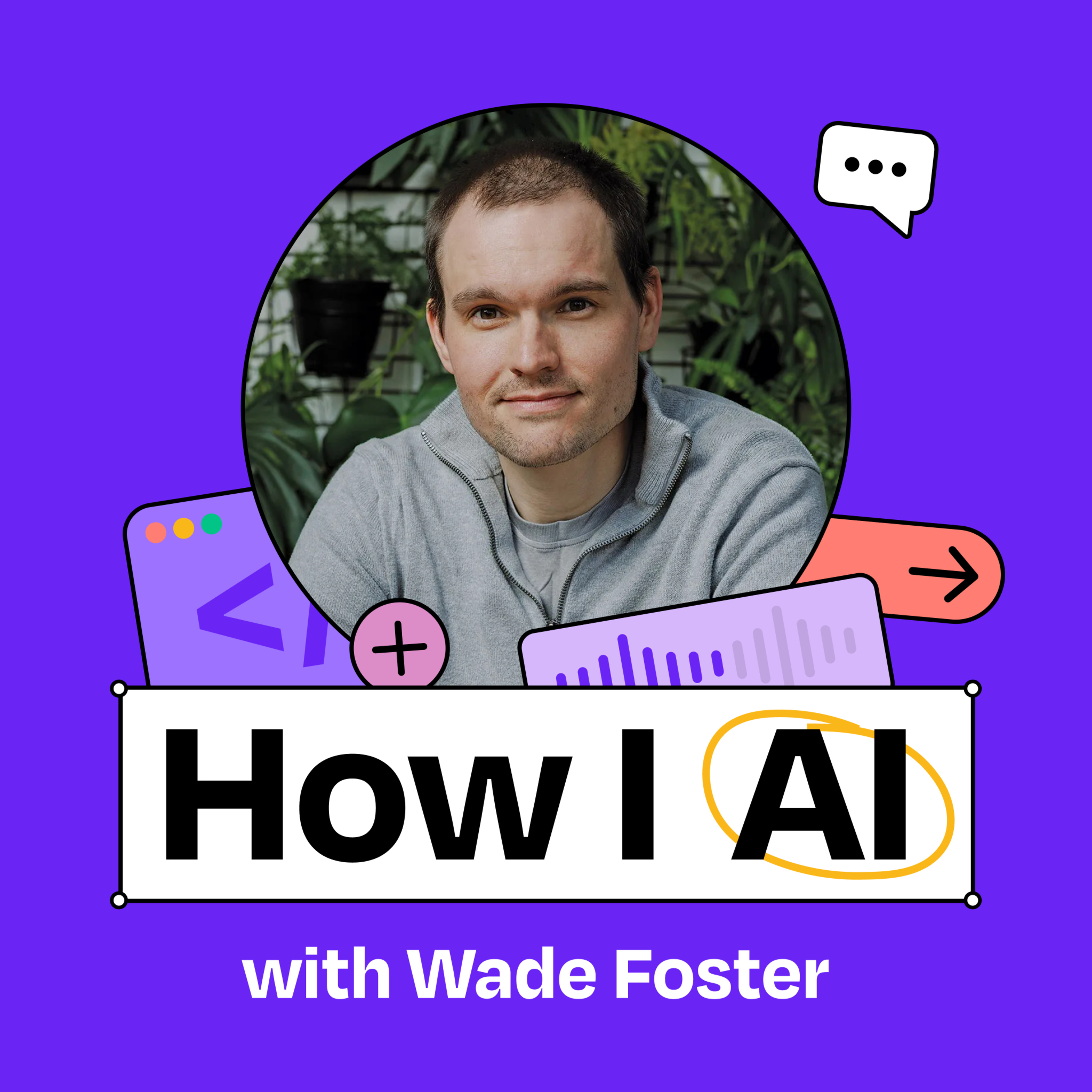
As AI automates technical and mundane tasks, the economic value of those skills will decrease. The most critical roles will be leaders with high emotional intelligence whose function is to foster culture and manage the human teams that leverage AI. 'Human skills' will become the new premium in the workforce.

As AI handles more technical marketing tasks, skills like communication, storytelling, and motivating people become the key differentiators. The human element grows in importance as the technical side becomes more automated, making soft skills a critical investment for career growth.

Skills like curiosity, courage, creativity, compassion, and communication—often dismissed as "soft"—are becoming your primary competitive advantage. As AI handles more technical and routine work, these uniquely human capabilities are essential for innovation and long-term career survival.

Successful AI integration is a change management challenge, not just a technical one. As AI automates routine tasks, organizations must strategically reinvest in their workforce by cultivating uniquely human skills like creativity, complex judgment, and nuanced problem-solving.

Hard skills like programming have a half-life of just 2.5-5 years. To future-proof your career, focus on developing transferable "durable skills" like agility, receiving feedback, and persuasion. This strategy makes you a versatile "general athlete" who can thrive in any future role.
As AI takes over quantitative tasks like forecasting and dashboard analysis, leaders can no longer succeed by simply managing metrics. Their value shifts entirely to human-centric skills that AI cannot replicate, such as building connections, fostering psychological safety, and encouraging their teams.