Get your free personalized podcast brief
We scan new podcasts and send you the top 5 insights daily.
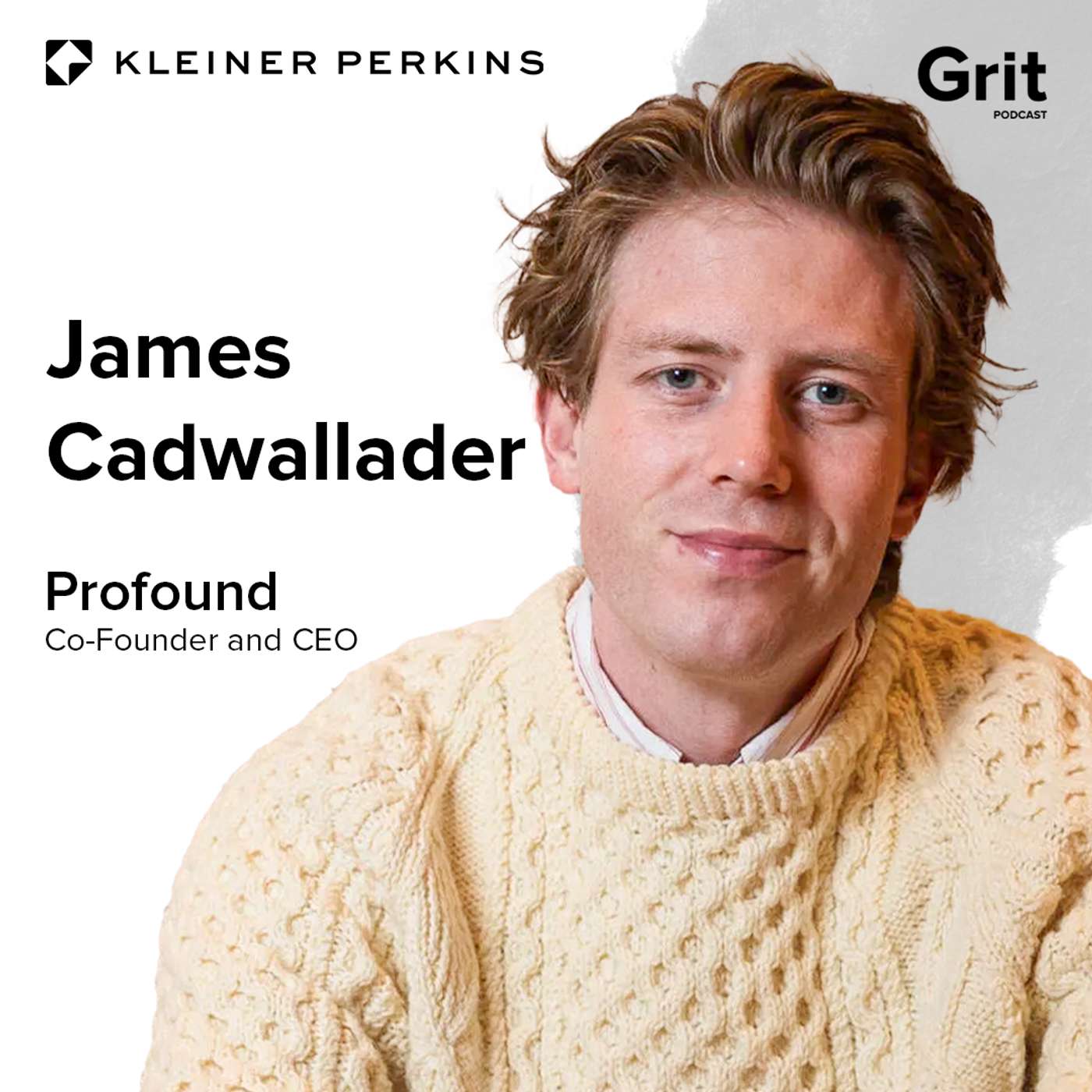
Faced with a hyper-competitive real estate market, Profound deployed cheap billboard trucks—a tool typically used for marketing—to advertise their need for office space. This creative tactic solved a critical operational bottleneck by generating a flood of inbound interest from brokers.
Related Insights
Instead of growing slowly, a new contracting business can rapidly gain market share by committing to a high marketing spend (e.g., 14% of a revenue goal) before making the first sale. This aggressive, intentional brand-building strategy can make a new company seem like an overnight success and quickly overtake established but complacent competitors.

To stand out at a major conference, the 7-person Bug Crowd team skipped the expensive booth. Instead, they printed 500 t-shirts with a clever hacker slogan ("My other computer is your computer") and gave them away. This created the illusion of a massive presence and sparked conversations for a fraction of the cost.

As businesses scale, they often abandon the scrappy, creative tactics that sparked their initial growth. To combat rising ad costs and channel fatigue, intentionally revisit these early, 'unscalable' activities. Re-injecting that fun, different energy can generate the 'free memories' and reach needed for the next growth phase.

Startups can appear much larger by purchasing the smallest possible unit of a large-format ad (e.g., a Times Square billboard for two minutes), capturing high-quality photo/video, and then amplifying that content across all owned digital channels like LinkedIn and email.

Unlike typical consumer ads, San Francisco's outdoor advertising is dominated by niche B2B startups. They accept that 95% of viewers are irrelevant to reach a high concentration of VCs and tech talent, signaling a strategic return to immeasurable brand awareness over direct-response marketing.

Many founders operate on flawed assumptions about how they acquire customers. Analyzing marketing data often shatters these myths, revealing that sales and traffic come from unexpected sources. This discovery points to untapped growth opportunities and where marketing energy is best spent.

To maximize ROI on their out-of-home spend, Float's media buying was highly scientific. They physically mapped the office addresses of their existing customers across the country, identified clusters in cities like Toronto, and then concentrated their billboard buys in those specific regions.

When expanding his law firm, John Morgan uses a 'bullets before bombs' strategy. He first enters a new city with a small, low-cost team and ad budget (the 'bullets') to test viability. Only after seeing positive traction does he commit significant capital and resources (the 'bombs'), de-risking growth.

Founder Avi Schiffman revealed his widespread out-of-home ad campaign was affordable because he avoided premium assets. By negotiating 50% reductions for large-scale buys of cheaper inventory (like random bus stops), he achieved massive reach without a premium budget.

With no ad budget, FUBU offered to paint its logo on the security gates of local businesses—from bodegas to repair shops—in exchange for keeping them graffiti-free. Labeling them all as an "authorized FUBU dealer," regardless of what they sold, created a massive, free advertising network and the perception of a large retail presence.
