Get your free personalized podcast brief
We scan new podcasts and send you the top 5 insights daily.
The common phrase 'the plural of anecdote is not data' is flawed. Data is essentially formalized anecdotes that reveal a repeatable pattern. Early, informal observations from credible sources are often the precursors to verifiable data and shouldn't be dismissed outright.

Related Insights
The classic scientific model involved devising a theory and then collecting data to test it. The modern paradigm, driven by big data, often reverses this. Progress now frequently comes from analyzing massive datasets first to discover patterns, and only then forming hypotheses to explain them.
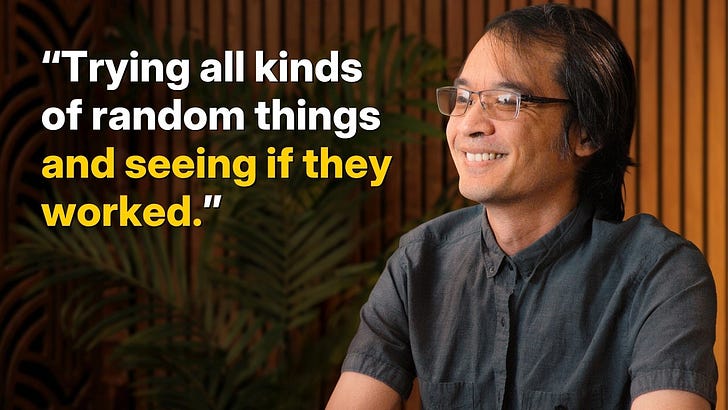
Effective communication requires weaving two distinct elements together: the truth from data and a memorable story. Data itself lacks core story components like protagonists, conflict, and resolution, so communicators must build a narrative around the facts rather than expecting data to be the story.

Unlike controlled clinical trial data, real-world evidence is derived from vast, messy, and incomplete data from daily healthcare. This variability is its strength, offering deeper insights into long-term outcomes, drug interactions, and diverse patient populations that clean trial data misses.

MedTech's data-driven culture fosters a false belief that strong clinical data is sufficient to drive adoption. In reality, all humans—including surgeons—make decisions emotionally first. Data's primary role is not to create initial belief but to provide rational validation for a change the market has already been primed to make.

Relying on aggregate PLG data (signups, usage) is a trap. This data is an abstraction that hides the 'why'. To make correct decisions, you must talk to individual users to uncover the specific, "spiky" anecdotes that explain the numbers. The truth isn't in the dashboard; it's in the story.
According to Andy Grove's wisdom, strategic inflection points can't be identified through lagging data. Instead, look for qualitative, anecdotal evidence like a standing-room-only crowd at a tech conference for a new product, as this signals the beginning of massive corporate demand.
![Alex Sacerdote - How to Invest Through Technology Cycles - [Invest Like the Best, EP.477] thumbnail](https://megaphone.imgix.net/podcasts/638034f8-63bb-11f1-8c95-6396d39926c0/image/bf350c0e87fc4d280ef1c0572526d26d.jpg?ixlib=rails-4.3.1&max-w=3000&max-h=3000&fit=crop&auto=format,compress)
When VCs pushed for a data-driven focus on high-turnover products, Ed Stack prioritized the anecdotal experience of a customer awed by a vast selection. He knew that what looks inefficient on a spreadsheet can be the very thing that builds brand loyalty. The qualitative story was more predictive of long-term success than the quantitative data.
![Ed Stack: Lessons from Dick’s Sporting Goods [Outliers] thumbnail](https://megaphone.imgix.net/podcasts/2e1ece1e-9418-11f0-a293-fbf26a5641f7/image/c326da117a8c3f34b0eb64d2cab694ad.png?ixlib=rails-4.3.1&max-w=3000&max-h=3000&fit=crop&auto=format,compress)
The common tech mantra to 'follow the data' is shallow. Data is a powerful support system, but it primarily describes the past and can be misinterpreted. Truly great decisions, especially for zero-to-one innovation, require a deeper, more critical interpretation that incorporates qualitative insights to understand the 'why'.

Leaders often wait for data to diagnose issues. Instead, go directly to the source of the problem—the factory floor, the warehouse, the support queue—and just watch. Direct observation of a process reveals bottlenecks and inefficiencies faster than any report.

A powerful decision-making framework for leaders: prioritize data-driven discussions. However, when data is absent and only opinions remain, the most experienced person's "taste" or intuition should prevail. This balances quantitative analysis with the value of lived experience.
