Get your free personalized podcast brief
We scan new podcasts and send you the top 5 insights daily.
The filming began not as a public project but as a private record for Rushdie and his wife. It became a daily ritual, something to do besides "just lying there," helping them process and get through an incredibly challenging time together in the hospital.

Related Insights
Rushdie expresses ambiguity about the documentary. While believing it's important, he worries it reinforces the "dark, theological" public narrative he has spent most of his career trying to move past, overshadowing the rest of his extensive literary work.
Rushdie and his wife kept their marriage private not by hiding, but by living a normal New York life and choosing not to broadcast it online. This demonstrates that in the digital age, privacy can be achieved through a simple, active choice of non-participation.
Artist Marc Dennis started writing his memoir not for an audience, but as a way to communicate with his younger brother after he passed away. This deeply personal, therapeutic act of writing daily letters evolved into a broader collection of life stories and memories, born from grief rather than ambition.
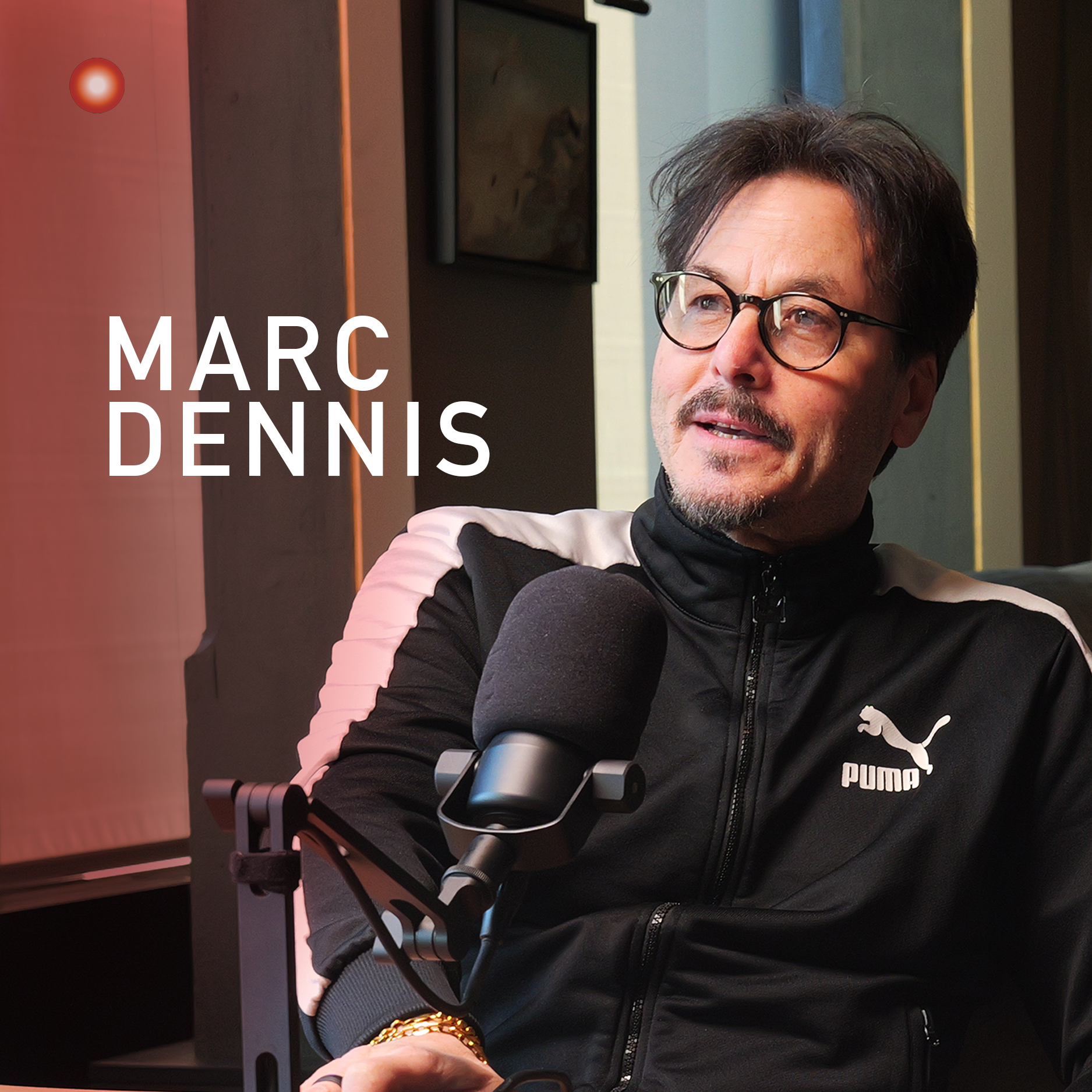
When faced with profound trauma like a loved one's terminal diagnosis, the act of writing becomes a lifeline. It is not about crafting a narrative for later but about processing overwhelming events as they unfold, creating a way to survive the horror.

Matthew McConaughey reveals a paradoxical use of writing. He initially journaled "so I could forget," clearing his mind. Decades later, he published those same entries to "remember" and reconnect with his core beliefs, using the process as a form of self-therapy to combat his own doubt.

Upon seeing the actual footage of his stabbing, Rushdie realized his memory was inaccurate. He had remembered and even written that he saw his attacker approach and stood still, but the film showed he only saw him at the last moment and was actively trying to escape.
During profound challenges like illness, viewing survival as a creative endeavor can be empowering. This mindset encourages tapping into imagination to overcome physical or emotional confinement, as when Jon Batiste composed daily lullabies for Suleika Jaouad during her hospitalization to envelop her with his presence.
Despite having intimate, personal footage of his recovery, Rushdie and his wife sought an external director. They recognized their proximity to the traumatic events prevented them from having the objective perspective needed to shape a compelling narrative for a wider audience.
Authors like Persian poet Farid Uddin Attar and novelist Virginia Woolf process deep personal and societal trauma not by creating grim sagas, but by embedding their grief within dazzling, life-affirming narratives. This act of transformation turns profound suffering into lasting works of power and beauty.

Before the fatwa, Rushdie engaged in public debates with critics, which he considered valuable intellectual conversations. He notes the death threat "changed the subject" entirely, cutting off a serious discussion about the book and replacing it with one about murder and international terrorism.