Get your free personalized podcast brief
We scan new podcasts and send you the top 5 insights daily.
The company's core product idea didn't come from market analysis but from a founder's frustrating personal experience. A difficult diaper change revealed an unmet need for easier baby clothing fasteners, sparking the idea for magnetic closures.

Related Insights
The idea for Birdies didn't come from market research. It came from Bianca Gates observing a recurring awkwardness in her own community meetings: guests were uncomfortable taking off their shoes. The product was a direct solution for a real-world problem she experienced personally.

The common startup process of interviewing many users, cataloging pain points in a spreadsheet, and force-ranking them feels scientific but is deeply flawed. It identifies common annoyances, not urgent, purchase-driving priorities. True market pull often emerges from a single, unplanned conversation where a customer reveals an immediate, unsolvable need.
Profound market insights can emerge from personal hardship. While displaced by a disaster and sleeping in a church, AC Hampton observed mothers struggling with their babies. This direct observation led him to a winning product—a portable baby bed—that generated $1.8M in 6 months.
Michael Dubin didn't conduct market research; he found his business opportunity in his personal annoyance with the high cost and inconvenient process of buying razors from a locked case. This shows that powerful business ideas often hide in plain sight as everyday frustrations.

The brand’s first fragrance wasn't born from market research but from the founder's personal need as a makeup artist for a scent that was clean and not overpowering to clients. This hyper-personal origin created a unique product and became a core theme for all future development.
The strongest companies are built by founders who have personally and painfully experienced the problem they're solving. This visceral understanding is non-negotiable. Without it, founders can't know what to build or how to achieve third-party validation, wasting immense time and resources.

When faced with an obvious idea no one had executed, the founders assumed hidden complexities. They dedicated two years to R&D to solve the safety and durability challenges that had likely deterred others, turning a potential red flag into a defensible innovation.
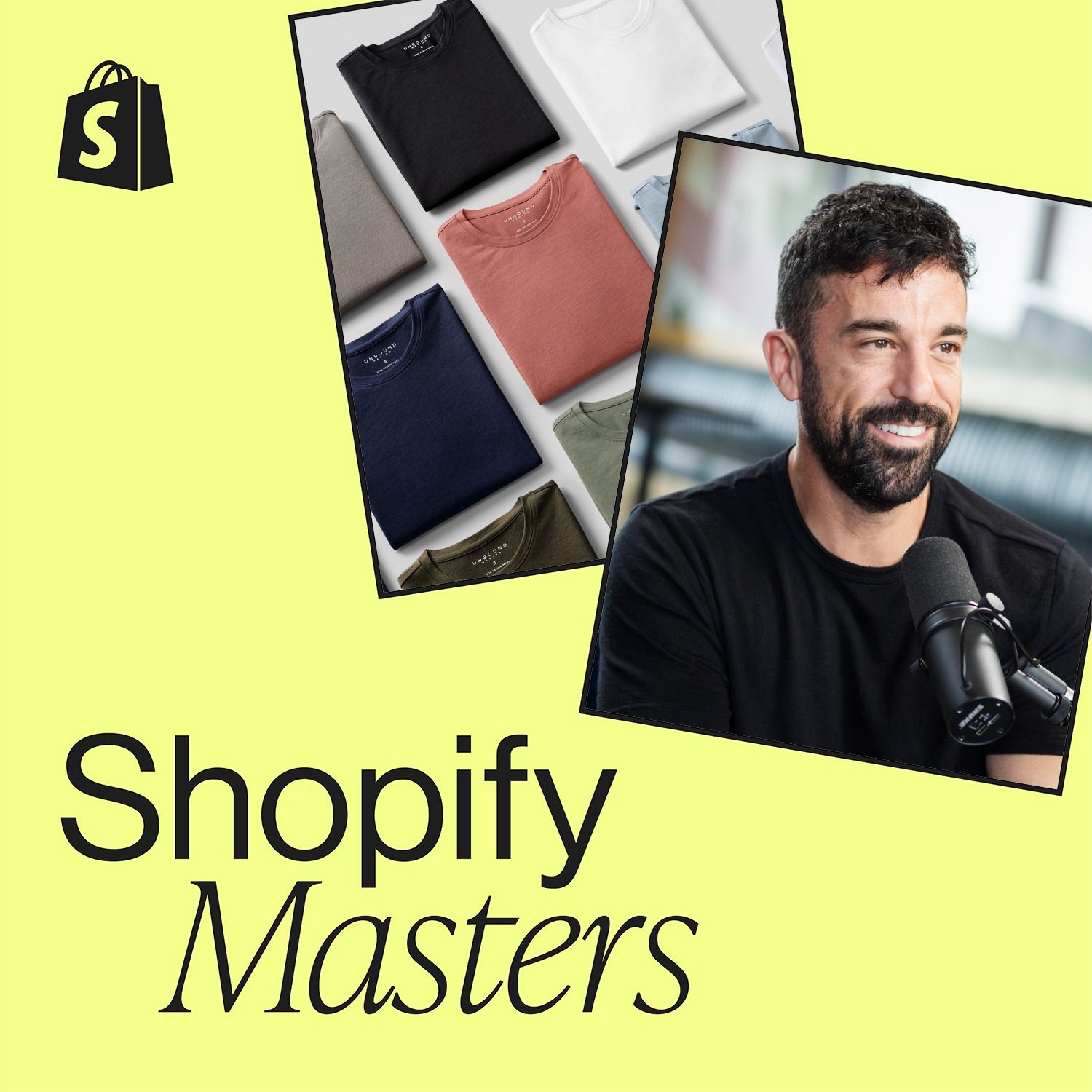
The idea for Unbound Merino came from the founder's own frustrating search for stylish, high-performance travel clothing. When he couldn't find what he wanted, he created it, correctly betting that many others shared his specific problem.
Nominal CEO Cameron McCord's conviction stemmed from experiencing "sufficient pain" firsthand with the manual, inefficient hardware testing workflows at Andrel. This deep, personal understanding of the problem gave him a unique founder advantage and clarity on the solution needed.

Instead of searching for a market to serve, founders should solve a problem they personally experience. This "bottom-up" approach guarantees product-market fit for at least one person—the founder—providing a solid foundation to build upon and avoiding the common failure of abstract, top-down market analysis.