Get your free personalized podcast brief
We scan new podcasts and send you the top 5 insights daily.
Profound market insights can emerge from personal hardship. While displaced by a disaster and sleeping in a church, AC Hampton observed mothers struggling with their babies. This direct observation led him to a winning product—a portable baby bed—that generated $1.8M in 6 months.

Related Insights
The idea for Birdies didn't come from market research. It came from Bianca Gates observing a recurring awkwardness in her own community meetings: guests were uncomfortable taking off their shoes. The product was a direct solution for a real-world problem she experienced personally.

Michael Dubin didn't conduct market research; he found his business opportunity in his personal annoyance with the high cost and inconvenient process of buying razors from a locked case. This shows that powerful business ideas often hide in plain sight as everyday frustrations.

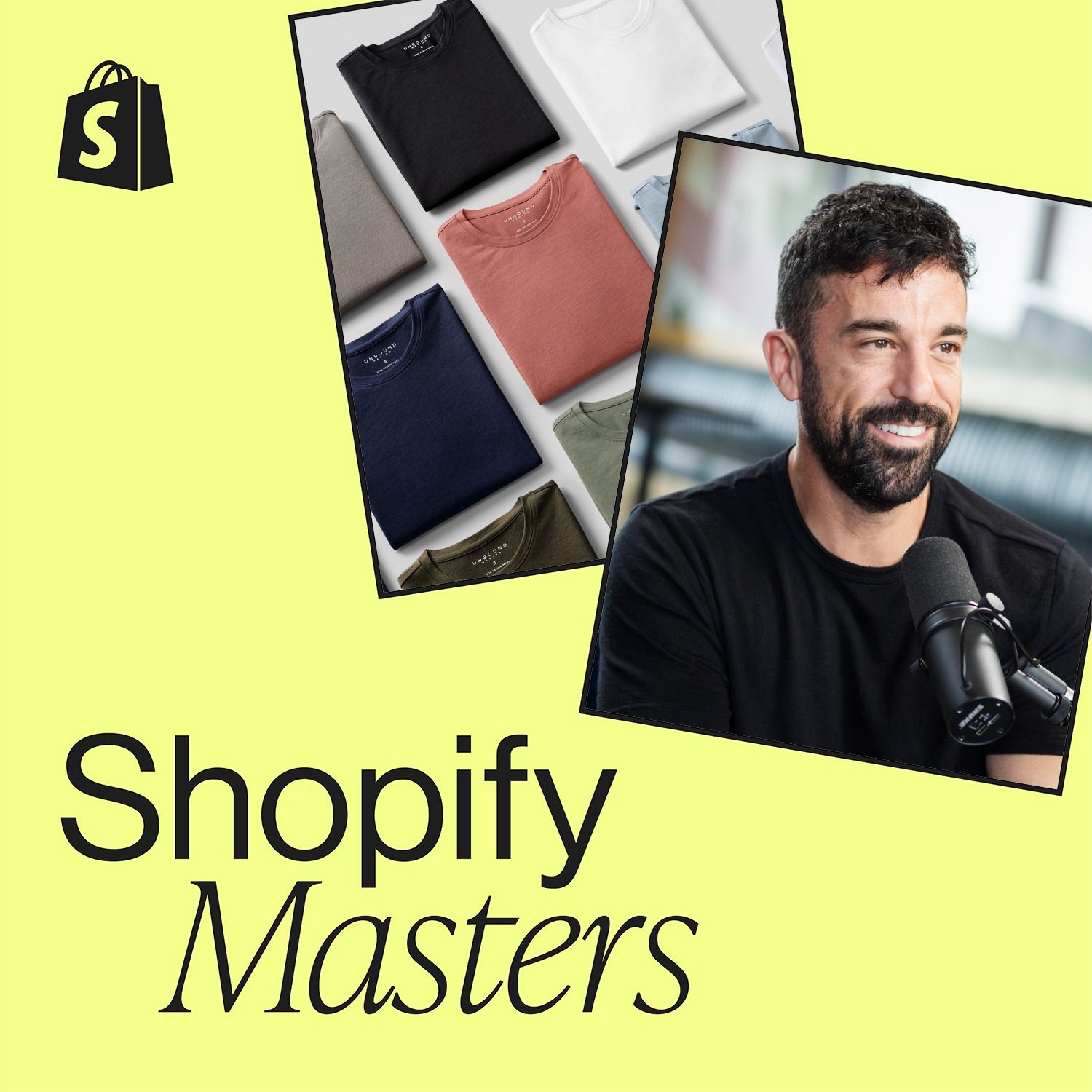
The idea for Unbound Merino came from the founder's own frustrating search for stylish, high-performance travel clothing. When he couldn't find what he wanted, he created it, correctly betting that many others shared his specific problem.
Nominal CEO Cameron McCord's conviction stemmed from experiencing "sufficient pain" firsthand with the manual, inefficient hardware testing workflows at Andrel. This deep, personal understanding of the problem gave him a unique founder advantage and clarity on the solution needed.

Instead of searching for a market to serve, founders should solve a problem they personally experience. This "bottom-up" approach guarantees product-market fit for at least one person—the founder—providing a solid foundation to build upon and avoiding the common failure of abstract, top-down market analysis.

The founder validated his market by seeing the deep misery within accounting, citing Reddit threads of professionals burning out from mundane work. This widespread dissatisfaction signaled a large, underserved market desperate for better tools and ready to adopt new technology.

The host's irritation with traditional, awkward networking conferences was the direct inspiration for creating a successful alternative event. This highlights the principle that personal frustrations often point to unmet market needs ripe for innovation.

The death of a young family friend prompted Breezy Griffith to move home and re-prioritize family. This personal shift, not a market analysis, was the direct catalyst for starting a business with her mother, demonstrating how life events can shape entrepreneurial paths.
After five or six failed B2C ideas, Browserless founder Joel Griffith found success only when he pivoted to solving a problem he experienced personally as an engineer. This deep domain expertise in a B2B niche was critical to building a product that resonated.

The most enduring companies, like Facebook and Google, began with founders solving a problem they personally experienced. Trying to logically deduce a mission from market reports lacks the authenticity and passion required to build something great. The best ideas are organic, not analytical.