Get your free personalized podcast brief
We scan new podcasts and send you the top 5 insights daily.
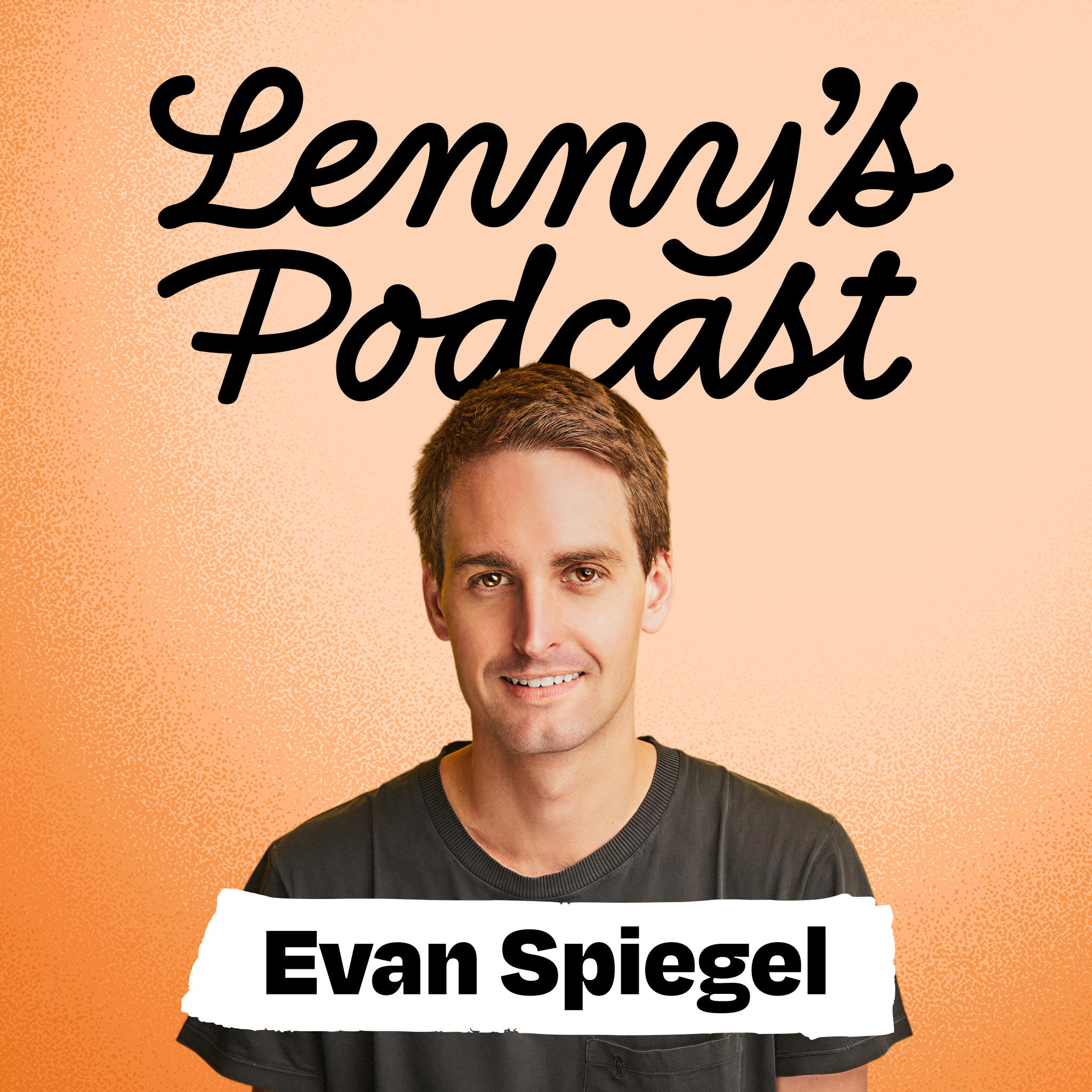
Drawing advice from President Clinton, Evan Spiegel realized his most critical job as CEO is to be the "explainer-in-chief." As Snap scaled, his work shifted from hands-on tasks to constantly communicating the vision and strategy, helping the team and stakeholders make sense of their role within the company.
Related Insights
An effective CEO maintains a consistent core philosophy but tailors the emotional and subjective components of the message for different audiences (e.g., engineering, sales, investors). This context-switching ensures everyone can hear and internalize the message in a way that resonates with them personally.
![Wolfgang Hammer - The Power of Story - [Invest Like the Best, EP.447] thumbnail](https://megaphone.imgix.net/podcasts/adaa55e4-bead-11f0-a5d6-a799713dc0a0/image/a76713c3a8fb2abf443f9164703734c5.jpg?ixlib=rails-4.3.1&max-w=3000&max-h=3000&fit=crop&auto=format,compress)
Dario Amodei states that at Anthropic's scale (2,500 people), his most leveraged role is not direct technical oversight but maintaining culture. He achieves this through intense, direct communication, including a bi-weekly, hour-long, unfiltered address to the entire company to ensure everyone remains aligned on the mission and strategy.

Many founders believe their main job is to build the product. However, successful CEOs like OpenAI's Sam Altman dedicate at least half their time to promotion, which is the true engine of growth. Without it, even the best product will fail because no one will know it exists.

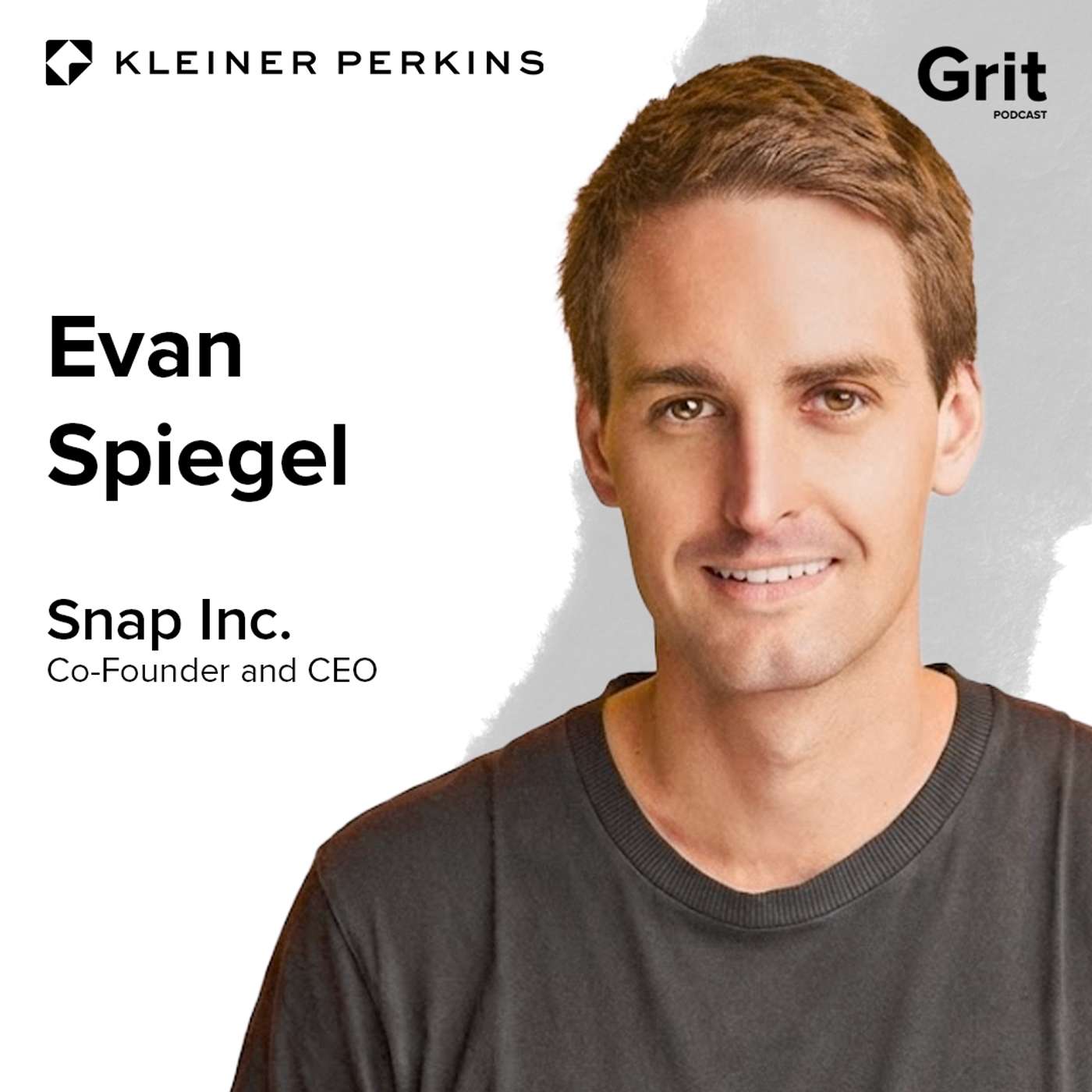
According to Snap CEO Evan Spiegel, the historical power dynamic in tech companies, where engineering held leverage because building was the hardest part, is now reversing. As AI makes software development easier, the critical skill becomes having a great idea, shifting influence and importance toward designers and those with strong product taste.

The CEO's primary job shifts from making top-down decisions to designing the company's intelligence system. Their focus becomes ensuring the human employees properly align this system towards the right outcomes, rather than managing chains of command.

A leader's responsibility is to act as a stress shield for their team and family. Instead of offloading pressure, they should develop personal mechanisms like exercise or meditation to process it, creating a more stable environment for others to perform.
A CEO must act as an emotional stabilizer. When the team is optimistic, the CEO must focus on potential risks. When the team is pessimistic, the CEO must project confidence and point towards future success, constantly balancing the company's collective mood.
Anthropic's CEO, Dario Amodei, leads through a distinct, asynchronous style: writing long-form essays on Slack to explain his reasoning on key topics and engaging in written debates. This method creates a "coherent sense of direction" by ensuring the entire company has a deep, shared model of his thinking and the rationale behind major decisions.

A CEO's role is seeing the same company through the different lenses of various stakeholders (investors, lawyers, scientists). Success requires learning the unique 'language' of each group—their incentives and communication styles—to effectively translate the company's vision and value proposition for each audience.

Evan Spiegel uses a unique proxy to gauge company culture: whether employees' children want to work at Snap. He believes kids are perceptive and will only express this desire if their parents consistently bring home positive energy and fulfillment from their job.