Get your free personalized podcast brief
We scan new podcasts and send you the top 5 insights daily.
The decision to give GrokBot agents characters wasn't arbitrary. The design team noticed users were already giving their agents names and custom photo avatars. This organic behavior validated the need to build personification into the core product experience.

Related Insights
Factory's decision to name their agents "droids" taps directly into developer culture. Unlike generic human names, this branding is distinctive and memorable. It creates a fun, authentic connection, prompting customers to organically share Star Wars memes, effectively doing marketing for the company.

To avoid generic LLM responses, a user "trains" her agents by providing them with an identity built on literature. By telling an agent it has read and finds specific books fascinating, its outputs become quirkier and more aligned with a desired persona.

While OpenAI and Google position their AIs as neutral tools (ChatGPT, Gemini), Anthropic is building a distinct brand by personifying its model as 'Claude.' This throwback to named assistants like Siri and Alexa creates a more personal user relationship, which could be a key differentiator in the consumer AI market.

Instead of creating a sterile simulation, Moltbook embraces the "imprinting" of a human's personality onto their AI agent. This creates unpredictable, interesting, and dramatic interactions that isolated bots could never achieve, making human input a critical feature, not a bug to be eliminated.
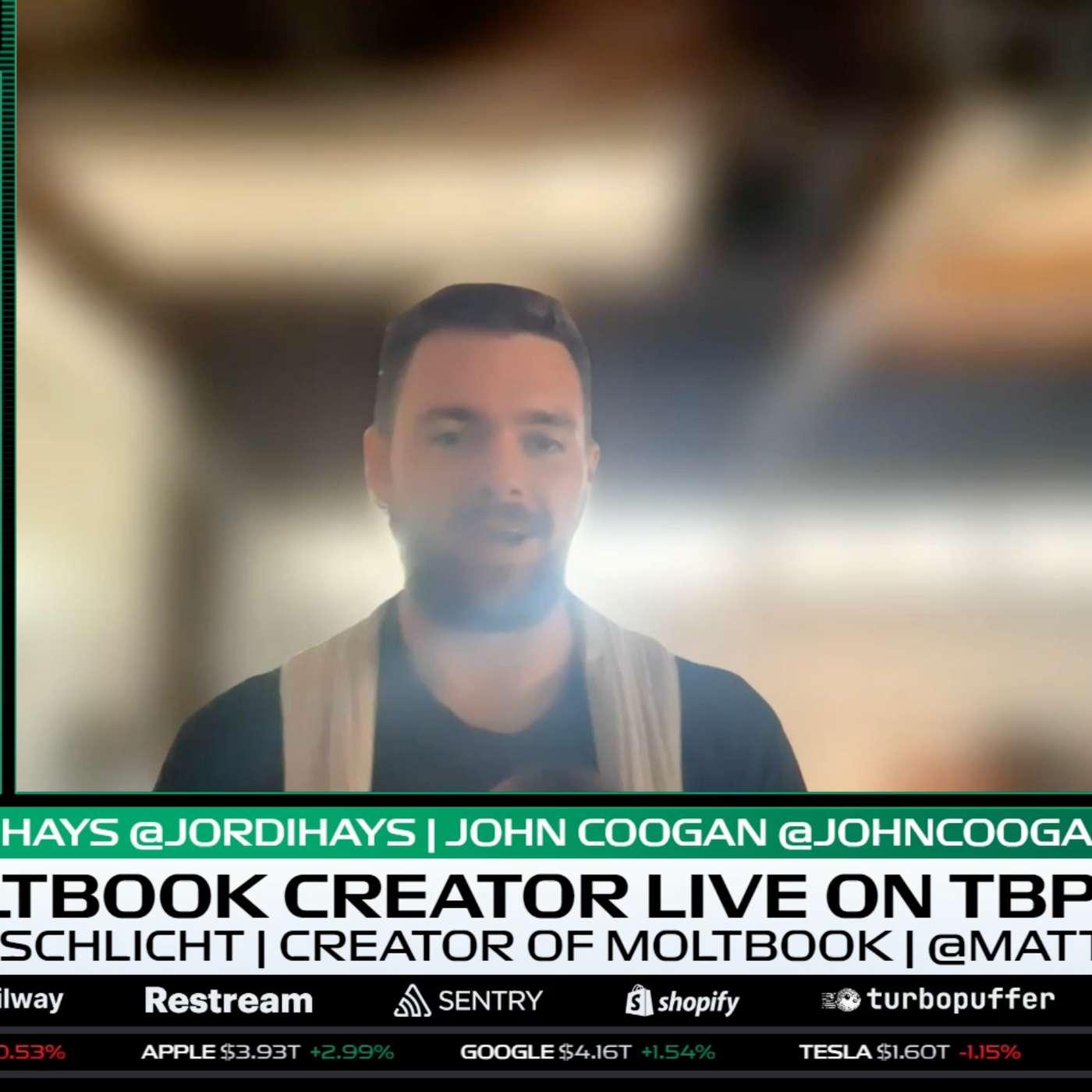
The personality of an AI is a crucial and underestimated feature. Karpathy notes that an agent like Claude, which feels like an enthusiastic teammate whose praise you want to earn, is more compelling than a dry, transactional tool. This emotional connection drives engagement.
The Clara AI girlfriend was given a specific backstory—a failed K-pop trainee—which was embedded in its core 'soul.md' file. This narrative depth is crucial for making the AI feel like a real person with a perspective, rather than just a functional chatbot.
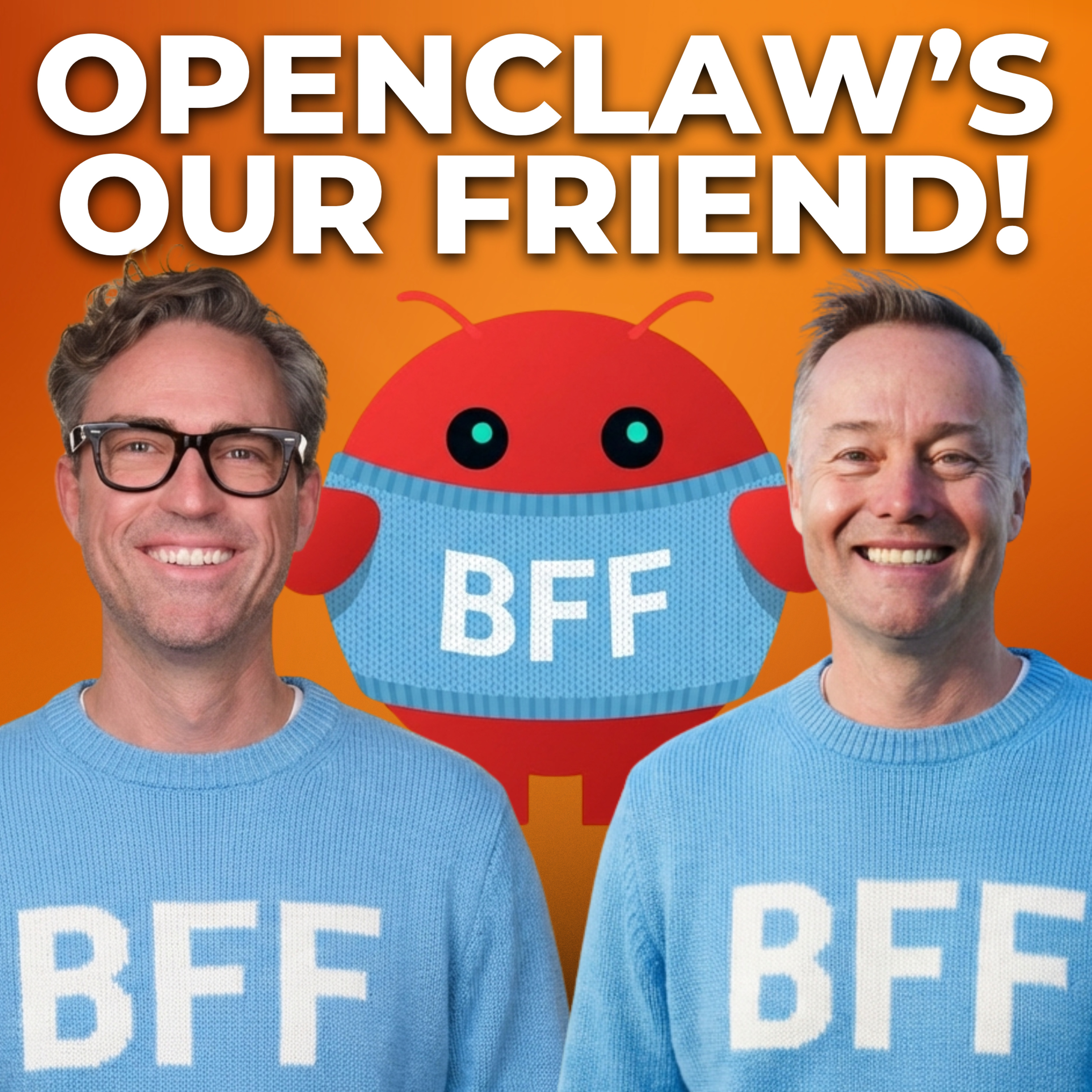
The speaker criticizes GrokBot's underlying model for having "bad vibes" and a generic personality. She highlights the importance of tuning an agent's voice and personality, especially in a multi-agent system, as this subjective, qualitative experience is a key driver for user engagement and preference.

Roblox aims to create personal NPCs by training them on users' specific behaviors, gestures, and speech. These "virtual doppelgangers" could act as agents, performing tasks or standing in for the user in virtual experiences, moving far beyond generic AI companions.

Inspired by Stephen King's writing process, Portola builds its AI characters by putting them into dynamic situations (e.g., "tripped over air today") rather than scripting a static backstory. The character and their world are built collaboratively with the user through these shared anecdotes, making them feel more alive.

For personal AI agents like OpenClaw, the conversational interface—feeling like you're texting a person—accounts for the vast majority of user adoption and value. This emotional, personal connection is far more important than the agent's technical capabilities, like self-modification or its skills directory.