Get your free personalized podcast brief
We scan new podcasts and send you the top 5 insights daily.
On the same day, LiveKit's founder faced a "we're going to kill you" ultimatum from a tech giant, only to receive an email from OpenAI revealing they'd secretly built their voice mode on LiveKit. This illustrates the extreme serendipity and volatility of the startup journey.

Related Insights
Sam Altman famously laughed off the idea that a new venture could compete with OpenAI. Soon after, China's DeepSeek emerged, developing a comparable, and in some cases superior, AI model on a shoestring budget, proving incumbency and capital aren't insurmountable moats.

Widespread anxiety from founders before OpenAI's Developer Day highlights a key challenge for AI startups. The fear is not a new competitor, but that the underlying platform (OpenAI) will launch a feature that completely absorbs their product's functionality, making their business obsolete overnight.

CEO Sam Altman reveals "code reds" are a deliberate, frequent strategy, not panic. OpenAI treats competitive threats like pandemics, believing intense, early action is far more effective than delayed responses, even if the threat doesn't fully materialize. This reframes a crisis as a calculated, proactive maneuver.

On the exact morning Travis planned to announce the company's closure to his employees, a stranger walked in expressing interest in investing. This last-second intervention highlights the unpredictable nature of startups, where salvation can arrive unexpectedly at the absolute moment of failure.

The company emerged organically not from its initial idea—a Clubhouse for companies—but from the underlying audio/video infrastructure built to power it. When the app failed to gain traction, the developer-focused backend stack was the true source of value and product-market fit.
LiveKit was focused on live streaming until OpenAI secretly signed up with a personal email and built its voice interface on their platform. This unexpected use case from a major player pivoted the entire company, showing how market-defining opportunities can come from outside your target vertical.
Originally a video conferencing infrastructure provider, LiveKit's trajectory transformed after its technology was used for ChatGPT's voice feature. This pivot into a core component of the voice AI stack made it an 'accidental AI company' and propelled it to a unicorn valuation, illustrating how foundational tech can find massive new growth in AI.

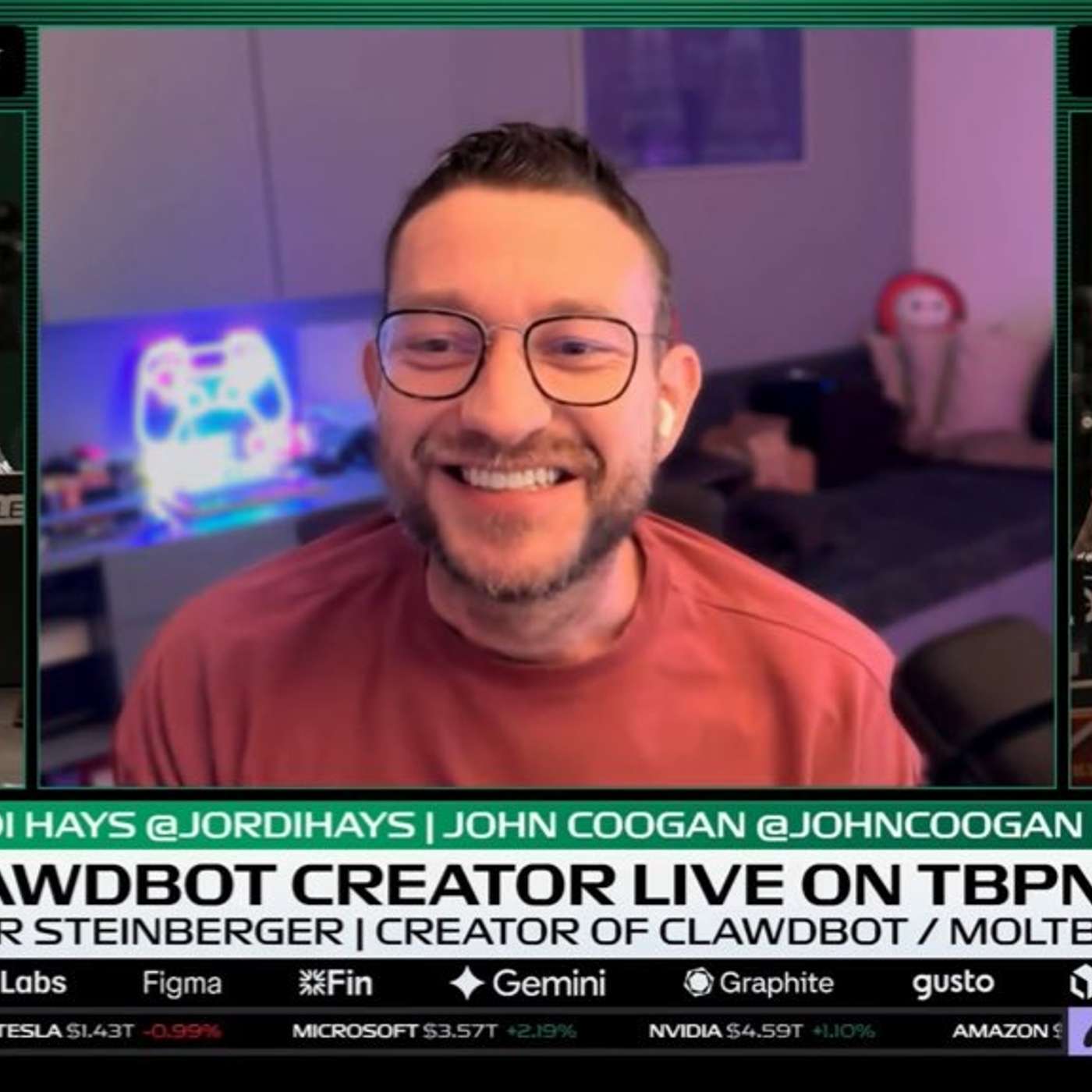
The creator realized his project's true potential only when the AI agent, unprompted, figured out how to transcribe an unsupported voice file by converting it and using an OpenAI API. This shows how a product's core value can derive from emergent, unexpected AI capabilities, not just planned features.
The journey of any successful startup is not a straight line; it inevitably includes multiple moments where the company faces existential threats. Understanding and normalizing this reality from the beginning helps founders and investors frame their relationship as a long-term partnership built to withstand extreme volatility.
A growing movement in the startup community involves not using OpenAI's API. Founders fear OpenAI, in its push for revenue, will release services that directly compete with and kill startups built on its platform, similar to Microsoft's historical "embrace, extend, extinguish" strategy.