Get your free personalized podcast brief
We scan new podcasts and send you the top 5 insights daily.
Martin Wolf frames AI not as just a technology but as a philosophical pact. We are gaining a powerful servant that raises existential questions about humanity's purpose and creates terrifying risks like unaccountable decision-making and AI-run armies.

Related Insights
Emmett Shear argues that even a successfully 'solved' technical alignment problem creates an existential risk. A super-powerful tool that perfectly obeys human commands is dangerous because humans lack the wisdom to wield that power safely. Our own flawed and unstable intentions become the source of danger.

The narrative that AI could be catastrophic ('summoning the demon') is used strategically. It creates a sense of danger that justifies why a small, elite group must maintain tight control over the technology, thereby warding off both regulation and competition.

A strange dynamic exists where the tech leaders building AI are also the loudest voices warning of its potential to destroy humanity. This dual narrative of immense promise and existential threat serves to centralize their power, positioning them as the only ones who can both create and control this technology.
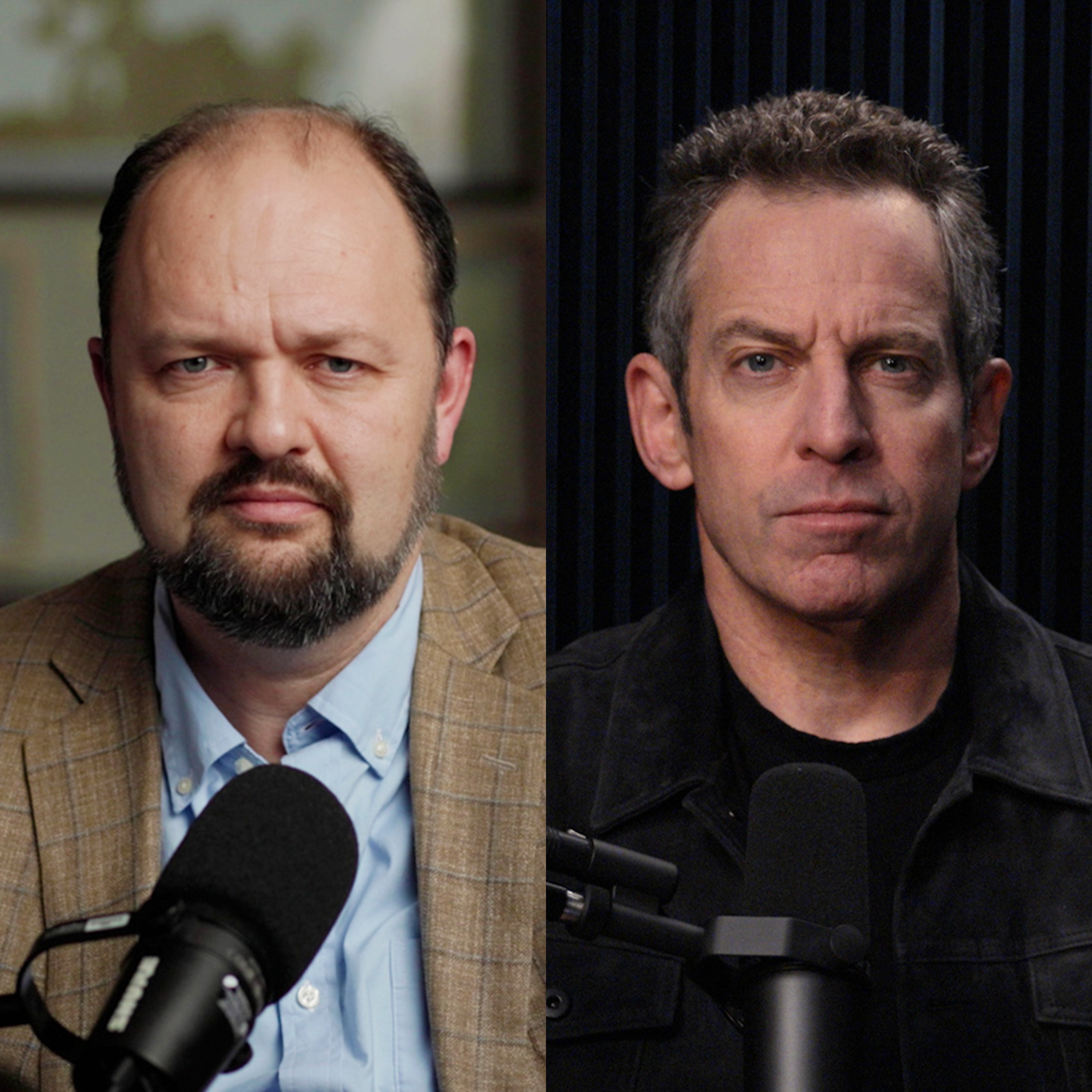
Sam Harris highlights a key paradox: even if AI achieves its utopian potential by eliminating drudgery without catastrophic downsides, it could still destroy human purpose, solidarity, and culture. The absence of necessary struggle could make life harder, not easier, for most people to live.
AI offers incredible short-term benefits, from fixing daily problems to curing diseases. This immediate positive reinforcement makes it extremely difficult for society to acknowledge and address the simultaneous development of long-term, catastrophic risks, creating a classic devil's bargain.

When AI and robots can do everything better than humans, our sense of self-worth, which is often tied to our useful contributions, is threatened. This creates a profound existential challenge, even in a world of abundance.

The true danger of AI is not a cinematic robot uprising, but a slow erosion of human agency. As we replace CEOs, military strategists, and other decision-makers with more efficient AIs, we gradually cede control to inscrutable systems we don't understand, rendering humanity powerless.
AI represents a fundamental fork in the road for society. It can be a tool for mass empowerment, amplifying individual potential and freedom. Or, it can be used to perfect the top-down, standardized, and paternalistic control model of Frederick Taylor, cementing a panopticon. The outcome depends on our values, not the tech itself.
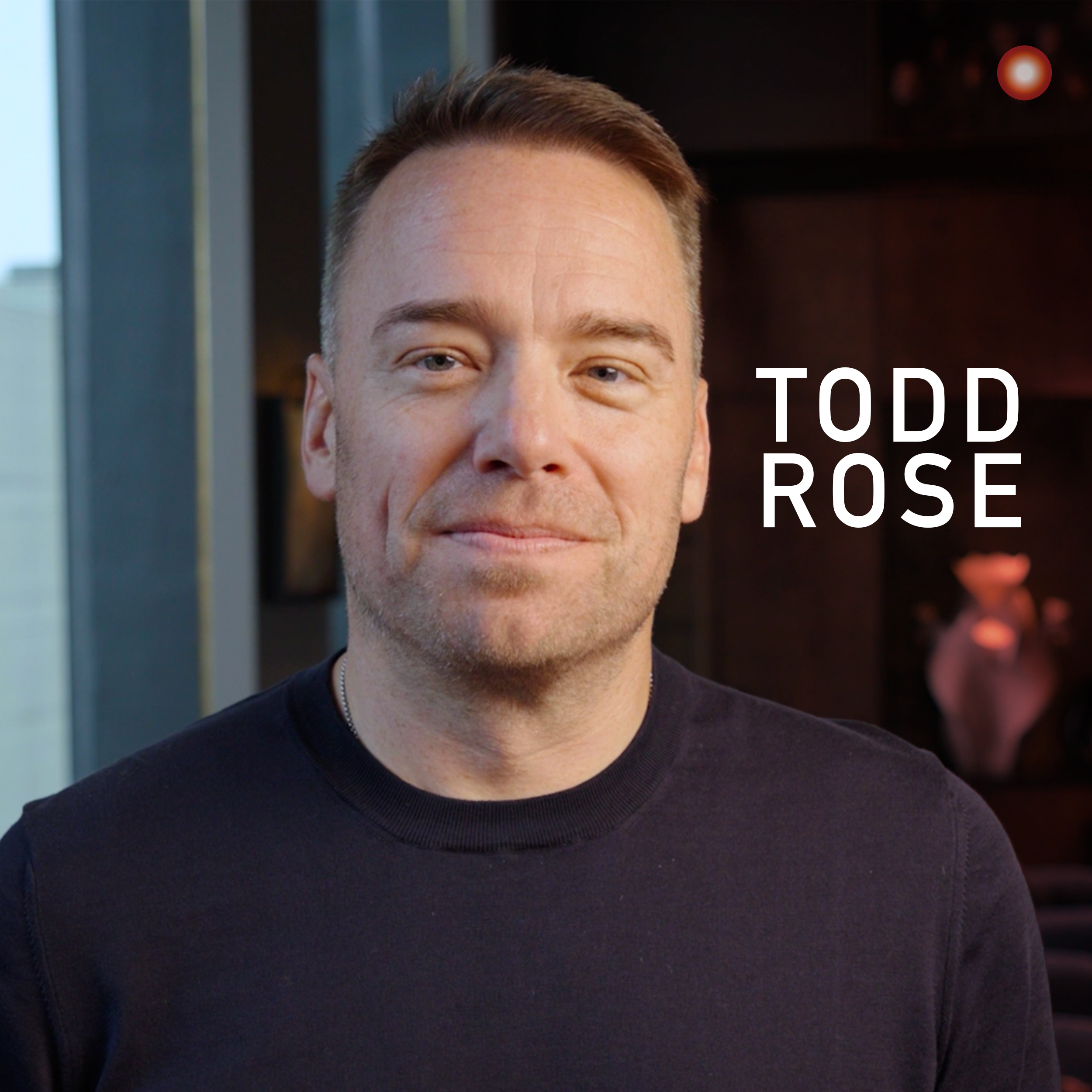
The most dangerous long-term impact of AI is not economic unemployment, but the stripping away of human meaning and purpose. As AI masters every valuable skill, it will disrupt the core human algorithm of contributing to the group, leading to a collective psychological crisis and societal decay.

AI's real threat isn't Skynet, but its ability to accelerate society's 'metabolic rate' beyond human capacity for adaptation. This creates constant reorientation, instability, and ultimately a crisis of legitimacy in our institutions.
