Get your free personalized podcast brief
We scan new podcasts and send you the top 5 insights daily.
AI represents a fundamental fork in the road for society. It can be a tool for mass empowerment, amplifying individual potential and freedom. Or, it can be used to perfect the top-down, standardized, and paternalistic control model of Frederick Taylor, cementing a panopticon. The outcome depends on our values, not the tech itself.
Related Insights
The most pressing danger from AI isn't a hypothetical superintelligence but its use as a tool for societal control. The immediate risk is an Orwellian future where AI censors information, rewrites history for political agendas, and enables mass surveillance—a threat far more tangible than science fiction scenarios.

The most immediate danger of AI is its potential for governmental abuse. Concerns focus on embedding political ideology into models and porting social media's censorship apparatus to AI, enabling unprecedented surveillance and social control.
For some policy experts, the most realistic nightmare scenario is not a rogue superintelligence but a socio-economic collapse into techno-feudalism. In this future, AI concentrates power and wealth, creating a rentier state with a small ruling class and a large population with minimal economic agency or purpose.

Once AI surpasses human intelligence, raw intellect ceases to be a core differentiator. The new “North Star” for humans becomes agency: the willpower to choose difficult, meaningful work over easy dopamine hits provided by AI-generated entertainment.
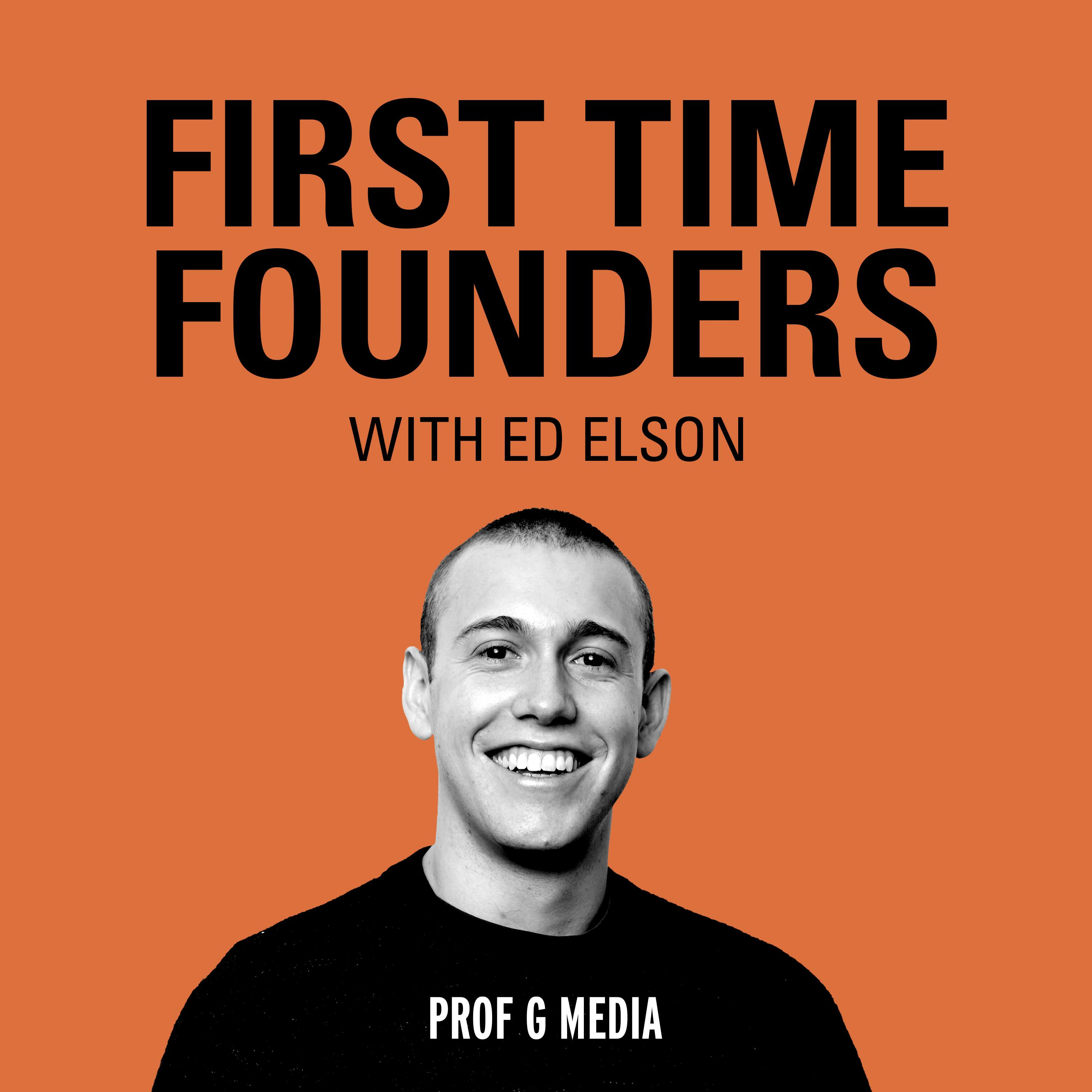
Dr. Li rejects both utopian and purely fatalistic views of AI. Instead, she frames it as a humanist technology—a double-edged sword whose impact is entirely determined by human choices and responsibility. This perspective moves the conversation from technological determinism to one of societal agency and stewardship.
AI experts like Eric Schmidt and Henry Kissinger predict AI will split society into two tiers: a small elite who develops AI and a large class that becomes dependent on it for decisions. This reliance will lead to "cognitive diminishment," where critical thinking skills atrophy, much like losing mental math abilities by overusing a calculator.
Contrary to fears of a forced, automated future, AI's greatest impact will be providing 'unparalleled optionality.' It allows individuals to automate tasks they dislike (like reordering groceries) while preserving the ability to manually perform tasks they enjoy (like strolling through a supermarket). It's a tool for personalization, not homogenization.

While making powerful AI open-source creates risks from rogue actors, it is preferable to centralized control by a single entity. Widespread access acts as a deterrent based on mutually assured destruction, preventing any one group from using AI as a tool for absolute power.

Dr. Fei-Fei Li warns that the current AI discourse is dangerously tech-centric, overlooking its human core. She argues the conversation must shift to how AI is made by, impacts, and should be governed by people, with a focus on preserving human dignity and agency amidst rapid technological change.

The 1990s 'Sovereign Individual' thesis is a useful lens for AI's future. It predicts that highly leveraged entrepreneurs will create immense value with AI agents, diminishing the power of nation-states, which will be forced to compete for these hyper-productive individuals as citizens.