Get your free personalized podcast brief
We scan new podcasts and send you the top 5 insights daily.
While other addictions are stigmatized, workaholism is often praised as ambition and dedication. This societal approval allows individuals to mask underlying issues like trauma or low self-worth, receiving positive reinforcement for behavior that is just as destructive as any other process addiction.

Related Insights
The obsession with busyness and staying "ahead" isn't about ambition; it's a manifestation of the belief that by controlling everything, you can avoid being caught off guard and finally feel safe. This is a trap that leads directly to burnout.

High-achievers often get stuck in a cycle of setting and conquering goals. This relentless pursuit of achievement is a dangerous trap, using the temporary validation of success and busyness as a way to avoid confronting deeper questions about purpose and fulfillment.

Society rewards hyper-independence, but it's often a coping mechanism to avoid relational vulnerability. This external validation creates a vicious cycle, leading to external success but profound internal disconnection and loneliness, as the behavior is both protective and culturally applauded.

Perpetual activity—whether through work, art, or even literal running—can serve as a powerful mechanism to escape looking inward. For individuals struggling with self-loathing, staying in constant motion prevents the stillness required to confront painful feelings about themselves.
Career success is a poor indicator of a person's inner state. A high-achiever can exhibit immense "outer resilience" while their unresolved trauma manifests internally as chronic illness, addiction, or anxiety. Leaders shouldn't assume top performers are okay.

Many successful men maintain a perfectionist image rooted in childhood conditioning where love was conditional. When they inevitably fall short, they experience intense shame. Instead of seeking help, they self-medicate with various vices to cope, leading to a private downward spiral.
Psychiatrist Anna Lemke details her own obsession with romance novels, which began innocently but escalated to needing more graphic content, hiding her reading, and losing interest in family and work. Her story shows how any highly reinforcing behavior, not just illicit drugs, can become a true addiction.
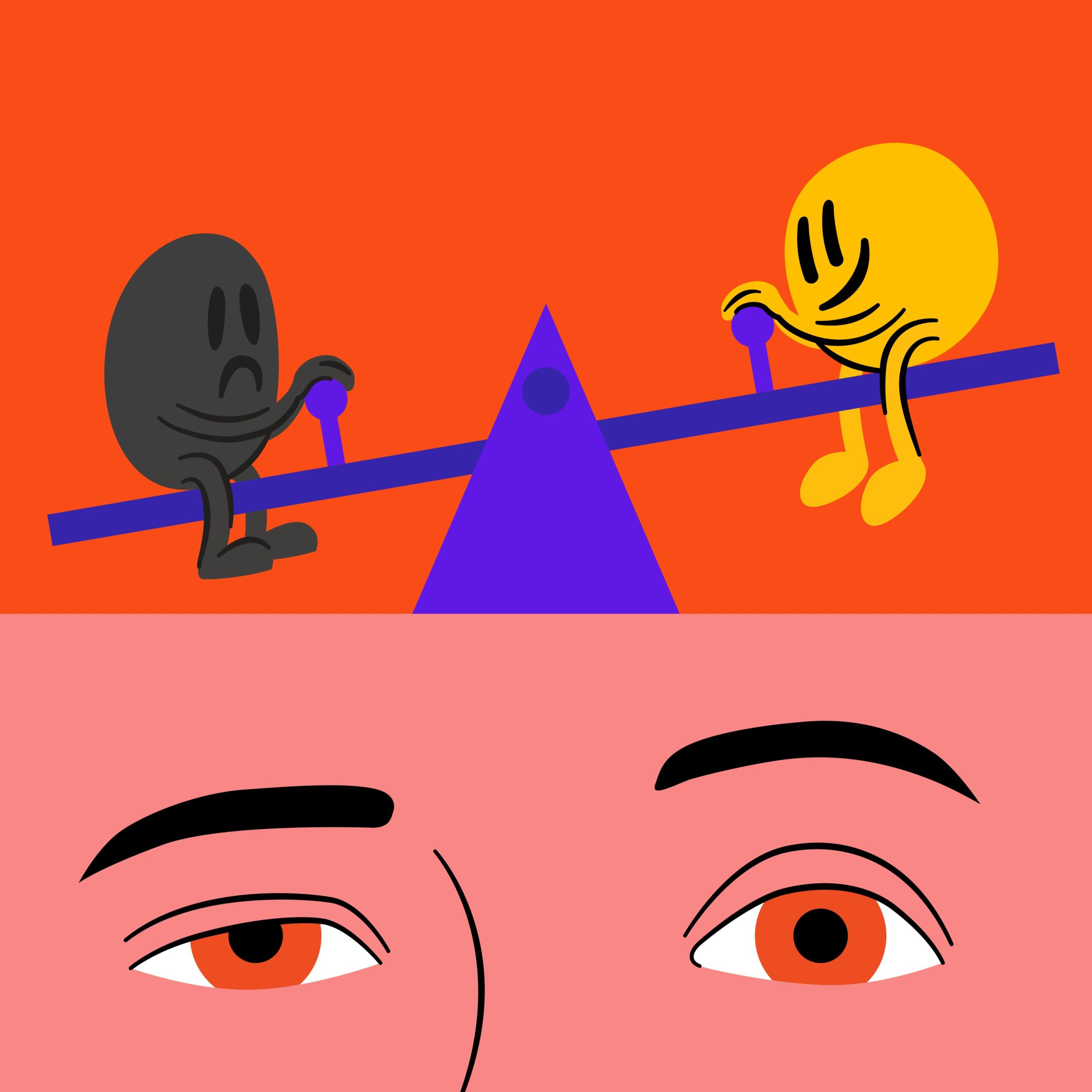
Many high-performing men are aware of their deep-seated emotional issues but actively avoid addressing them. They hold a profound fear that delving into their trauma will destabilize them, compromise their professional edge, and ultimately destroy the very success they've worked so hard to build.
High achievers often use work as a distraction to control something when life feels chaotic. This is an unsustainable coping mechanism. If you consistently ignore emotional needs and warning signs, your body will eventually rebel, leading to severe physical health crises.

Society rewards the ability to outwork and out-suffer others, reinforcing it as a valuable trait. However, this skill is not compartmentalized. It becomes toxic in private life, leading high-achievers to endure maladaptive levels of suffering in their relationships and health, unable to switch it off.