Get your free personalized podcast brief
We scan new podcasts and send you the top 5 insights daily.
Unlike Google Search where users habitually skip sponsored results, TikTok users are not yet conditioned to identify branded "Search Hubs" as ads. This creates a valuable, short-term opportunity for brands to capture high-intent search traffic and gain market share before user behavior adapts and ad-blindness develops.

Related Insights
Unlike older algorithms that recommend content based on long-term follow history, TikTok's model prioritizes recent engagement. This 'TikTokification' across platforms means algorithms can now find an audience for off-niche content if it aligns with a viewer's immediate, short-term interests.

Platforms like TikTok and Instagram now use AI algorithms to show users content they are interested in, regardless of whether they follow the creator. This shift means brands can achieve massive reach without a large following by creating content that strongly appeals to niche interests.

Social media platforms heavily promote new features to drive adoption. By being an early user of TikTok's 'Bulletin Boards'—a feature similar to Instagram's broadcast channels—brands can gain a significant, temporary advantage in reach and visibility before the feature becomes saturated and algorithmic priority fades.
The potential for a new, unknown account to achieve massive organic reach on TikTok is greater than it has ever been on any other major social platform, including the early days of Facebook, Instagram, or YouTube. This creates a unique, time-sensitive opportunity for brand building.
Creator marketing's impact extends beyond direct platform metrics. A viral video builds 'mental real estate' and top-of-funnel awareness, leading to a measurable spike in branded search queries on platforms like Google and even e-commerce marketplaces like Amazon. This creates a powerful, albeit hard-to-quantify, discovery flywheel.

TikTok Shop success creates a powerful "spillover" effect. Users see a product on TikTok, then search for it directly on Amazon for faster shipping. This high-intent, search-to-purchase behavior signals relevance to Amazon's algorithm, dramatically boosting the product's sales rank for key terms.
Early platforms like TikTok are 'beachfront property' because user attention (demand) vastly outstrips the amount of content and ads (supply). This creates a huge opportunity for organic reach. Mature platforms like Instagram are saturated, making it exponentially harder to gain attention.
Over 50% of Gen Z now start product discovery on TikTok or Instagram. Crucially, Google has begun indexing social media content, including video transcripts and comments. Marketers must shift from clever captions to intentional, keyword-rich text to ensure their content is discoverable in this new search ecosystem.

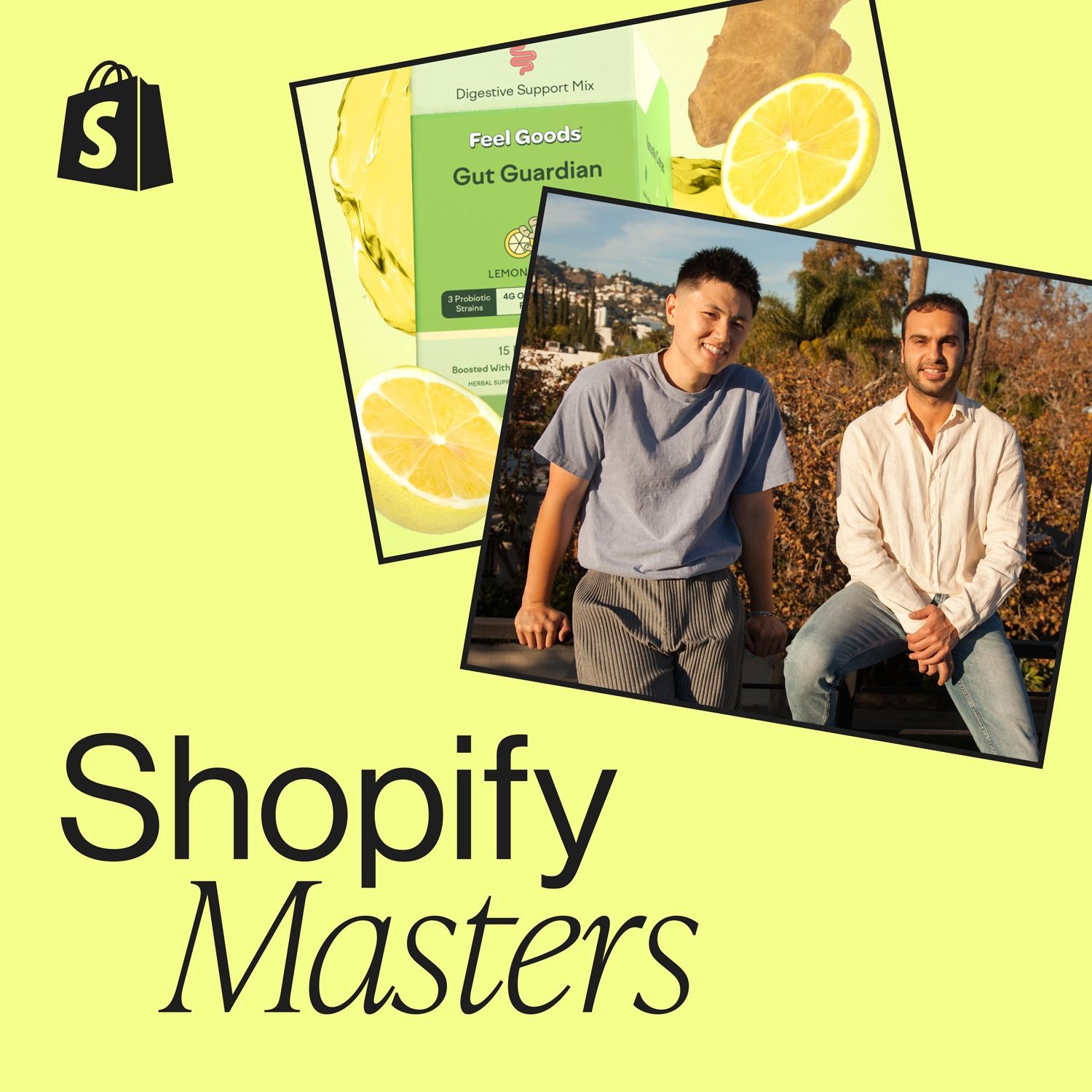
Instead of paying to test ad creative on Meta, Feel Goods posts short-form videos on TikTok. Videos that gain organic traction are then repurposed and promoted as paid ads on Meta, saving significant testing costs and ensuring proven concepts are scaled.
Platforms like TikTok fundamentally shifted content delivery from a "social graph" (friends) to an "interest graph" (hobbies, topics). This means businesses can now reach highly engaged audiences who don't follow them, making organic discovery more powerful than ever.