Get your free personalized podcast brief
We scan new podcasts and send you the top 5 insights daily.
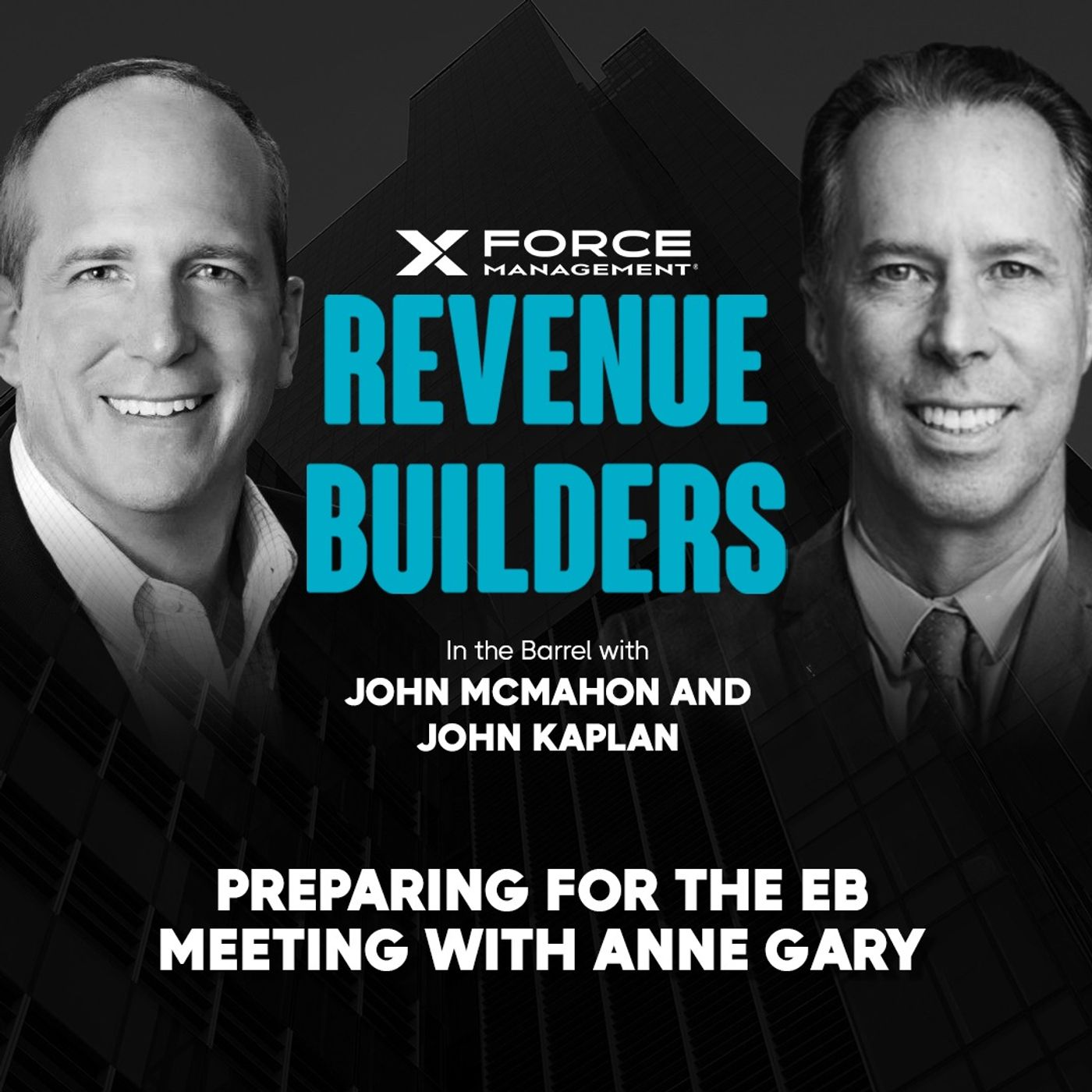
Act as a strategic partner, not a vendor, by analyzing a prospect's annual reports, 10Ks, and shareholder letters. Use this research to inform them about strategic risks or business issues they haven't considered, immediately differentiating you from competitors who just ask basic discovery questions.
Related Insights
To truly resonate with an economic buyer, align your solution to the specific KPIs they are personally accountable for. These metrics often differ from those of your champion or general corporate objectives like revenue and cost savings, requiring tailored messaging.
Stop trying to convince executives to adopt your priorities. Instead, identify their existing strategic initiatives—often with internal code names—and frame your solution as an accelerator for what they're already sold on doing. This dramatically reduces friction and speeds up deals.
To effectively influence partners, you must understand their priorities. A scrappy research method is to watch their executives' public interviews or internal all-hands meetings. This reveals their strategic goals and allows you to frame your proposal in their language, increasing its resonance.

True problem agreement isn't a prospect's excitement; it's their explicit acknowledgment of an issue that matters to the organization. Move beyond sentiment by using data, process audits, or reports to quantify the problem's existence and scale, turning a vague feeling into an undeniable business case.
To stay top-of-mind with prospects who aren't ready to buy, map out the critical decisions they'll face around a compelling event. By providing resources that help them navigate these inherent challenges (e.g., compliance, tax), you become a trusted advisor, not just another vendor waiting for an opportunity.

By proactively asking about potential deal-killers like budget or partner approval early in the sales process, you transform them from adversarial objections into collaborative obstacles. This disarms the buyer's defensiveness and makes them easier to solve together, preventing them from being used as excuses later.

To sell effectively, avoid leading with product features. Instead, ask diagnostic questions to uncover the buyer's specific problems and desired outcomes. Then, frame your solution using their own words, confirming that your product meets the exact needs they just articulated. This transforms a pitch into a collaborative solution.

In the first minute of a cold call, resist the urge to pitch your product. Instead, lead with a 'reverse pitch' that focuses entirely on the prospect's potential problems. This approach is three times more effective than using solution-focused language, as it speaks to what the buyer actually cares about.

Don't just list all your features. To build a strong 'why us' case, focus on the specific features your competitors lack that directly solve a critical, stated pain point for the client. This intersection is the core of your unique value proposition and the reason they'll choose you.

A common marketing mistake is being product-centric. Instead of selling a pre-packaged product, first identify the customer's primary business challenge. Then, frame and adapt your offering as the specific solution to that problem, ensuring immediate relevance and value.
