Get your free personalized podcast brief
We scan new podcasts and send you the top 5 insights daily.
Despite their popularity, zero-day options are essentially coin flips. Billionaire investor Bill Ackman, with his extensive resources, admits he cannot predict single-day market movements. This underscores that anyone claiming to have a system for these short-term options is not investing.
Related Insights
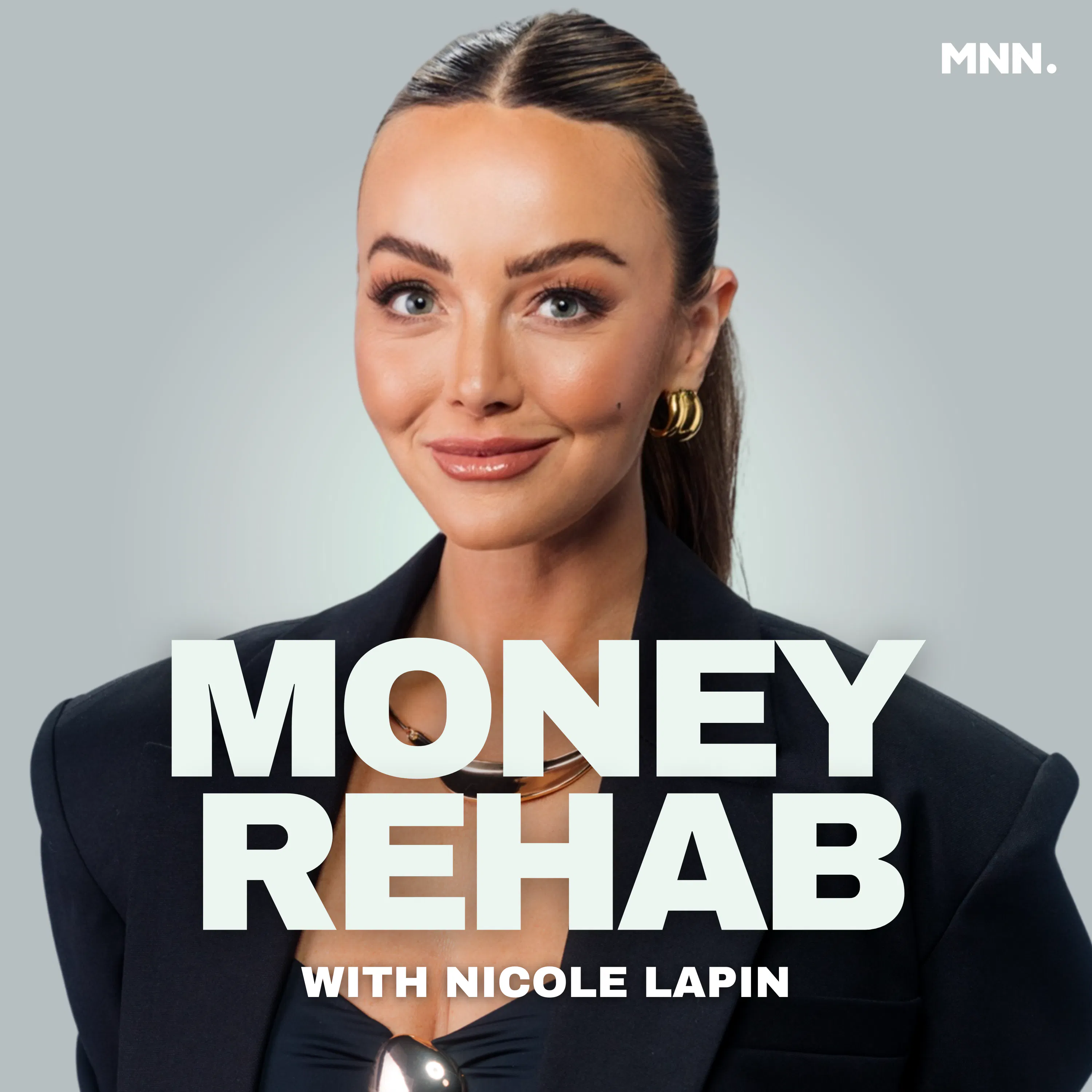
Financial personality Vivian Tu warns against platforms marketing "prediction markets" as an investment class. She clarifies they are simply a modern form of gambling on outcomes, akin to sports betting, and will likely deplete wealth rather than build it.
The long-held belief that visible, liquid prediction markets would improve collective wisdom and decision-making has been falsified. In practice, platforms like Polymarket and Kalshi are dominated by trading and gambling behavior, not the rigorous epistemic practice of forecasting.

High-excitement investments like day trading are often a form of gambling that leads to financial loss. True, sustainable wealth is built through a deliberately boring strategy, such as consistent, long-term investments in broad-market index funds.

Platforms for "trading" on world events are fundamentally gambling, not investing. True investing involves owning an underlying asset. Betting on outcomes like a football coach's hiring has no underlying asset, making it equivalent to a casino bet, often fueled by economic desperation.

Data shows most individuals lose money on prediction markets to bots and insiders. To manage risk, investors should use a "two-account rule": one for serious investing and a separate, smaller "funny money" account for prediction markets, treating it as entertainment, not wealth creation.

In a refreshingly candid take, former professional trader Pete Najarian confirms that options trading is a form of gambling. Unlike long-term stock ownership, the fixed expiration date of an option contract creates a time-bound, high-stakes outcome that mirrors the dynamics of a wager, albeit an educated one.

AI models can predict short-term stock prices, defying the efficient market hypothesis. However, the predictions are only marginally better than random, with an accuracy akin to "50.1%". The profitability comes not from magic, but from executing this tiny statistical edge millions of times across the market.

Warren Buffett's analogy highlights the stock market's dual nature. While it facilitates long-term value investing ('the church'), it also attracts a record number of people engaging in short-term, speculative gambling ('the casino'), especially with instruments like one-day options.

A study found that people given tomorrow's headlines still performed poorly in simulated trading. Their failure wasn't in predicting market direction, but in sizing bets appropriately. Professionals outperform not by having a better crystal ball, but by skillfully modulating investment size based on their level of confidence, even choosing not to bet at all on some days.

Framing investing as a form of gambling—even low-volatility, long-term strategies—forces an honest acknowledgment of inherent risk. This mindset prevents the dangerous and false assumption that investing is a guaranteed, "only up" phenomenon, leading to better decision-making.
