Get your free personalized podcast brief
We scan new podcasts and send you the top 5 insights daily.
Marketers obsess over maintaining a cohesive 'matching luggage' brand across channels. However, this focus is misplaced if the underlying creative was never validated by real data. The priority should be testing ideas with organic content before scaling them, regardless of cross-channel strategy.

Related Insights
Marketing decisions should not be based on internal team members' subjective preferences, such as "I wouldn't click on that." Your team is not your target audience. A culture of A/B testing ideas should always take precedence over personal opinions to avoid a bad marketing environment.

Instead of brainstorming subjectively and then seeking data to support a favorite idea, start with audience insights. Analyzing what content people already engage with defines the creative sandbox, leading to more effective campaigns from the outset and avoiding resource-draining failures.

Stop guessing in boardrooms. Test creative concepts as organic social posts first. The platform's AI algorithm will reveal true audience relevance. Only use paid media to amplify the content that has already proven to over-index organically, ensuring ad dollars support winning ideas.
The 'Mad Men' era of relying on a creative director's gut feel is obsolete. Many leaders still wrongly judge marketing creative based on their personal taste ('I don't like that picture'). The correct modern approach is to deploy content and use the resulting performance data to make informed decisions.
Before allocating media spend, post content organically. The unaided reach and engagement it achieves serve as a direct, measurable indicator of the creative's quality and market resonance. This data turns the subjective 'art' of creative into a quantifiable metric for making ad-buying decisions.
Marketing decisions should be driven by testing and data, not by the subjective opinions of internal stakeholders. The phrase "I wouldn't click on that" is a red flag for a poor marketing environment that lacks a culture of experimentation because you are not your audience.

Don't wait for large corporate campaigns to get audience feedback. Marketers should be "religiously" creating content on their personal social channels to micro-test messaging, language, and program ideas. This provides a direct, rapid feedback loop on what the audience actually cares about, enabling content-led innovation.
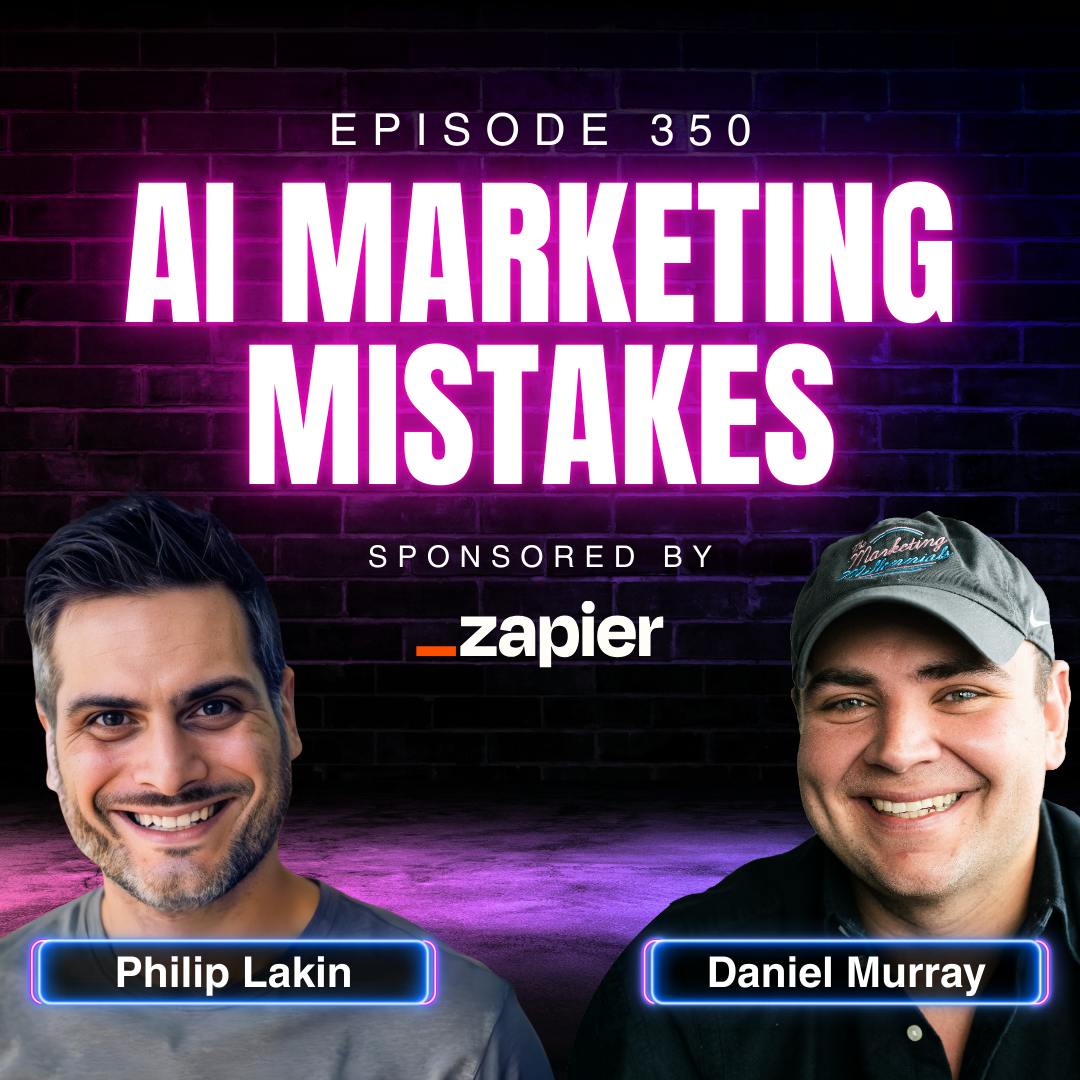
Stop planning creative and media buys simultaneously. Instead, post creative organically first. Then, exclusively allocate media spend to amplify the content that has already demonstrated strong consumer engagement, forcing creative to be effective on its own merit before receiving paid support.
In the current "interest media" era, social platforms act as a free testing ground. Post content organically, identify what performs best with the algorithm, and only then invest media dollars to amplify those proven winners, eliminating expensive guesswork.
Strict adherence to brand cohesion often stifles creativity and results in subjective boardroom debates. Brands achieve more by focusing on creating relevant, timely content that resonates with their audience, even if it occasionally breaks established stylistic guidelines.