Get your free personalized podcast brief
We scan new podcasts and send you the top 5 insights daily.
When evaluating 'AI fluency,' discerning hiring managers are less interested in a perfect, AI-generated artifact and more interested in the candidate's workflow. They want to see how a designer thinks, which tools they use, and why. The ability to articulate an experimental and evolving process is the key signal they are looking for.

Related Insights
With AI tools changing weekly, the most critical skill for designers is no longer mastery of a specific tool but a deep sense of curiosity. This drives the continuous process of asking questions, experimenting, and adapting to a rapidly evolving landscape.

A top VC's most important interview question is now "How have you used AI in your daily life this week?" The key is identifying individuals who are running towards the new technology and embracing change. This mindset is uncorrelated with age or seniority, making it the most critical hiring signal.

In the fast-evolving world of AI, the most valuable trait in a designer is a deep-seated curiosity and the self-direction to learn and build independently. A designer who has explored, built, and formed opinions on new AI products is more valuable than one with only a perfect aesthetic.

To build an AI-native team, shift the hiring process from reviewing resumes to evaluating portfolios of work. Ask candidates to demonstrate what they've built with AI, their favorite prompt techniques, and apps they wish they could create. This reveals practical skill over credentialism.

To assess a candidate's ability to use AI as a thinking partner, have them solve a problem with an LLM. The key is observing their follow-up prompts and their ability to guide the AI step-by-step, rather than just accepting the initial output.

To discern a true AI-native product manager from a tourist, ask what they have built or automated. The ability to point to specific agents created or workflows automated demonstrates deep, practical expertise, which is far more valuable than just discussing AI concepts.

Zapier's hiring process now requires candidates to demonstrate 'AI fluency' through repeatable systems that measurably improve their work. Merely using AI for one-off tasks is insufficient; they must show how AI is deeply embedded into their core workflows, setting a new bar for talent.

Top product managers view designing with AI as a holistic process. Instead of focusing solely on prompt engineering, they consider the entire workflow: understanding constraints, leveraging different AI tools for specific tasks, and maintaining human oversight to ensure quality and empathy.
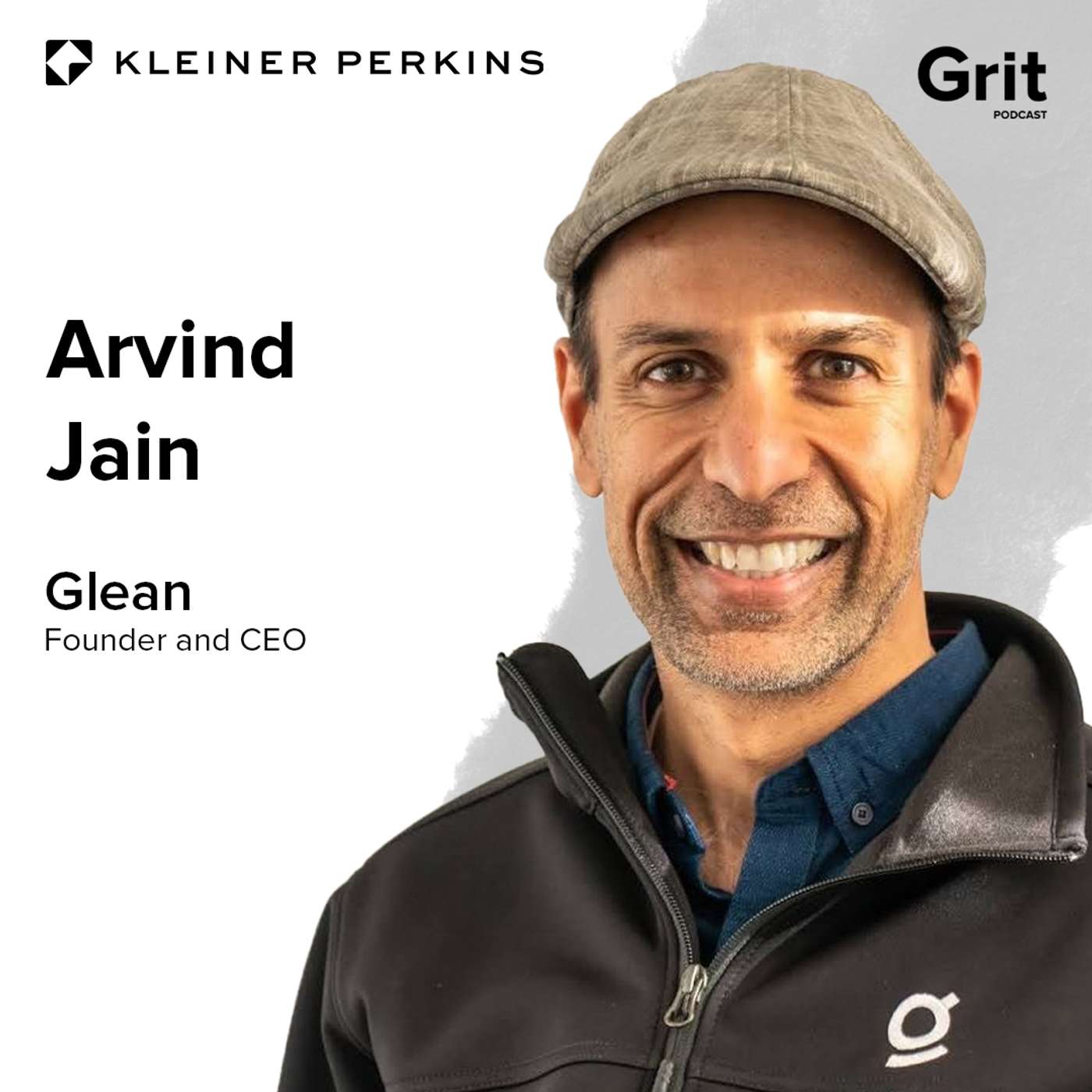
Glean has updated its interview process to screen for "AI fluency" across all departments. They don't expect expertise. Instead, they test for curiosity and initiative by asking candidates how they've personally used AI, looking for a mindset that embraces new ways of working.
Since AI assistants make it easy for candidates to complete take-home coding exercises, simply evaluating the final product is no longer an effective screening method. The new best practice is to require candidates to build with AI and then explain their thought process, revealing their true engineering and problem-solving skills.