Get your free personalized podcast brief
We scan new podcasts and send you the top 5 insights daily.
To maintain a startup feel during hyper-growth, Harvey's founders practice extreme transparency. They share board decks post-meeting and write memos about their mistakes, ensuring employees feel connected to leadership's thinking as the company scales globally.

Related Insights
Rippling's CEO models a "go and see" culture by personally investigating customer issues down to the chat logs. This top-down behavior sets the standard for the entire company, ensuring even at scale, teams stay deeply connected to the real customer experience to maintain high product quality.

Unlike the typical 2-3 founder model, Alibaba's 18 co-founders provided more "founder touchpoints" for employees as the company scaled. This maintained a strong, consistent culture and prevented the dilution that often occurs in rapidly growing startups with a small founding team.

Dario Amodei states that at Anthropic's scale (2,500 people), his most leveraged role is not direct technical oversight but maintaining culture. He achieves this through intense, direct communication, including a bi-weekly, hour-long, unfiltered address to the entire company to ensure everyone remains aligned on the mission and strategy.

As a company grows, new hires lack the context of early struggles. To preserve the original culture, formally document and share stories of early failures, pivots, and near-death experiences during onboarding. This reminds everyone of the core principles that led to success.
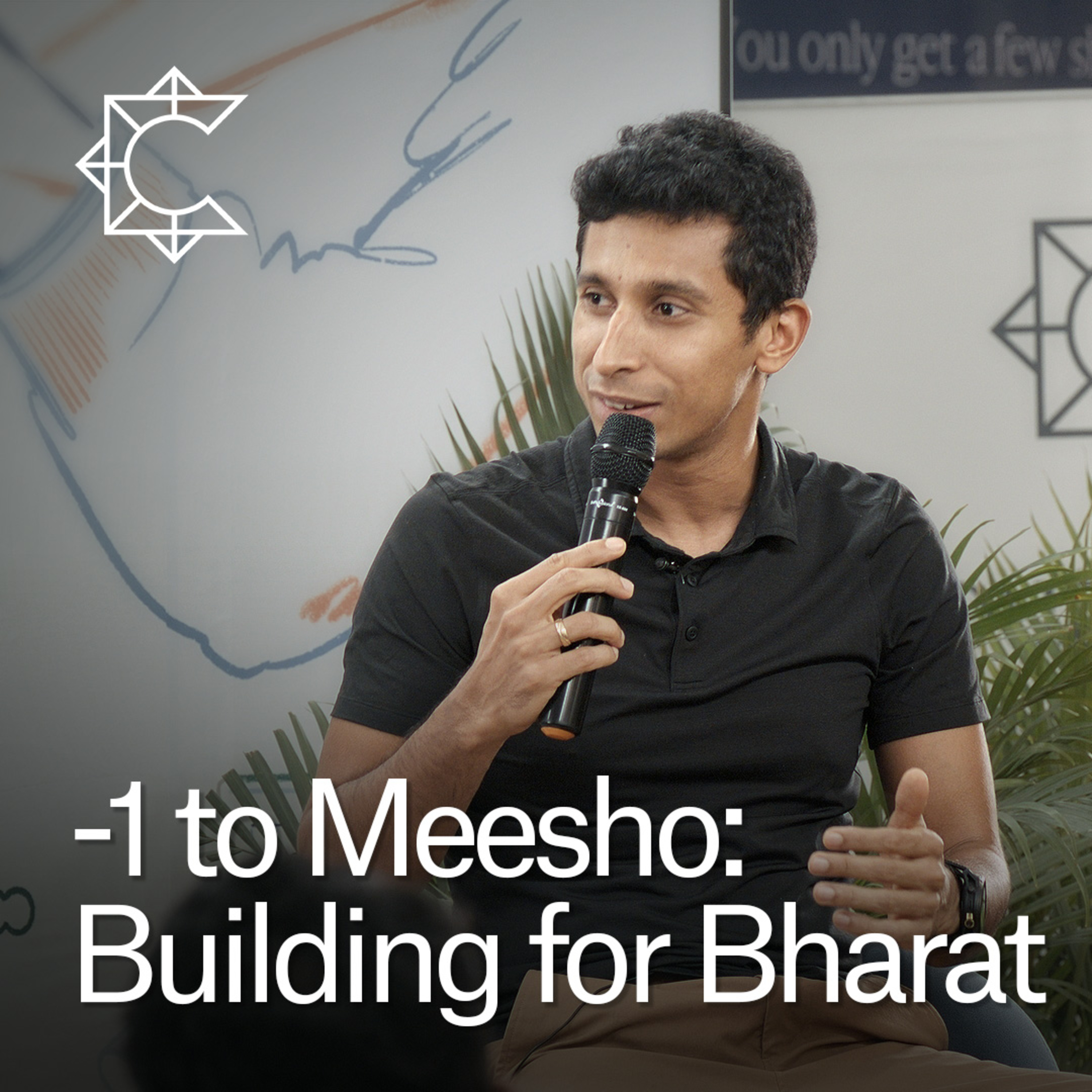
To maintain alignment and connection across his 1,000-person company, Sami Inkinen writes a detailed letter every week. This scalable communication tool covers external market context, internal updates, and personal career advice, ensuring every employee feels connected to the company's mission and strategy.

To foster transparency and continuous improvement, founder Mitchell Green conducts one-on-one meetings with every employee each year. He asks what they love/hate, what they would change, and what would make their job easier, using the feedback to enact real change.
![Mitchell Green - Lessons from Cold Calling 10,000 Companies - [Invest Like the Best, EP.464] thumbnail](https://megaphone.imgix.net/podcasts/75b94c5e-2716-11f1-9b2f-8fbf1bf324fd/image/d7dd1be81070080eb0ed10b88ca232d8.jpg?ixlib=rails-4.3.1&max-w=3000&max-h=3000&fit=crop&auto=format,compress)
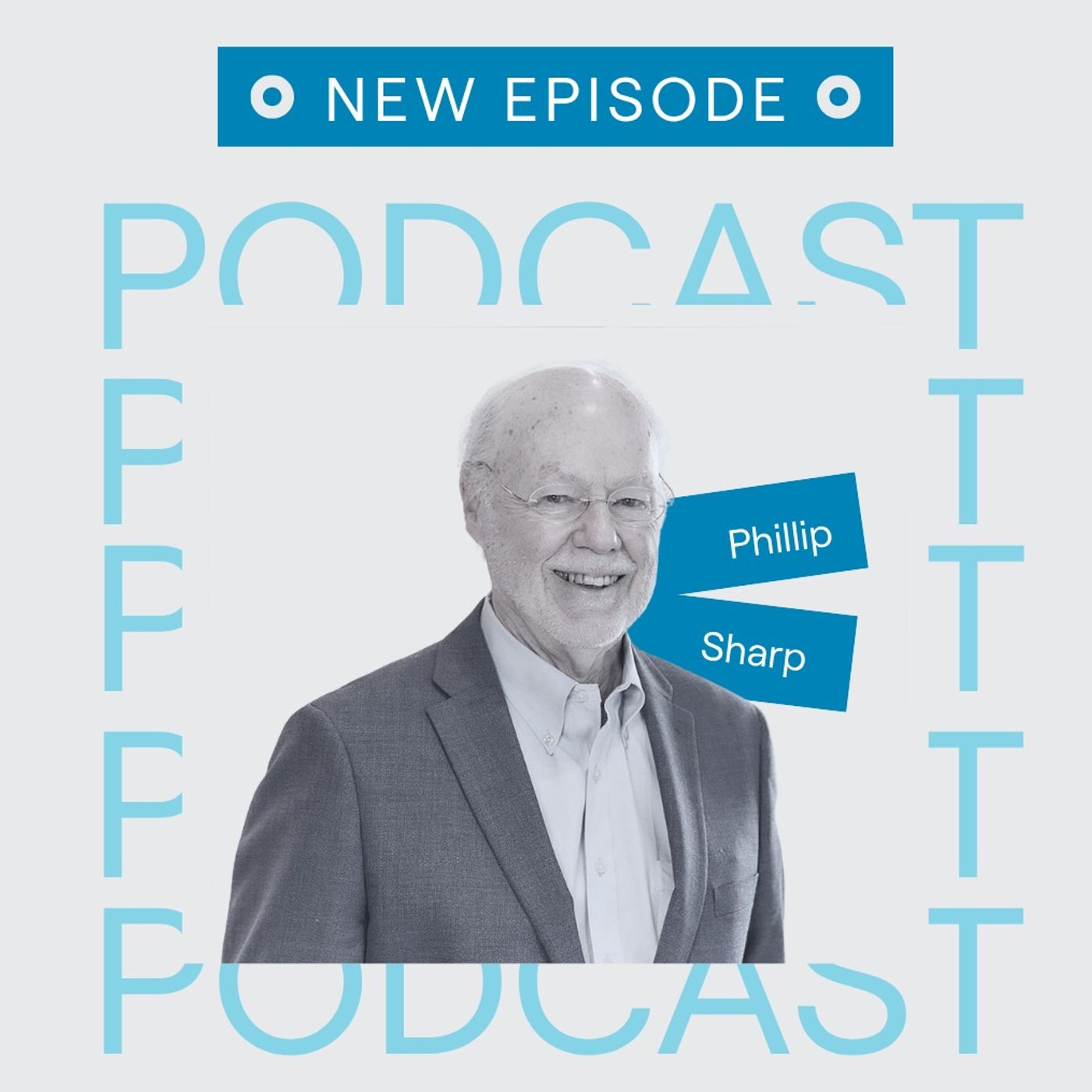
Phillip Sharp describes how Alnylam built a shared sense of purpose by including every single employee—from scientists to janitorial staff—in high-level scientific advisory board meetings. This radical transparency ensured everyone understood the core mission and challenges, fostering a deeply connected community.
Create a public document detailing your company's operating principles—from Slack usage to coding standards. This "operating system" makes cultural norms explicit, prevents recurring debates, and allows potential hires to self-select based on alignment, saving time and reducing friction as you scale.

To maintain culture during hypergrowth, Anthropic employees have "notebook channels" in Slack—like personal Twitter feeds for internal thoughts. Leaders use these to model behavior and scale their beliefs (e.g., "why we leave money on the table"), quickly aligning new hires without meetings or formal docs.
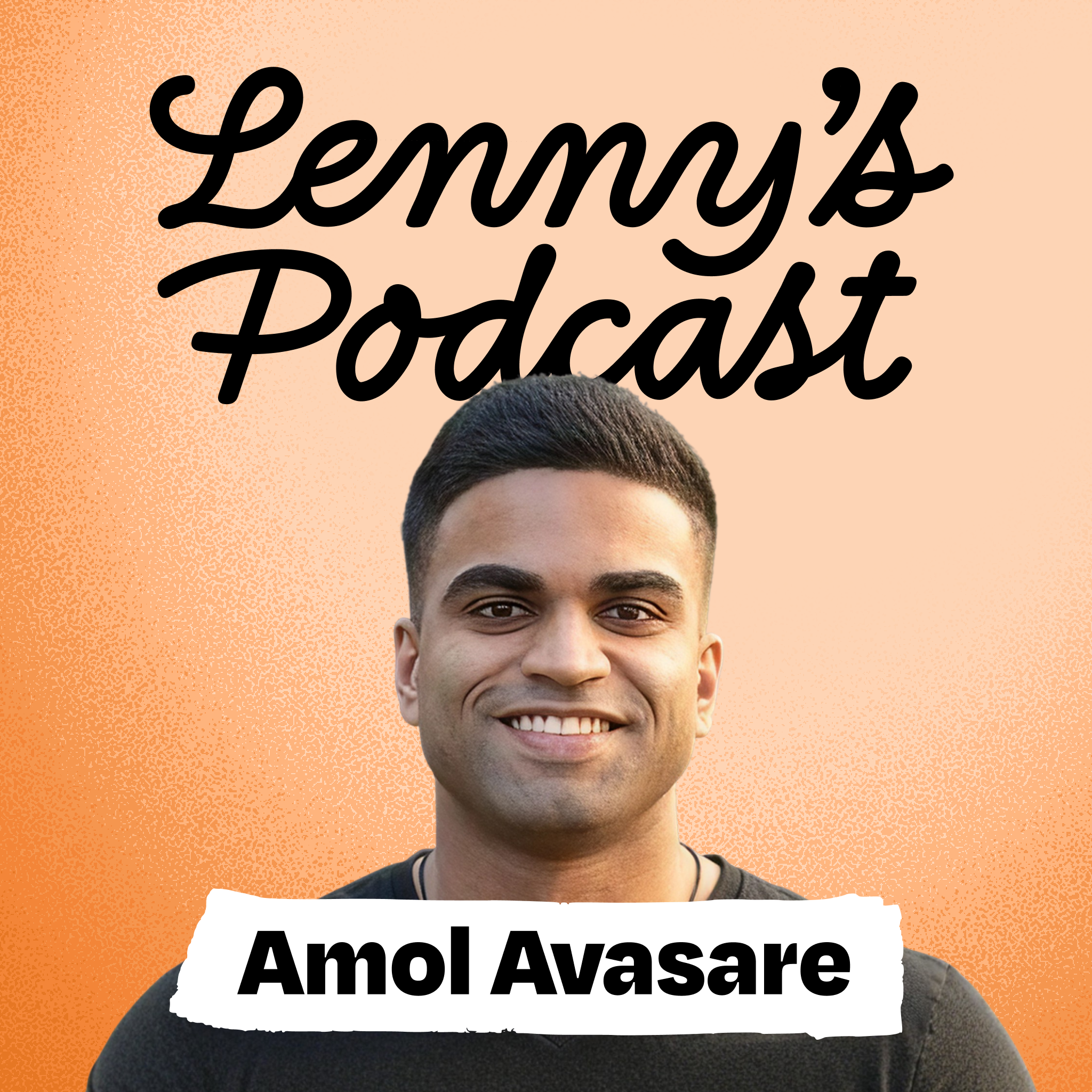
Harvey's leadership culture values the ability to switch between high-level strategy and granular execution. This hands-on approach from executives accelerates decision-making and serves as a masterclass for the team on how to operate effectively at scale.