Get your free personalized podcast brief
We scan new podcasts and send you the top 5 insights daily.
Coke Energy's failure illustrates the "brand permission" paradox. Consumers didn't believe an energy drink could taste like Coke. When the taste was altered to be more like a typical energy drink, it alienated loyalists by not tasting like Coke. The brand was trapped between two conflicting expectations.

Related Insights
The Diet vs. Zero soda battle demonstrates that for quick, everyday purchases, consumers rely on surface-level cues. The branding and associated identity ("scarcity" vs "wellness") drive decisions more than the product's actual composition, which is often nearly identical. The label effectively becomes the product.

Branding isn't a vague "feeling." It is the intentional engineering of an association between your product and a positive result in the customer's mind. For example, Coca-Cola pairs drinking their product with the outcome of "yum," making customers reach for it when they desire that feeling.

When relaunching Lucozade with less sugar, openly discussing the change created a massive negative narrative. For Ribena's relaunch, they avoided mentioning the change and ran a positive campaign instead, leading to sales growth. Don't give consumers a reason to stop loving your brand.
Brands must identify their non-negotiable "soul"—the central promise to customers. Cracker Barrel's logo change failed because it altered its core promise of "southern hospitality," breaking customer trust. Evolving is crucial, but changing the core is a mistake. Reversing such a change is smart brand stewardship, not capitulation.
Unilever's attempt to assign a sustainability "purpose" to all 400 brands faltered. When the purpose wasn't a tight, natural fit with a brand's core functional and emotional benefits (e.g., mayonnaise), it confused consumers, felt inauthentic, and resulted in wasted marketing resources.

When marketing food or beverage products, creative concepts must never create negative sensory associations. A campaign for a chocolate milkshake failed because its central stunt—a coat made of human hair—was unappetizing, directly violating the category's most fundamental rule: do not undermine taste credentials.

Coca-Cola markets a sugary beverage with no nutritional value by completely ignoring product attributes. Instead, its brand is built on emotionally resonant stories of happiness and togetherness, proving that a powerful intangible idea can be more persuasive than the tangible product itself.

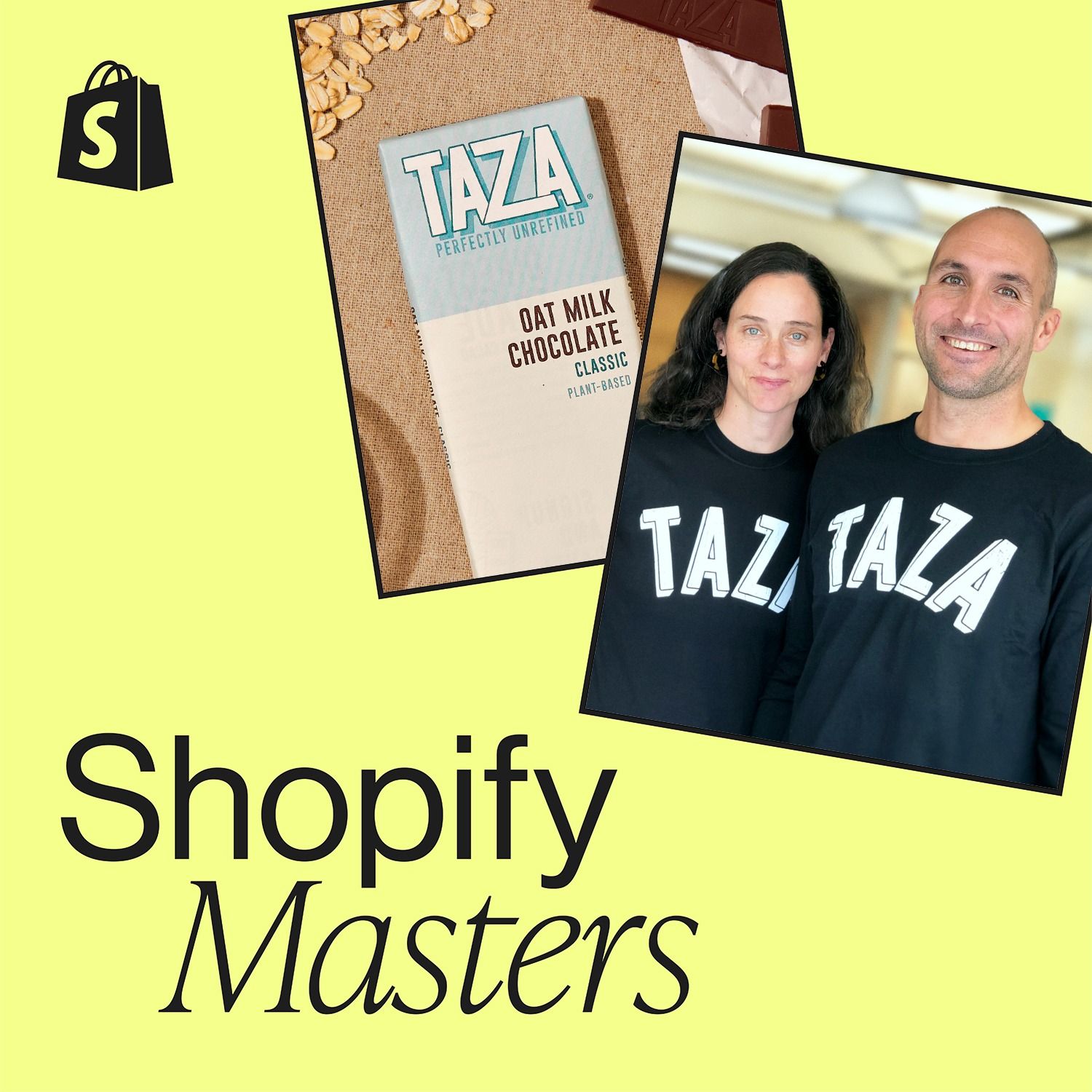
Taza resisted the huge trend of sugar-free chocolate because they couldn't create a version that met their high flavor standards. By refusing to compromise their core product principles, they maintained brand integrity, which was validated when consumer preference swung back to "real" ingredients.
Coca-Cola failed with ZICO not by changing its core quality, but by stripping away its ability to adapt. Large corporate systems, built for consistency at scale, enforce rigid processes that stifle the very nimbleness that made a challenger brand successful.

The disastrous "New Coke" launch, intended to win taste tests, triggered a massive public outcry that demonstrated the brand's deep cultural power. By bringing back "Coca-Cola Classic," the company inadvertently created the most effective marketing campaign imaginable, reminding consumers of their love for the original and halting Pepsi's momentum.