Get your free personalized podcast brief
We scan new podcasts and send you the top 5 insights daily.
The founders discovered coconut water's popularity by asking Brazilian women what they missed from home. This act of 'idea arbitrage'—identifying a successful concept in one country and introducing it to another where it doesn't exist—allowed them to become early movers in the American coconut water market.

Related Insights
PriceSmart successfully replicates the Costco model in Central America, the Caribbean, and South America—regions where there are no other major club store competitors. This 'blue ocean' strategy allows it to capture a large, underserved market segment.
![PriceSmart: Central America’s Costco - [Business Breakdowns, EP.244] thumbnail](https://megaphone.imgix.net/podcasts/d4b5c5a8-44c0-11f1-afc3-4b540c6a0f06/image/90fe441dbc13203b76a8d23d49525b28.jpg?ixlib=rails-4.3.1&max-w=3000&max-h=3000&fit=crop&auto=format,compress)
Visiting a supermarket in a foreign country is an effective way to generate new brand concepts. By observing what products exist to fulfill universal needs (like beverages or snacks) that are absent in your home market, you can identify proven concepts ripe for introduction.

Brian Smith originally moved to California on a reconnaissance mission to find a hot US product to bring back to Australia. His billion-dollar idea was a complete reversal of his initial strategy, showing the importance of being open to unexpected opportunities.

Breakthrough product ideas often originate from observing successful patterns in completely different product categories and asking how that success could be adapted to your own market, as seen in the creation of Cool Ranch Doritos.
The viral success of ube, a Filipino yam, in the U.S. demonstrates 'cultural arbitrage': identifying a product common in one culture and introducing it as a novel, premium item in another. This model, seen before with matcha, boba, and sriracha, provides a framework for entrepreneurs to spot and capitalize on new consumer trends.
Larroudé's co-founders identify their dual Brazilian-American citizenship as a key "lucky" advantage. This allowed them to understand the US consumer market while expertly navigating Brazil's massive footwear manufacturing industry. Founders should seek opportunities where their personal history provides an edge no competitor can replicate.

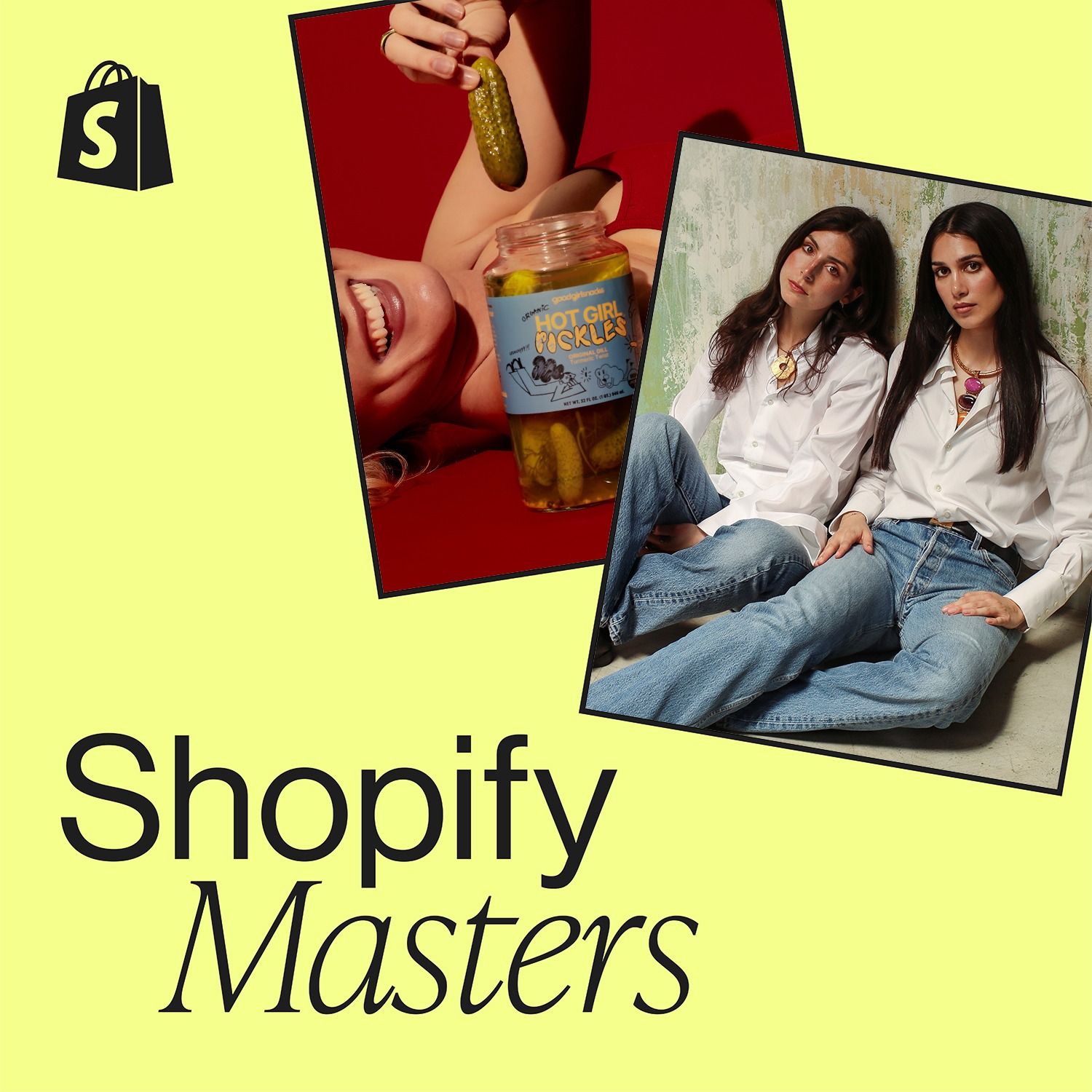
The founders identified a mismatch between the modern, Gen Z pickle consumer on TikTok and the outdated, homogenous branding on store shelves. By targeting a neglected category with bold design and unique flavors, they faced less competition and stood out to both consumers and retail buyers.
Fly By Jing's success didn't just build a brand; it created a new market category. This visibility inspired other founders and signaled to retailers that a demand existed. This demonstrates that forging a new path can create a "rising tide" that grows the entire market, benefiting everyone involved.

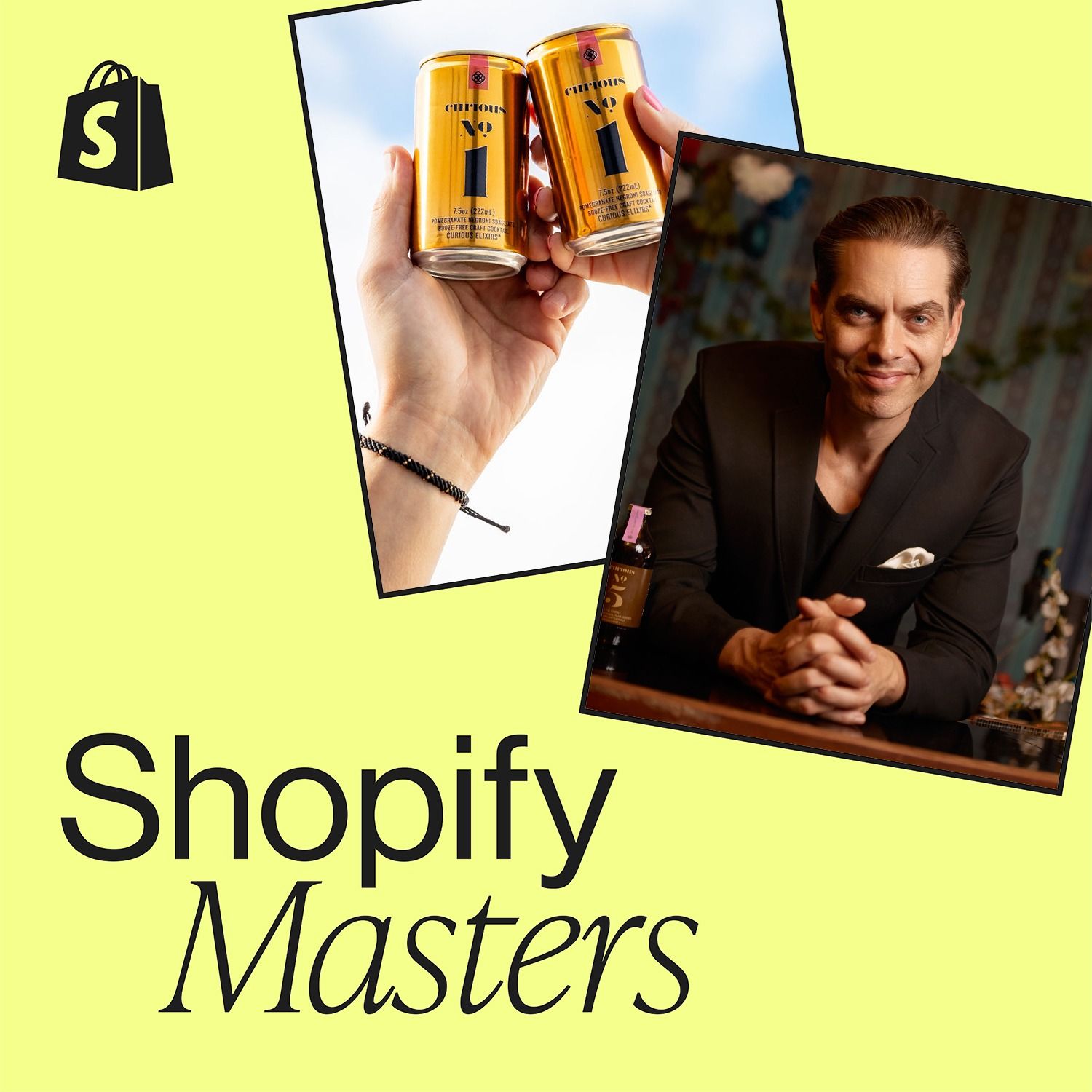
To create its complex non-alcoholic cocktails, Curious Elixirs had to first partner with food scientists to invent foundational ingredients, like non-alcoholic gentian extract, that didn't exist. True category creation required building the supply chain, not just the end product.
While giants like Coke and Pepsi exited the coconut water market after initial hype slowed, Vita Coco persisted. They understood that the 'peak' was not the 'summit,' correctly betting that the product would find new life through recurring trends, such as a pandemic health remedy and a post-pandemic hangover cure.