Get your free personalized podcast brief
We scan new podcasts and send you the top 5 insights daily.
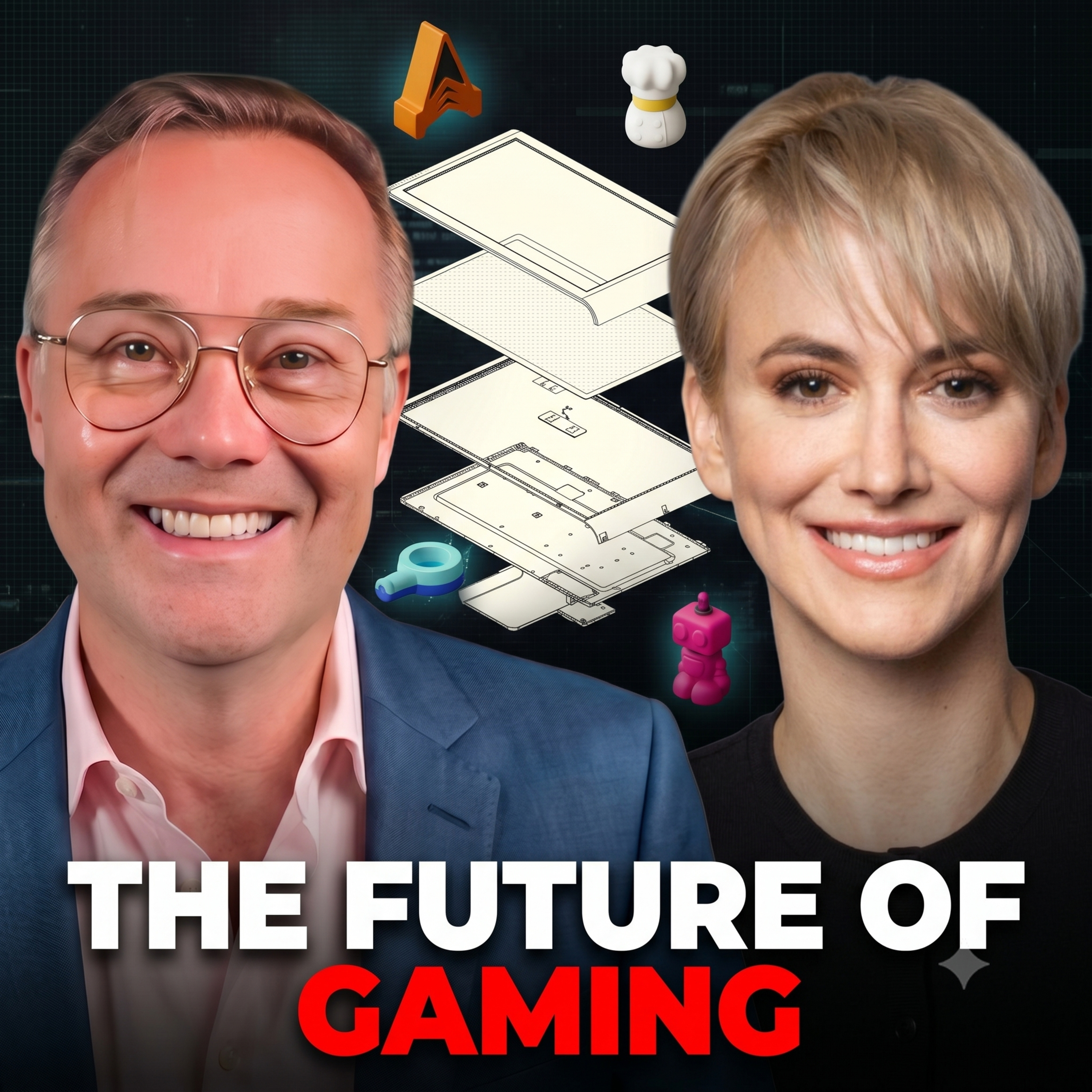
Board's IP strategy, inspired by Monopoly Go, is not to simply port classic games. Instead, they partner with major IP holders to create new, native experiences that leverage the unique capabilities of their physical-digital platform, making the IP feel fresh.
Related Insights
The founder successfully applied the same mental model twice: noticing the absence of an "NBA 2K for VR" and a "Pokémon for VR." This strategy of adapting a proven success from a mature market to a nascent one is a reliable way to find high-potential startup ideas, similar to creating a "Brex for India."

The Disney partnership's primary value for OpenAI isn't the $1 billion investment, but the exclusive license to iconic IP. This provides a significant, albeit temporary, product and distribution advantage, creating unique generative experiences that differentiate ChatGPT from competitors and drive user engagement.
Hasbro liberally licenses IP in markets like China and treats its partners' work as market research. Successful local innovations, like a $400M My Little Pony trading card business, then inform Hasbro's global product strategy.

The team initially saw the large digital game board as the main feature. They later realized the unique, tangible game pieces were the most compelling differentiator from tablets or consoles and pivoted the entire marketing strategy to feature them front and center.
Hasbro is driving record profits by updating its 30- and 50-year-old games like Magic: The Gathering. They launch new editions featuring popular, modern IP like Marvel and Final Fantasy, breathing new life and attracting new audiences to established franchises without the risk of creating new blockbusters from scratch.

Hasbro uses its high-margin digital licensing business (e.g., Monopoly Go) to fund its more speculative, capital-intensive efforts to build in-house AAA game studios. This provides a long runway and de-risks individual game failures.
The success of events like the Daft Punk concert in Fortnite signals a strategic shift. IP holders will launch new brands within games first to build community, then expand to movies or TV. Games are now viewed as the most influential social platforms, not just secondary marketing channels.

LEGO doesn't just co-brand products. Its partnerships with franchises like Star Wars are deeply integrated into its business model, spanning museum exhibits, video games, and special collections, offering a lesson in holistic collaboration that becomes central to the company's strategy.
The longevity of an intellectual property hinges on its ability to transcend its original format. Mickey Mouse became an icon by expanding into film, TV, and theme parks, becoming a multi-dimensional character. In contrast, Beanie Babies remained shelf-bound toys, becoming a fad. Lasting value requires taking risks to expand IP across media.
Board isn't competing with hardcore board games or video games. It's creating a new category for multi-generational family play by removing common friction points like complex rule-learning and skill gaps between players of different ages, making it more accessible.