Get your free personalized podcast brief
We scan new podcasts and send you the top 5 insights daily.
Givaudan operates in 5-year cycles, setting intimidatingly ambitious goals and, crucially, always delivering on them. This practice of publicly committing and consistently executing builds deep internal and external credibility, forcing the organization to stretch beyond its comfort zone and making delivery non-negotiable.

Related Insights
Sustainable growth requires marrying long-term patience with short-term impatience. A grand 10-year vision provides the "serotonin" of purpose, but consistent, 3-month achievements deliver the "dopamine" of progress. This dual focus keeps teams motivated and ensures the long-term plan is grounded in real-world execution.
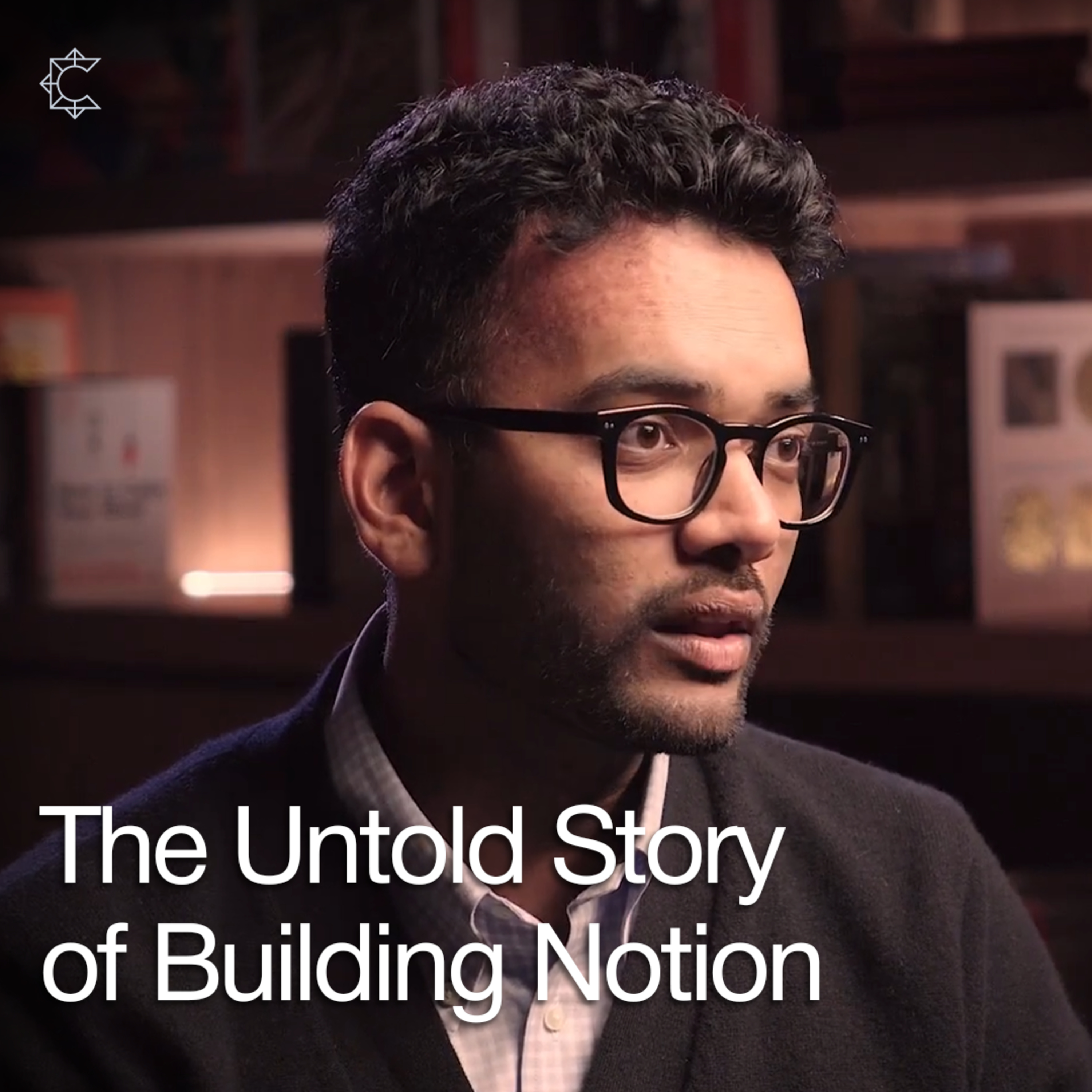
When the industry lost faith in RNAi, Alnylam launched "Alnylam 5x15," a public five-year goal to advance five drugs into the clinic. While it took years to register externally, this bold commitment immediately became a powerful internal rallying cry, injecting hope and focus into the team during a demoralizing period.

To ensure you follow through on major initiatives you might otherwise abandon, announce them publicly to your audience. This "burn the boats" approach creates external pressure and social accountability, making it harder to retreat and forcing you to stay consistent.

Contrary to keeping targets private to avoid failure, entrepreneur Mark Laurie advocates for announcing huge goals publicly. This act forces the team to reverse-engineer a plan, aligns stakeholders on the ultimate prize, and increases the probability of achievement—making the risk of public failure worth it.
Contrary to the idea of a leader imposing their will, Givaudan's CEO attributes his 20-year success to a natural alignment between his personal values and the company's pre-existing culture. This suggests sustainable leadership hinges on authentic cultural resonance, not a top-down transformation.
3G's playbook involves installing a high-urgency culture, typically found in cash-strapped startups, into established companies. This is achieved by hiring people "who want to get everything done yesterday" and creating extreme transparency around ambitious goals, focusing 95% of energy on execution.
![Alex Behring and Daniel Schwartz - Inside 3G Capital - [Invest Like the Best, EP.458] thumbnail](https://megaphone.imgix.net/podcasts/e08d17d8-0630-11f1-900f-af0896d80a14/image/dcbaadaaf3c949d9b9de61e9cbe5c91f.jpg?ixlib=rails-4.3.1&max-w=3000&max-h=3000&fit=crop&auto=format,compress)
A vision should be aspirational to inspire teams. To make it feel achievable, ground it with a product strategy that outlines concrete progress through testable hypotheses each year. The strategy translates the moonshot vision into actionable steps.
After a journalist wrote about Qualtrics turning down $500M, founder Ryan Smith began a practice of "working backwards from the headline." He would ask his team, "What's her next article?" This forced them to set audacious goals that would create a compelling public narrative of growth.

In a highly competitive industry, Givaudan differentiates itself by not just responding to client briefs, but actively co-developing them. By helping clients define consumer targets and product positioning, they transform a potentially transactional sales process into a deep, collaborative partnership from the very beginning.
Balance a multi-decade company vision with an intense, minute-by-minute focus on daily execution. This dual cadence keeps the long-term goal in sight while ensuring relentless forward progress, creating a culture of both ambition and urgency.
