Get your free personalized podcast brief
We scan new podcasts and send you the top 5 insights daily.
Manager Andrew Hall keeps a watchlist of 10-15 "tracker positions" he follows closely, often with small starter investments. This "farm team" approach allows him to stay deeply familiar with companies so he can act decisively and add meaningful capital when the price becomes attractive.
Related Insights
Instead of making large initial bets, a more effective strategy is to take small, "junior varsity" positions. Investors then aggressively ramp up their size only when the thesis begins to demonstrably play out, a method described as "high conviction, inflection investing."

By targeting fewer than one new investment per analyst annually, Eagle Capital's structure forces immense research depth and patience. This contrasts with high-turnover funds and allows the team to marry the intensity of hedge fund research with the patience of a long-only approach.

Many investors wrongly equate high conviction with making a large initial investment. A more evolved approach is to start with smaller at-cost positions, allowing a company's performance to earn its eventual large weighting in the portfolio. This mitigates risk and improves decision-making.

True understanding of a business often comes only after owning it. Taking a small (e.g., 1%) starter position can initiate the research process and shift your perspective from a casual observer to a critical owner, revealing nuances and risks not apparent from the outside.
Company investor relations teams want stable, long-term shareholders. Funds known for 5-10 year holding periods become preferred partners for management, providing deeper insights and a research edge unavailable to short-term hedge funds or index funds.
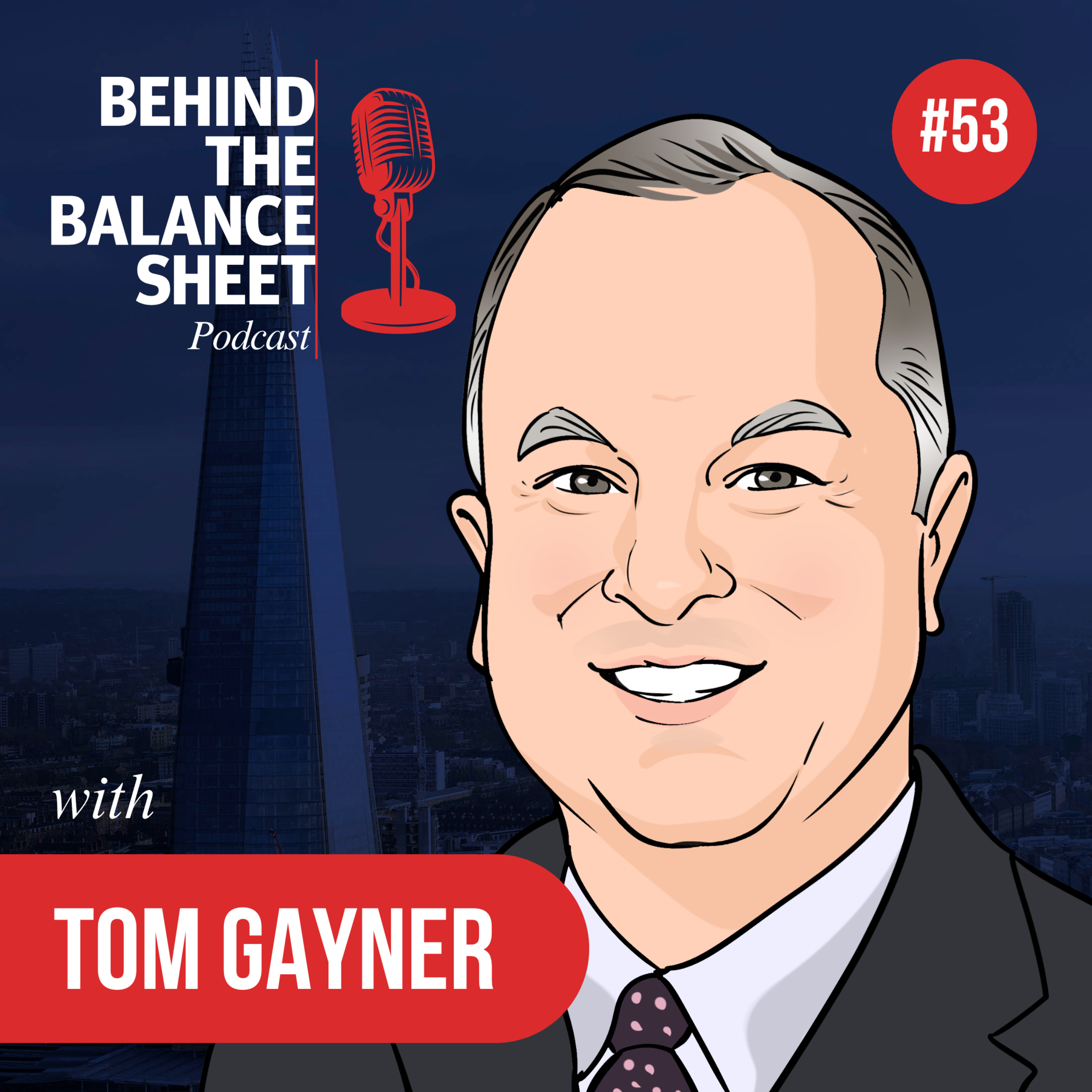
Tom Gaynor holds around 100 small positions not for financial return, but as a "farm system." Owning a small piece forces him to pay closer attention, providing a broad awareness of industries and management teams that informs decisions on his larger, core holdings.
Portfolio manager Eddie Elfenbein seeks an edge by focusing on high-quality but obscure companies, like tow truck or aircraft part manufacturers. With few or no analysts following them, it's easier to understand the business deeply and identify mispricings before the broader market does.
A successful seed fund model is to first build a diversified 'farm team' of 20-25 companies with meaningful initial ownership. Then, after identifying the breakout performers, concentrate heavily by deploying up to 75% of the fund's capital into just 3-5 of them.

Objectively track whether new information strengthens or weakens your belief in each holding on a monthly basis. This simple journaling practice forces a regular review, helping you decide whether to add capital or trim a position based on fundamentals, not share price movement.

Rather than passively holding a stock, the "buy and optimize" strategy involves actively managing its weighting in a portfolio. As a stock becomes more expensive relative to its intrinsic value, the position is trimmed, and when it gets cheaper, it is increased, creating an additional layer of return.