Get your free personalized podcast brief
We scan new podcasts and send you the top 5 insights daily.
The term didn't refer to a unique material but was a brand applied to various textiles. The same fabrics sold as "Kentucky jeans" to other markets were repositioned as "Negro cloth" for slaveholders, defined only by their intended use as "performance wear for slaves."
Related Insights
Historians struggle to find clothing worn by enslaved people because it was used to oblivion. Furthermore, 19th-century institutions had no interest in preserving such items, prioritizing artifacts from powerful figures. This reveals a systemic bias in what a society chooses to archive and remember.
The Blue Back Speller was created to forge a specific white American identity, explicitly excluding Black people. However, enslaved individuals like Frederick Douglass appropriated this tool, transforming it from a symbol of exclusion into a clandestine instrument for their own literacy and freedom.

Manufacturers of plantation goods weren't entirely opposed to the Civil War, partly because they fantasized that 4 million freed Black people would become a massive, liberated consumer market. This reveals a profound and self-serving ignorance of the violent economic oppression that would define the Reconstruction era.
Northern manufacturers gathered feedback from enslaved people on clothing preferences. Slaveholders permitted this not out of humanity, but as a cynical management tactic to quell dissent and increase productivity, treating human beings as an asset to be optimized through product design.
Even if slavery became inefficient for industrial production, its core appeal is its malleability. Throughout history, it has served timeless human desires for sexual exploitation, luxury status symbols (owning people), loyal servants, and even government bureaucrats. This adaptability makes it a threat in any economic system, including modern ones.
Bryan Stevenson argues that beyond the physical brutality, slavery's most damaging legacy is the narrative of racial difference created to allow enslavers to see themselves as moral. This ideology of racial hierarchy persists today, enabling moral disengagement and perpetuating injustice.

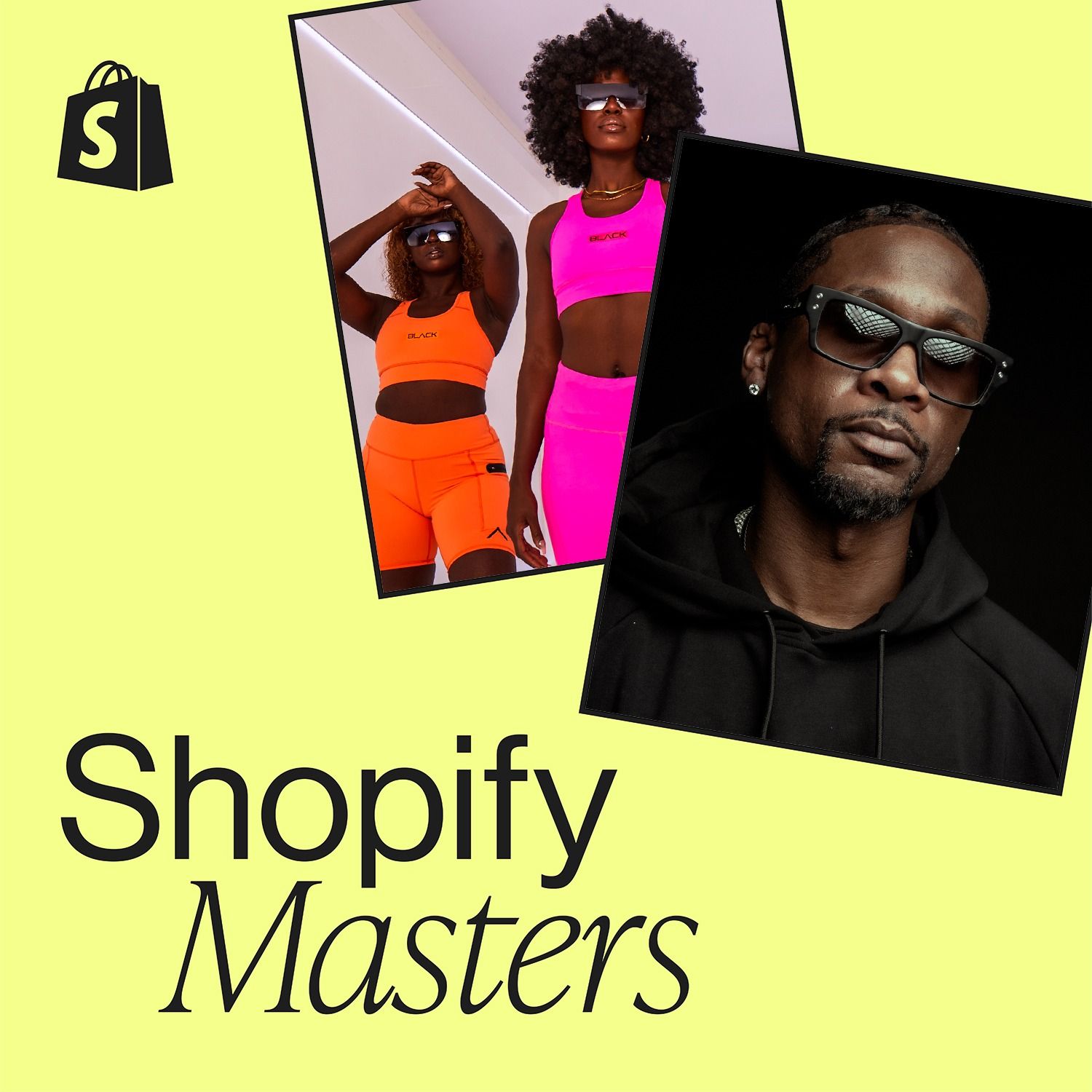
Instead of just reshoring manufacturing, Actively Black partnered with Black-owned cotton farms, transforming a logistical decision into a powerful brand narrative of "reclamation." This turned a product collection into one of their best-sellers, proving that supply chain choices can be a potent marketing tool.
The Hazard brothers, who manufactured cloth for plantations, rationalized their business by viewing themselves as philanthropists. They argued they were elevating their local economy while also "easing the suffering" of enslaved people by providing them with durable clothing, a potent form of moral self-deception.
Actively Black created a powerful brand narrative by building a 'Black owned supply chain,' using cotton from Black farmers for a 'Made in America' collection. This story of economic reclamation resonated so strongly with customers that it became a top-selling product line, proving a meaningful supply chain can be a brand's most compelling feature.

As Northern states abolished slavery, their economies didn't decouple from it. Instead, capital and manufacturing functionally "offshored" the institution, profiting from slave labor in the South just as modern firms exploit permissive labor or environmental laws in other countries.