Get your free personalized podcast brief
We scan new podcasts and send you the top 5 insights daily.
Manufacturers of plantation goods weren't entirely opposed to the Civil War, partly because they fantasized that 4 million freed Black people would become a massive, liberated consumer market. This reveals a profound and self-serving ignorance of the violent economic oppression that would define the Reconstruction era.
Related Insights
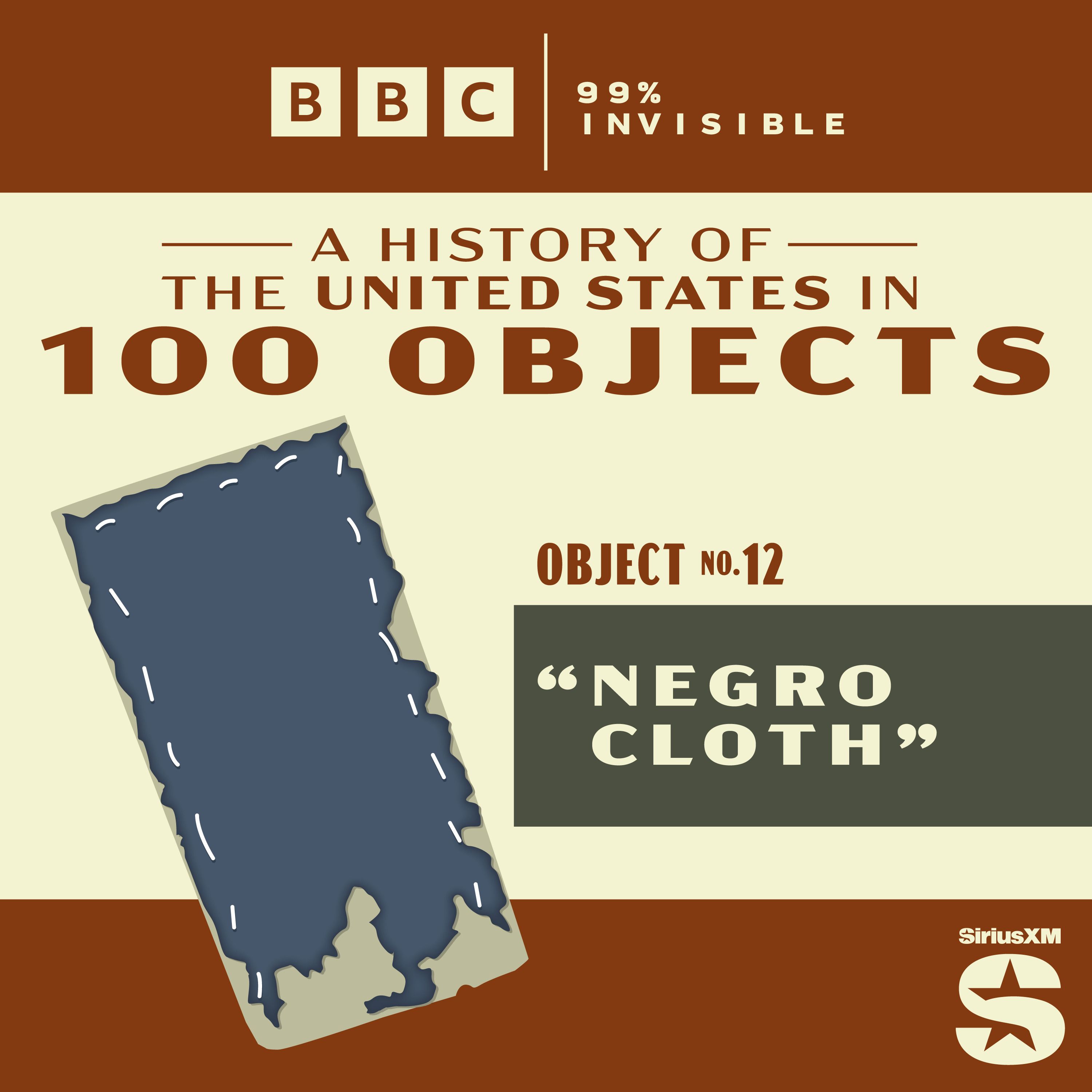
The term didn't refer to a unique material but was a brand applied to various textiles. The same fabrics sold as "Kentucky jeans" to other markets were repositioned as "Negro cloth" for slaveholders, defined only by their intended use as "performance wear for slaves."
Anti-slavery movements thrived in 'societies with slaves,' like Pennsylvania, rather than 'slave societies,' like Barbados. In Pennsylvania, slavery existed, so people were confronted with its morality, but the economy wasn't dependent on it. This allowed for questioning without risking the collapse of the entire socio-economic order.
The proclamation was not just a moral act but a calculated strategy. By making the war explicitly about ending slavery, Lincoln made it politically impossible for abolitionist nations like Great Britain to support the Confederacy, cutting off their resources.

Northern manufacturers gathered feedback from enslaved people on clothing preferences. Slaveholders permitted this not out of humanity, but as a cynical management tactic to quell dissent and increase productivity, treating human beings as an asset to be optimized through product design.
Klan terrorism was a calculated political strategy. By creating persistent violence and chaos, white Southern Democrats aimed to exhaust the North's will to enforce Reconstruction. They correctly gambled that Northerners would eventually tire of the costly project and withdraw federal power.

The key insight isn't just that the North was complicit in slavery. A deeper understanding comes from examining the psychological and social mechanisms people used to justify their participation—a lens for viewing our own modern economic entanglements and ethical compromises.
The morning after being freed in the Combahee River Raid, 150 men immediately enlisted in the Union Army. This demonstrates a rapid shift from being subjects of liberation to active agents in the fight for others' freedom, challenging passive victim narratives.

The Hazard brothers, who manufactured cloth for plantations, rationalized their business by viewing themselves as philanthropists. They argued they were elevating their local economy while also "easing the suffering" of enslaved people by providing them with durable clothing, a potent form of moral self-deception.
The common theory that slavery ended because it became economically inefficient is a myth. Economic historians argue that, absent political intervention, the slave economies of the British Empire would have continued to thrive well into the 19th century. Slaveholding societies never voluntarily gave up the practice because it was unprofitable.
As Northern states abolished slavery, their economies didn't decouple from it. Instead, capital and manufacturing functionally "offshored" the institution, profiting from slave labor in the South just as modern firms exploit permissive labor or environmental laws in other countries.