Get your free personalized podcast brief
We scan new podcasts and send you the top 5 insights daily.
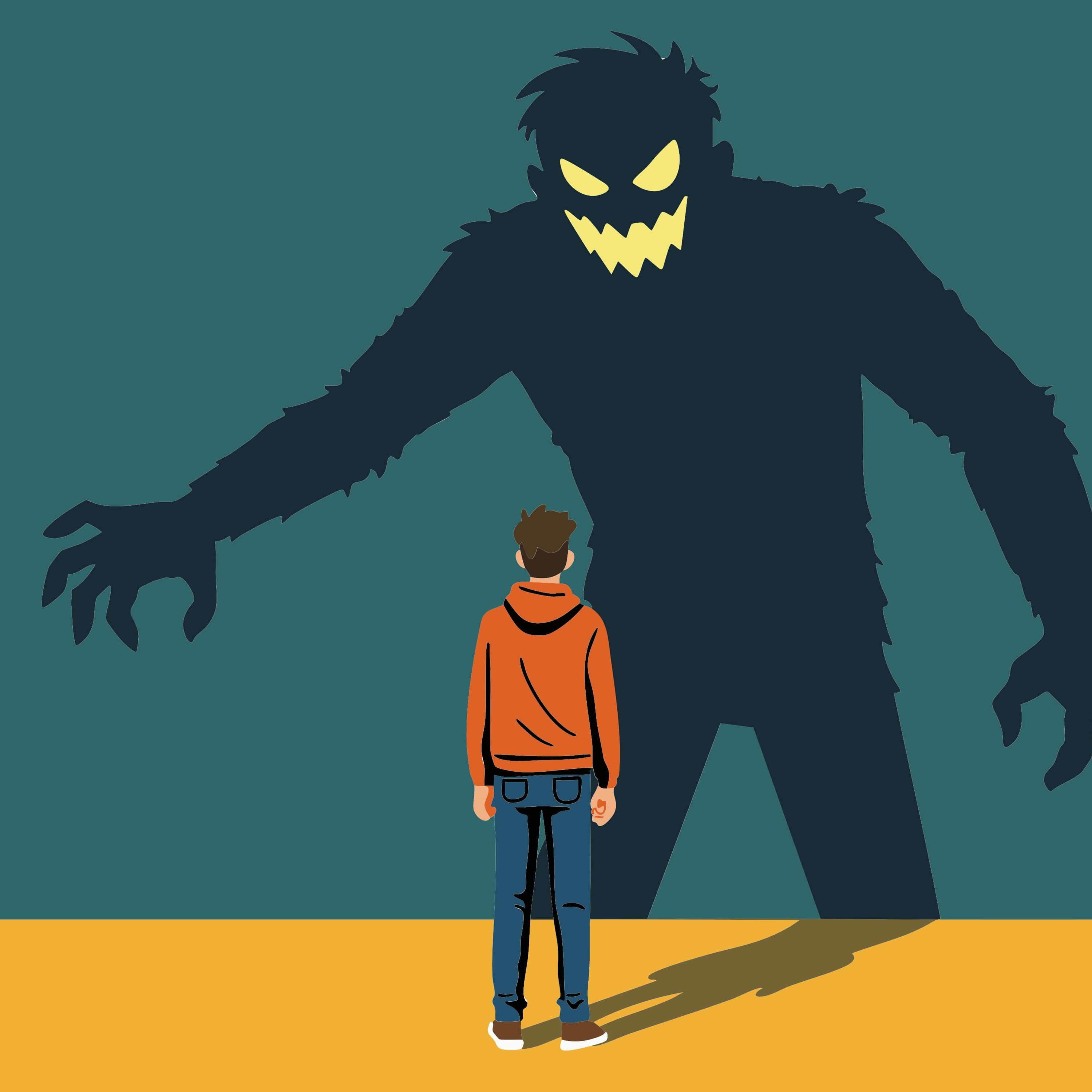
Contrary to the belief that big B2B decisions are purely rational, they are more susceptible to biases. With infrequent, high-stakes purchases like enterprise software, decision-makers face greater uncertainty and are more likely to rely on mental shortcuts and biases like social proof.

Related Insights
When faced with a decision we lack technical expertise for, like buying a used car, our brains substitute a simpler question: "Do I trust the person selling it?" The seller's character heavily influences our valuation of the asset, often more than a technical inspection.

The need for emotional connection isn't limited to consumer products. All software is used by humans whose expectations are set by the best B2C experiences. Even enterprise products must honor user emotions to succeed, a concept termed 'Business to Human'.

Startup founders often sell visionary upside, but the majority of customers—especially in enterprise—purchase products to avoid pain or reduce risk (e.g., missing revenue targets). GTM messaging should pivot from the "art of the possible" to risk mitigation to resonate more effectively with buyers.
Post-mortems of bad investments reveal the cause is never a calculation error but always a psychological bias or emotional trap. Sequoia catalogs ~40 of these, including failing to separate the emotional 'thrill of the chase' from the clinical, objective assessment required for sound decision-making.

Modern B2B buyers, particularly from younger generations, make decisions based on a company's values, not just its product features. They actively choose brands that demonstrate clear stances on ethics, inclusion, and transparency. A purpose-driven brand becomes memorable and builds trust in a crowded market.

Generic social proof like "1 million customers" is minimally effective. The key is to tailor the message to the user's identity. We are most influenced by people like ourselves, so messages like "other doctors in Sydney" or "your neighbors" have a much stronger impact.
The biggest obstacle today isn't a "no," but "indecision" driven by risk aversion. Aggressive tactics can backfire by increasing fear. A salesperson's job is to reduce the perceived risk of a decision, not apply more pressure to close the deal.

Professionals use sophisticated consumer apps like Nest and Ring at home, creating a powerful psychological contrast with their clunky work software. Startups can win by delivering a consumer-grade experience, which makes the product feel modern and intuitively superior to legacy enterprise tools.
Enterprise buyers purchase tools like Slack because employees love using them, not based on clear ROI. This presents a major adoption hurdle for non-viral, single-player products like enterprise search, which must find creative ways to generate widespread user adoption and love.

Humans are heavily influenced by what others do, even when they consciously deny it. In a California study, homeowners' energy usage was most strongly predicted by their neighbors' habits. However, when surveyed, these same residents ranked social influence as the least important factor in their decisions, revealing a powerful disconnect between our perceived autonomy and actual behavior.