Get your free personalized podcast brief
We scan new podcasts and send you the top 5 insights daily.
Shapiro outlines a platform for Democrats centered on education, safety, economic opportunity, and freedom. He argues the Republican party has abandoned freedom by telling people what books to read and what healthcare women can access, framing the Democratic party as the true defender of personal liberty.

Related Insights
Senator Bernie Sanders argues the Democratic party, once the party of the working class, began courting wealthy donors in the 1970s. This strategic shift led them to neglect core economic issues, causing their traditional base to feel alienated and vote for candidates like Donald Trump.
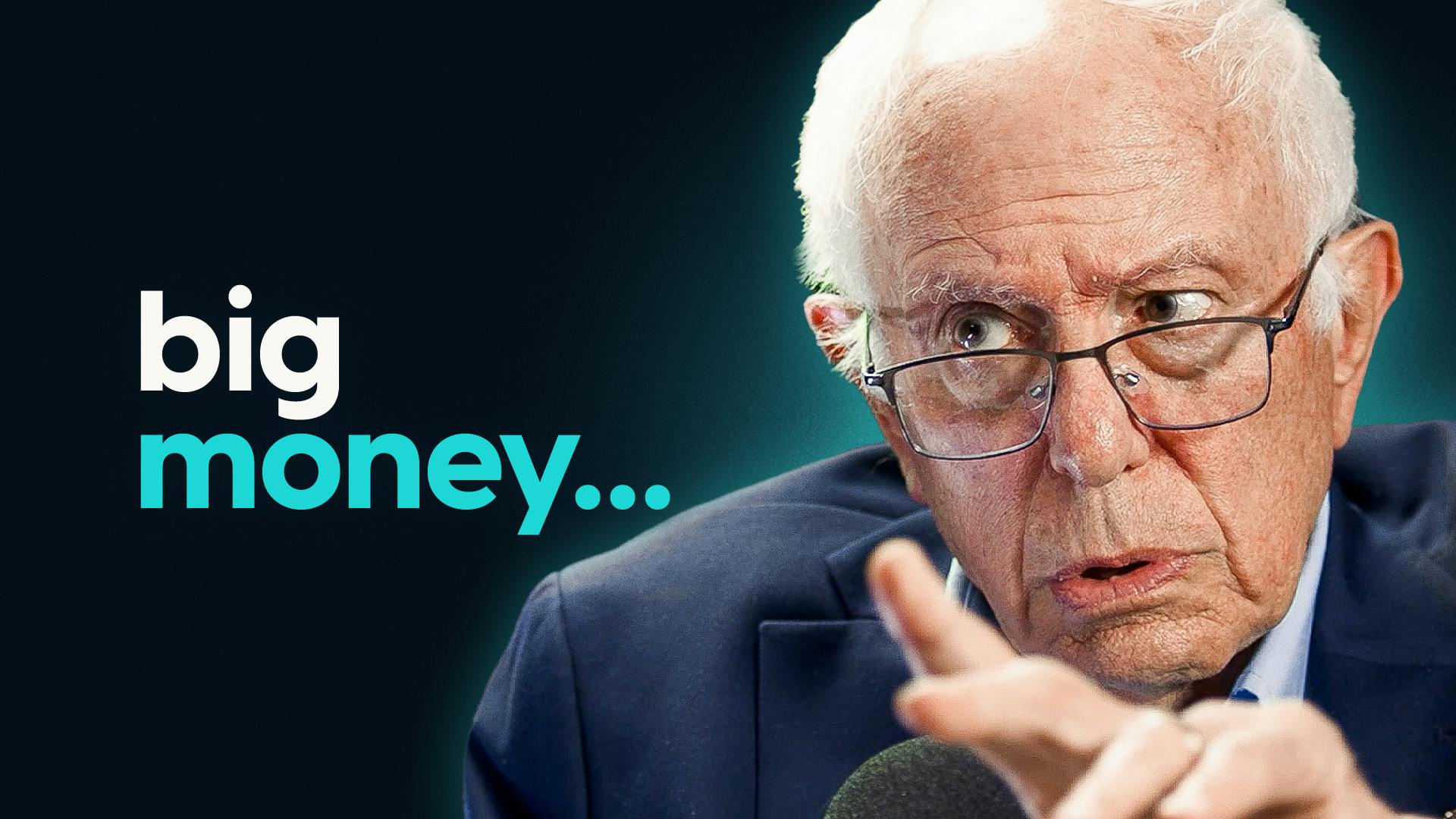
Political messaging that separates economic issues (like grocery prices) from the fight for democracy is ineffective. Leaders should instead argue that protecting democracy is the only way to ensure economic stability and prevent servitude to oligarchs, a strategy used by Lincoln and FDR.

Governor Tim Walz argues the Democratic Party is a 'prisoner to norms,' relying on 'strongly worded letters' while voters crave tangible results. To re-energize its base, the party must be willing to break conventions to deliver significant, life-improving policies like universal healthcare, connecting votes directly to positive outcomes.

Shapiro rejects the idea that fighting waste and fraud is solely a Republican issue. As both Attorney General and Governor, he has aggressively prosecuted Medicaid and PPP loan fraud, arguing that ensuring taxpayer dollars reach their intended purpose is a core tenet of good governance for any party.
Political messaging focused on 'equity' and villainizing wealth often backfires. Most voters don't begrudge success; they want access to economic opportunity for themselves and their families. A winning platform focuses on enabling personal advancement and a fair shot, not on what is described as a 'patronizing' class warfare narrative.
Shapiro, who is Jewish, insists on two distinct conversations. He argues for zero nuance in universally condemning antisemitism from any political source. Simultaneously, he believes there must be space for nuanced, critical debate about the policies of the Israeli government, which he has personally criticized.
The debate over government's size can be framed using political philosophy. 'Negative freedom' is freedom *from* state interference (e.g., censorship). 'Positive freedom' is the capability to achieve one's potential, requiring state support for basics like education and health to enable true flourishing.

Talarico's victory speech explicitly targeted the "unchecked power" of billionaires, framing the political battle around economic inequality. This class-focused messaging shows a path for Democrats to energize voters and win in states like Texas.
Facing a divided legislature, Governor Shapiro's governing philosophy is to find common ground. He describes identifying the 3-4 issues he and Republicans can agree on out of 10, and prioritizing progress on those common goals rather than getting stuck in conflict over their many differences.
A new dynamic in the assisted dying debate involves the Democratic party strategically reframing the issue. Instead of a narrow medical or ethical question, they are positioning it as a fundamental "individual right," linking it to other core party values like reproductive and labor rights, thereby broadening its appeal and political momentum.