Get your free personalized podcast brief
We scan new podcasts and send you the top 5 insights daily.
Unlike a short vacation, a 3-4 week mini-retirement forces you to proactively fix systems, automate, and eliminate tasks before you go. This "controlled burn" prevents future crises and gives you the critical distance needed to evaluate your business and life with fresh eyes upon your return.

Related Insights
When facing major life changes like a new child or a demanding job, the solution isn't to "hustle harder." Instead, successful founders intentionally pause large, demanding projects (like a new SaaS) and switch to smaller, "step one" businesses or maintenance mode. This preserves momentum without causing burnout.

A mini-retirement should be a structured opportunity for rapid skill acquisition, not just an escape. By immersing in a new environment to learn a language and a physical skill (e.g., tango, martial arts), you create an external focus that combats idleness and accelerates personal growth.
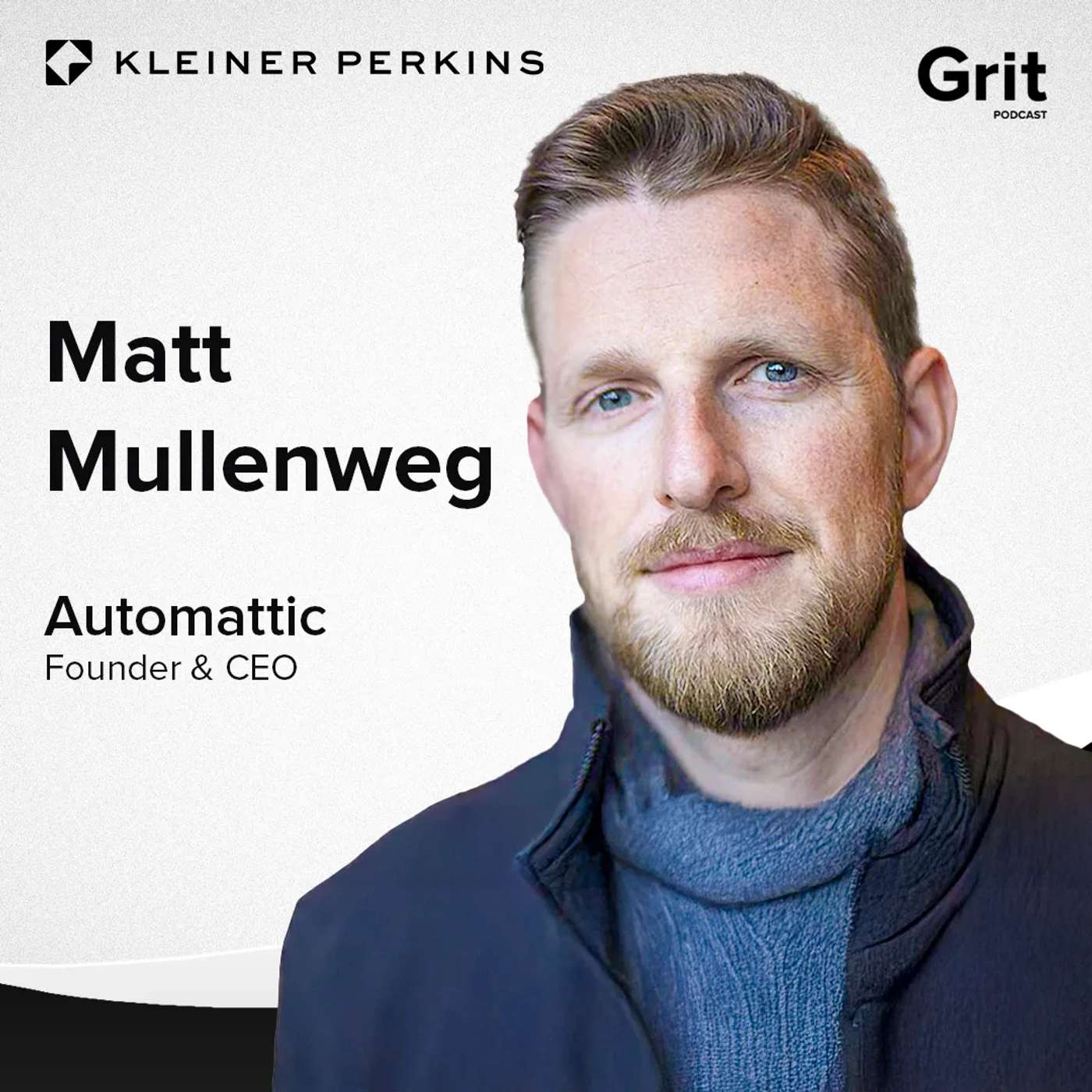
Automattic's mandatory 2-3 month sabbaticals are a strategic tool for organizational health. The prolonged absence of key people forces the company to eliminate single points of failure and develop new leaders, making the organization "infinitely more resilient and adaptable."
High-achievers fear sabbaticals will cause them to lose career momentum. In reality, a true break does more than recharge you—it installs a brand-new 'battery.' This leads to a profound reset, sparking greater creativity and more impactful work upon return.

Stepping back from a core, revenue-generating part of your business isn't a failure; it's the purest proof that the systems, funnels, and evergreen content you've built actually work. This act demonstrates that the business can sustain itself, validating the very principles of automation and delegation you teach.

Regularly placing yourself in a completely different environment isn't just a vacation; it's a strategic "hard reset." It provides critical perspective on your business, breaks unproductive daily routines, and fosters a sense of gratitude that can lead to significant personal and professional breakthroughs.

A sabbatical shouldn't just be about resting before returning to the same routine. It is a chance for a fundamental system update, to replace old mindsets, relationships, and operational habits rather than just recharging for another round.
If your business stops the moment you do, burnout is an inevitable outcome of a flawed model. Use this exhaustion as a signal to build systems, delegate, or create passive income streams. This shifts the focus from personal endurance to creating a sustainable enterprise that can function without your constant presence.

Ferriss recommends a yearly four-week, completely offline "mini-retirement." It is not just for rest; it is a forcing function. To prepare for your absence, you must create better systems and autonomous decision-making guidelines for your team. These process improvements endure long after you return, making the business stronger.

Don't wait for exhaustion to force a break. Burnout recovery is long and often incomplete; one study showed only 16% of people fully recovered seven years later. It's far more effective to make proactive, meaningful shifts in your work cadence and recovery practices long before reaching a state of collapse.
