Get your free personalized podcast brief
We scan new podcasts and send you the top 5 insights daily.
PIMCO distinguishes between risk (a known distribution of outcomes) and uncertainty (an unknown distribution). The software sector faces uncertainty from AI disruption, making it impossible to assign a terminal value to businesses and trapping them in a valuation limbo that paralyzes investment.

Related Insights
For the first time, the high-multiple software industry faces a potential existential threat from AI. Even the possibility of disruption is enough to compress valuations, causing massive dispersion where indices look calm but underlying sectors are experiencing extreme rotation.

The "SaaS-pocalypse" isn't about AI replacing software overnight. Instead, AI's disruptive potential erases the decades-long growth certainty that justified high SaaS valuations. Investors are punishing this newfound unpredictability of future cash flows, regardless of current performance.

The recent software stock drawdown is not about poor current performance; many companies are still beating earnings. Instead, the market is pricing in a massive "terminal value risk" from AI, valuing companies as if they will decline in perpetuity, creating a historic disconnect between current fundamentals and long-term valuation.

The downturn in software stocks isn't tied to current earnings. Instead, investors are repricing the entire sector, removing the premium they once paid for its perceived safety and stable, long-term contracts, which are now threatened by AI disruption.
Unlike previous tech shifts like cloud, AI is so disruptive that it creates a viable narrative for how incumbents could either massively win or be completely displaced. This complicates investment decisions across the software sector, as both optimistic and pessimistic outcomes are highly plausible.

The traditional software buyout playbook relies on a stable terminal value multiple for exits. However, AI's ability to make existing code obsolete means long-term free cash flow projections are no longer reliable, rendering the leverage-based PE model fundamentally flawed.
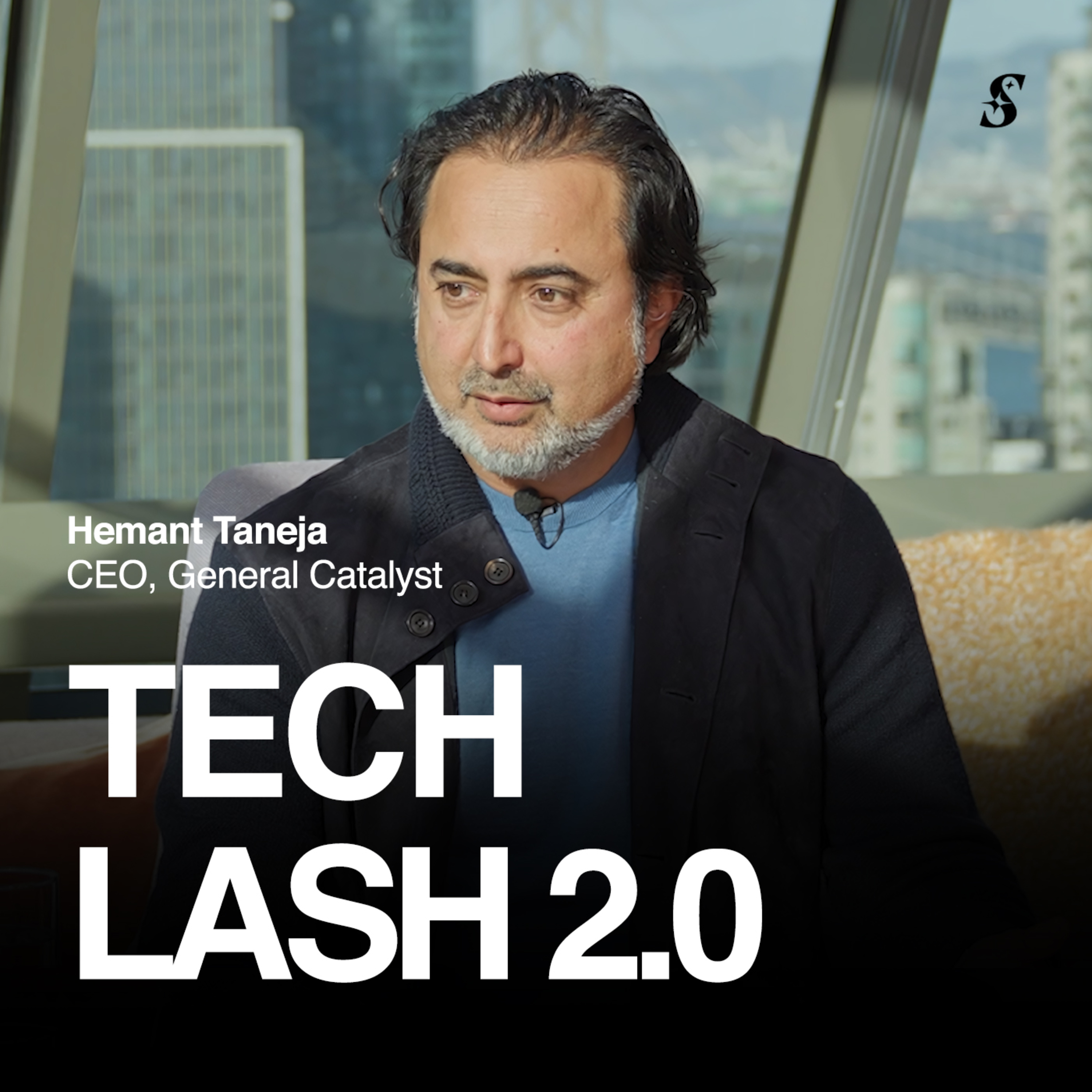
The recent $300B SaaS stock sell-off wasn't driven by current performance. Investors are repricing stocks based on deep uncertainty about whether legacy software companies or AI-native firms will capture the value of automating human labor in the next 3-5 years.

Investor uncertainty about the long-term viability of software business models due to AI is causing a fundamental shift in valuation. Instead of paying a premium for future growth, investors are now demanding immediate returns like dividends, effectively treating established software firms as value stocks rather than growth stocks.

The recent software stock sell-off is rooted in investors' inability to confidently price long-term growth (terminal value). While near-term earnings might be strong, the uncertainty of future business models due to AI is causing a fundamental reassessment of what these companies are worth.

The perception of SaaS businesses as predictable, annuity-like investments is dead. AI introduces fundamental unknowns about growth, pricing, and market structure, breaking the old valuation models based on ARR and Net Dollar Retention.
