Get your free personalized podcast brief
We scan new podcasts and send you the top 5 insights daily.
The near-failure of Cape Cod Potato Chips was reversed when a car crashed through the storefront. The resulting newspaper coverage provided enough publicity to attract customers and survive, demonstrating how unexpected events can become powerful, free marketing.

Related Insights
The CEO's awkward, tiny bite of a new burger went viral for its lack of authenticity, initially sparking mockery. However, by leaning into the meme and prompting competitors to respond, McDonald's turned a PR failure into an organic marketing campaign that generated widespread conversation and purchase intent for the product.

Faced with 10,000 misprinted boxes, the company embraced the error instead of absorbing the cost. They launched a limited "Whoops Edition" with a campaign celebrating failure. This turned a potential financial loss into a PR win and a sales success, humanizing the brand.

Adam Wathan's impromptu podcast episode explaining Tailwind's layoffs went viral, leading to a massive influx of corporate sponsorships. This demonstrates how radical transparency and vulnerability can create a powerful "luck surface area," turning a business crisis into a financial lifeline from the community.

After thieves stole a truck with 12 metric tons of KitKats, Nestlé and other brands immediately used humor on social media to turn the event into a viral marketing moment. This approach transforms a potentially embarrassing incident into positive brand engagement.

When Richard Branson's hot air balloon crashed trying to cross the Atlantic, he viewed it as a superior marketing event. The story had tension, high stakes, and a memorable visual of the "Virgin" logo sinking. This illustrates that stories of struggle and failure are often more engaging and human than simple success narratives.

Instead of hiding operational failures like 200 broken PR boxes, the founders create content about them. This authentic, "warts-and-all" approach builds community trust and often results in viral videos, turning a negative into a brand-building positive.
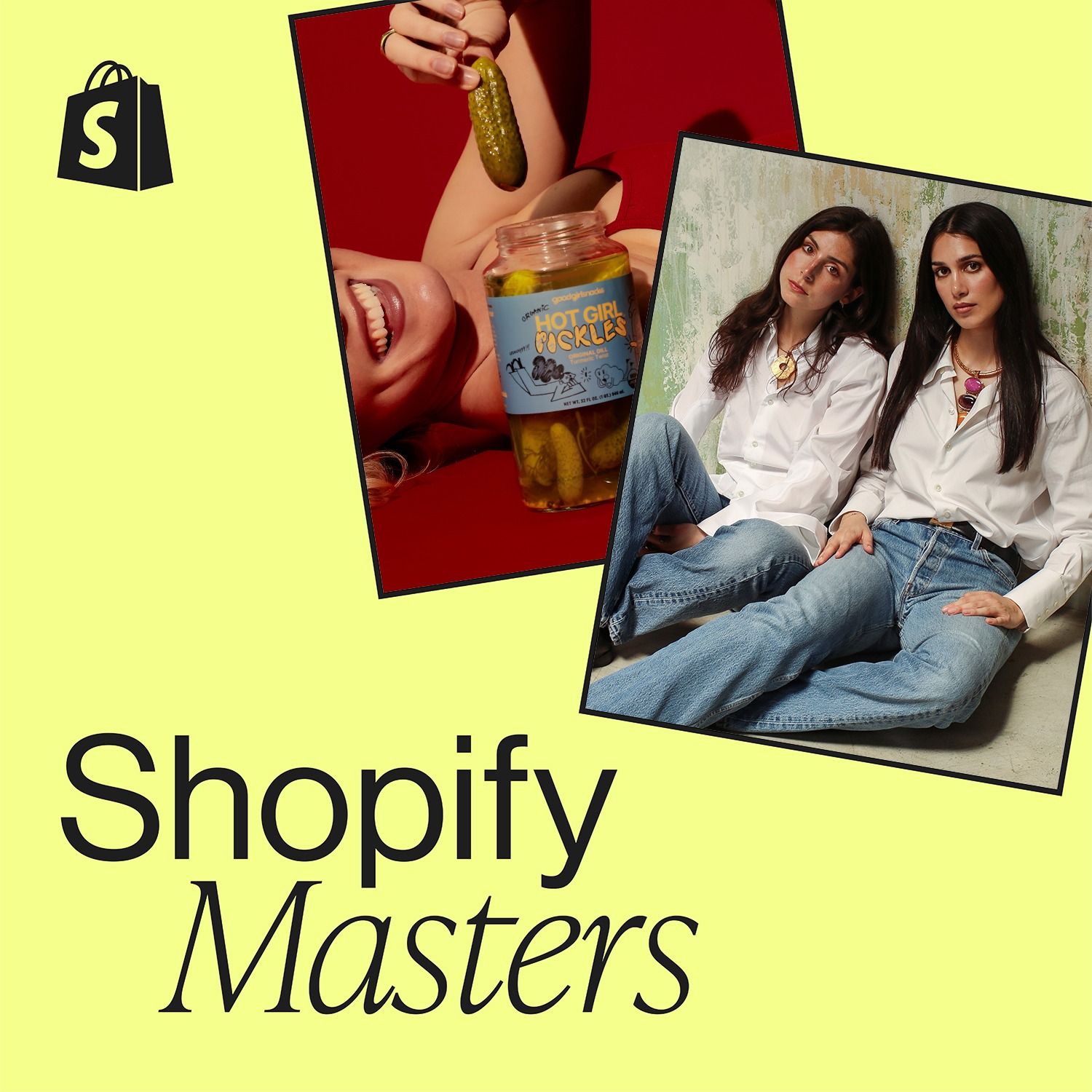
Following a devastating product recall and contract loss, Cameron Healy was deeply depressed. A serious car accident, from which his family emerged unharmed, served as a powerful "wake-up call," jolting him out of his despondency and renewing his determination to save the business.
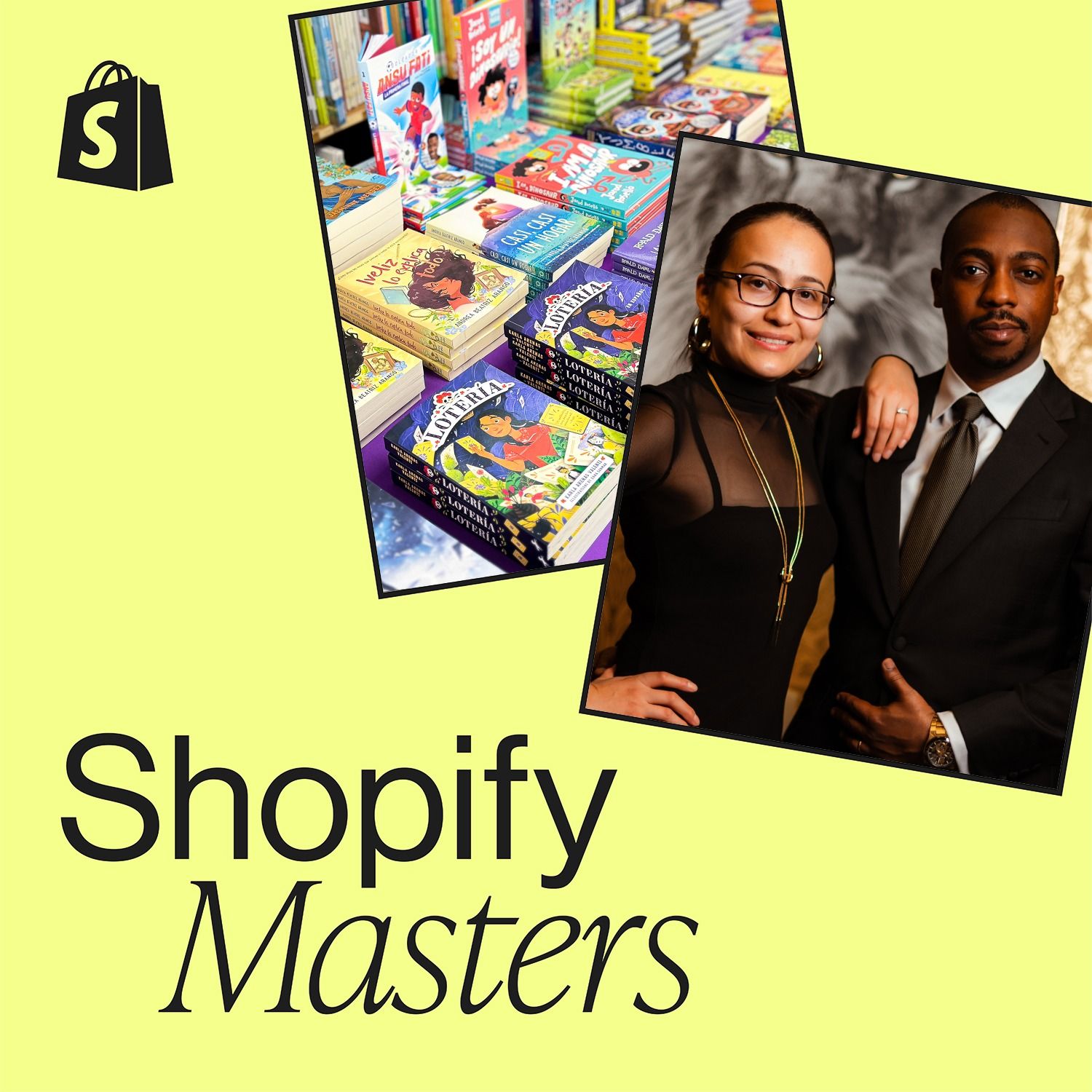
The founders of Miha Books consider their year-long retail lease a financial failure. However, the store generated significant press coverage and social proof ('as seen on'), which they now view as a valuable, albeit expensive, marketing asset that legitimized their brand and led to future opportunities.
Iconic campaigns like the Dulux dog were accidental. Marketing success isn't about perfectly engineered plans, but about increasing exposure to "upside good fortune" and having the skill to recognize and double down on a lucky break when it happens.
Nestle's response to a massive Kit Kat theft exemplifies a new public relations playbook. By using self-deprecating humor and leaning into the absurdity, the company transformed a potentially embarrassing crime into a viral meme. This strategy encourages other brands to participate, generating widespread, positive brand awareness from a negative event.